Battle River
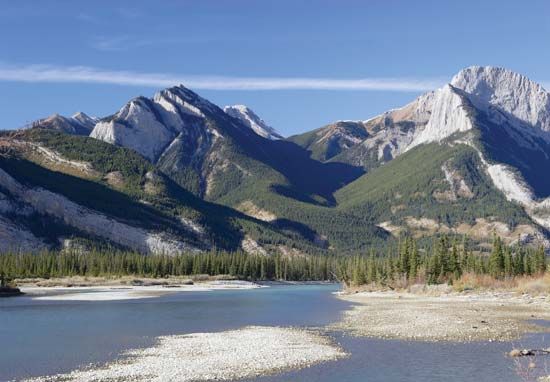
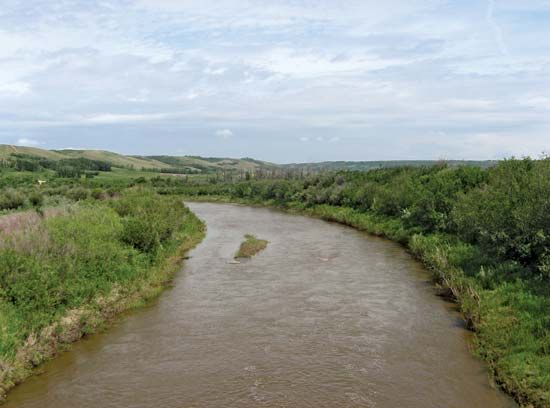
The Battle River is a river located in central Alberta and Saskatchewan, Canada, serving as the largest tributary of the North Saskatchewan River.
What is Battle River?
The Battle River is a river located in central Alberta and Saskatchewan, Canada, serving as the largest tributary of the North Saskatchewan River.1
Rising in Battle and Pigeon lakes southwest of Edmonton, the river flows eastward for over 350 miles through a region characterized by farming and oil production. It eventually joins the North Saskatchewan River opposite the city of North Battleford, Saskatchewan. The river derives its name from the historical conflicts that occurred along its banks between the Cree and Blackfoot peoples.1
How did the Cree and Blackfoot nations shape the history of this region?
The Cree and Blackfoot nations were central to the history of the Canadian Plains, shaping the region through periods of intense conflict, strategic alliance, and shared struggle against colonial expansion.
Conflict and Expansion
In the 18th and 19th centuries, the Plains Cree expanded their territory significantly after acquiring horses and firearms, leading to frequent warfare with neighboring groups, including the Blackfoot. The Battle River is famously named for the many battles fought between these two nations along its banks.13
Crisis and Cooperation
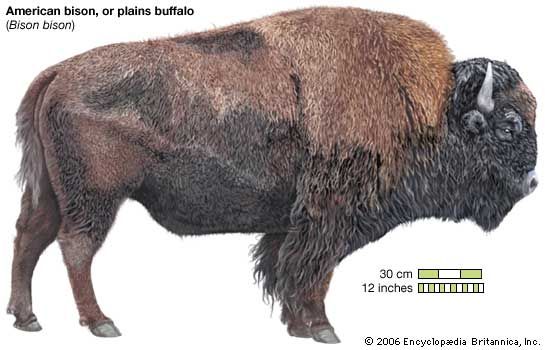
By the late 1870s, both nations faced a catastrophic collapse of the bison population, which was essential to their survival. In response to this existential threat and the encroachment of settlers, Cree leader Big Bear and Blackfoot chief Crowfoot founded an aboriginal confederacy in 1880 to address their people’s grievances.45
Despite their history of rivalry, these leaders recognized the necessity of unity. During the 1885 crisis, Big Bear and the Cree leader Poundmaker actively worked to prevent violence, successfully interceding to save the lives of settlers and police officers during skirmishes. Ultimately, however, the Canadian government’s policy of withholding food and its aggressive pursuit of the Numbered Treaties led to the erosion of Indigenous autonomy and the completion of colonial conquest in the region.5
What role does the North Saskatchewan River play in the Canadian landscape?
The North Saskatchewan River is a vital component of the Canadian landscape, serving as one of the two primary headstreams of the Saskatchewan River system. Rising in the Canadian Rockies of western Alberta, it flows eastward for approximately 800 miles before uniting with the South Saskatchewan River east of Prince Albert, Saskatchewan.2
Historically, the river was a crucial fur-trading route following its exploration by Henry Kelsey in 1690. While it is now of limited navigational value, it remains essential to the region’s infrastructure and economy. The river and its tributaries, such as the Battle River, support major urban centers, including Edmonton, and are widely utilized for hydroelectric power and irrigation to sustain agricultural development.2
As a major drainage artery, the river system reflects the broader environmental health of the provinces it traverses. Its basin is subject to the impacts of upstream development, including agricultural runoff and industrial activity, which influence the water quality and ecological stability of the surrounding regions.27
How do rivers in Canada support local farming and oil production?
Rivers in Canada are essential to both the agricultural and energy sectors, though their roles and impacts differ significantly.
Agricultural Support
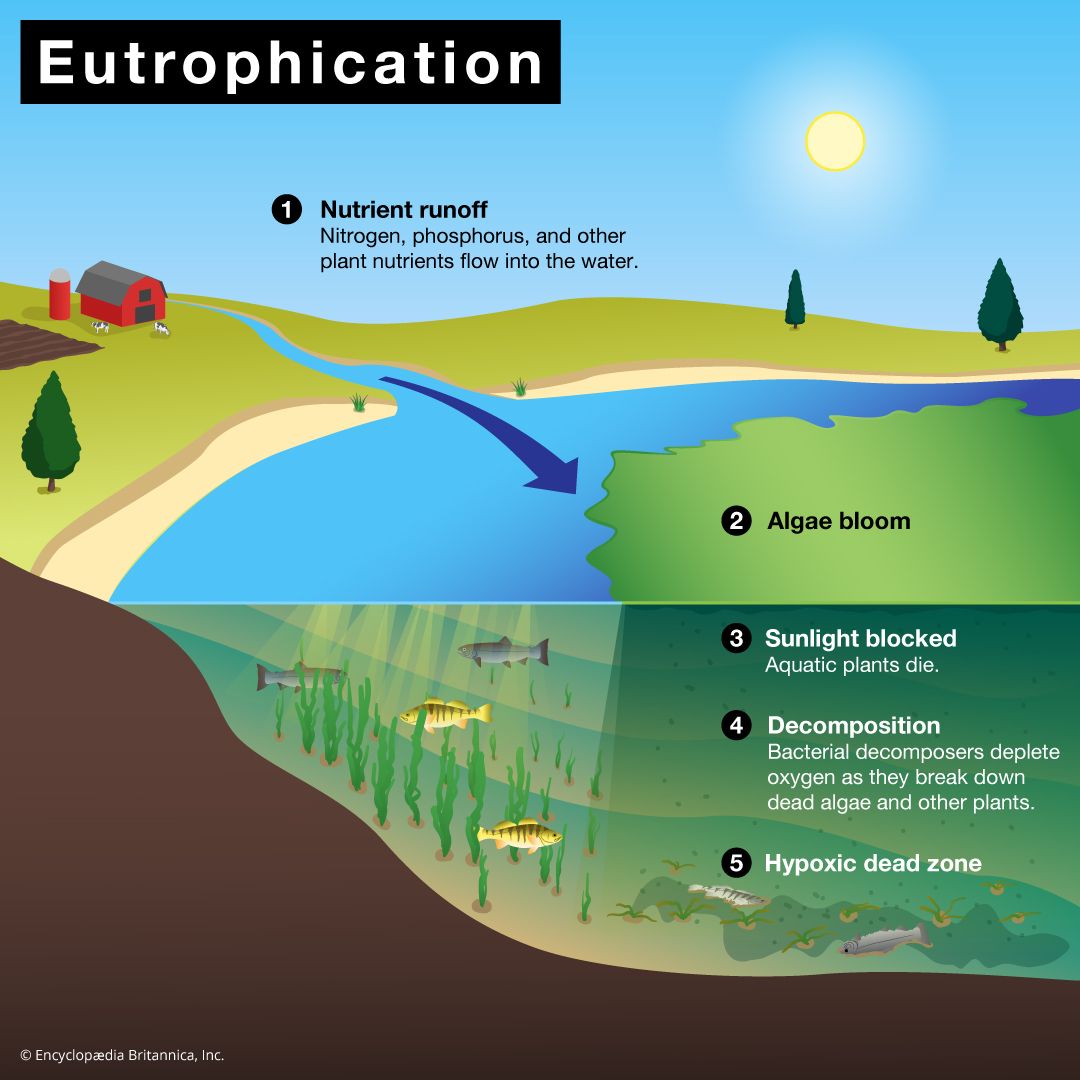
Canadian rivers are vital for irrigation, which sustains large-scale farming, particularly in the prairie provinces. For example, the Saskatchewan River basin contains Canada’s largest irrigation district, covering over 1,000,000 acres. While these water systems are critical for crop production, their use can lead to environmental challenges. The heavy application of fertilizers, such as phosphates and nitrates, can result in nutrient runoff that causes eutrophication in rivers, potentially degrading water quality and harming aquatic ecosystems.29
Oil Production and Industrial Use
Rivers play a complex role in Canada’s oil industry. In regions like the Athabasca River valley, rivers are geographically linked to the extraction of tar sands, which are a major source of synthetic crude oil. Furthermore, industrial facilities, including oil refineries and nuclear power plants, utilize large quantities of river water for cooling processes.109
However, this industrial reliance often comes at an ecological cost. Returning water to rivers at elevated temperatures—known as thermal pollution—can disrupt local ecology and harm fish populations. Additionally, the potential for chemical contamination remains a significant concern for the long-term health of these waterways.9
Sources
- Battle River — Encyclopædia Britannica
- Saskatchewan River — Encyclopædia Britannica
- North-West Rebellion - Disaffected peoples — Encyclopædia Britannica
- Native American - The Numbered Treaties and the Second Riel Rebellion — Encyclopædia Britannica
- Cree — Encyclopædia Britannica
- Sarcee — Encyclopædia Britannica
- Saskatchewan - Drainage — Encyclopædia Britannica
- Saskatchewan - Pollution — Encyclopædia Britannica
- North America - Hydroelectricity of North America — Encyclopædia Britannica
- river - Environmental problems attendant on river use — Encyclopædia Britannica
- Canada - Drainage of Canada — Encyclopædia Britannica
- Alberta - Resources and power — Encyclopædia Britannica
- tar sand — Encyclopædia Britannica
Published on · 3 min read