Bay Tree
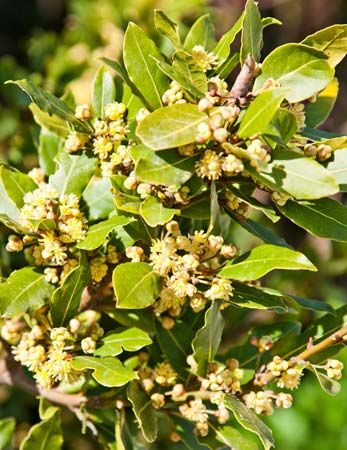
The term "bay tree" refers to several distinct species of trees characterized by their aromatic leaves. The most prominent is the sweet bay, or bay laurel…
What is bay tree?
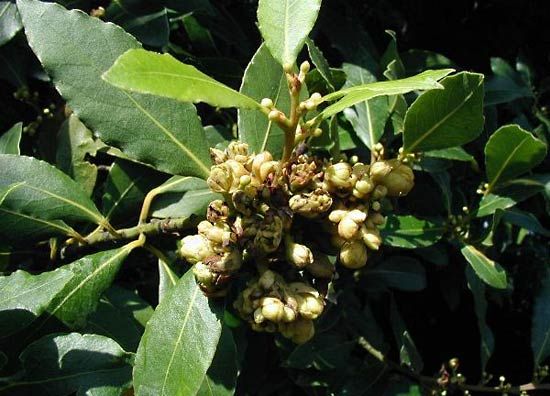
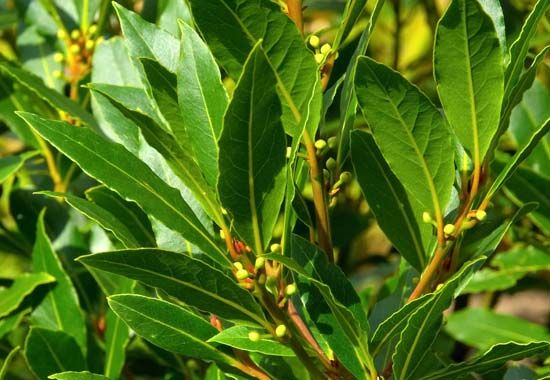
The term “bay tree” refers to several distinct species of trees characterized by their aromatic leaves. The most prominent is the sweet bay, or bay laurel (Laurus nobilis), an evergreen native to the Mediterranean region. This species is the source of the bay leaf, a popular culinary spice used to flavor stews, fish, and marinades. Historically, its leaves were used to create wreaths for victorious athletes in ancient Greece3.123
Other trees also share the name “bay tree,” including:
- California laurel (Umbellularia californica): An ornamental tree.1
- Bay rum tree (Pimenta racemosa): A member of the Myrtaceae family whose leaves and twigs are distilled to produce oil of bay, used in perfumery and the preparation of bay rum.1
While Laurus nobilis is widely recognized for its culinary and traditional medicinal applications, it is important to note that unrelated plants sometimes called “bay” may not provide the same flavor profile or properties.3
Why were laurel wreaths significant in ancient Greece?
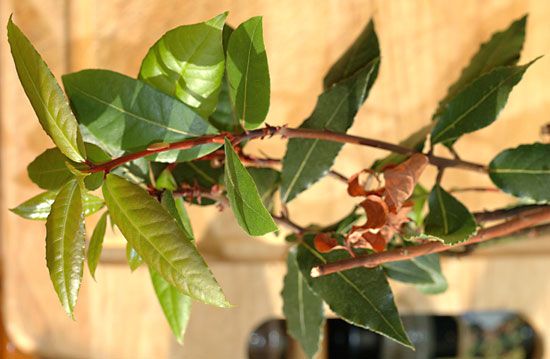
In ancient Greece, laurel wreaths were significant as powerful symbols of victory, honor, and distinction. Their prominence was deeply rooted in Greek mythology, specifically the legend of the god Apollo and the nymph Daphne. According to the myth, after Daphne was transformed into a laurel tree to escape Apollo’s pursuit, the god adopted the tree as his sacred emblem, often appearing depicted wearing a laurel crown.56
Because of this association with Apollo—the god of music, poetry, and prophecy—the laurel became a prestigious award for excellence. Wreaths fashioned from the plant’s foliage were bestowed upon victors of athletic and musical competitions, most notably during the Pythian Games held at Delphi. Beyond athletics, these wreaths were also awarded to poets and orators as a mark of high achievement. This tradition established the enduring legacy of the “laureate,” a term still used today to recognize individuals for significant contributions to the arts and sciences.678
What are some other common herbs used in a bouquet garni?
A bouquet garni is a bundle of herbs used to infuse flavor into soups, stews, sauces, and poaching liquids, and is removed before the dish is served. While the classic preparation consists of parsley, thyme, and a bay leaf, several other ingredients are commonly added to customize the flavor profile.9
Common additions to a bouquet garni include:
- Celery: Often used for its aromatic base notes.
- Garlic: Adds depth and pungency to the liquid.
- Fennel: Provides a subtle, sweet, anise-like flavor.
- Marjoram: Offers a mild, sweet, and slightly citrusy herb note.
- Orange peel: Frequently included to introduce a bright, citrusy aroma to the dish.9
Whether using fresh sprigs tied together or dried herbs enclosed in cheesecloth, these components work together to create a balanced aromatic foundation for various culinary preparations.93
How do essential oils from plants like the bay tree differ from culinary spices?
Essential oils and culinary spices differ primarily in their composition, purpose, and method of production. While both are derived from plants, they serve distinct roles in the kitchen and industry.
Nature and Composition
- Culinary Spices and Herbs: These are the physical parts of plants—such as leaves, seeds, bark, flowers, or roots—used to impart flavor, aroma, or piquancy to food. While they contain essential oils, they are used in their whole or ground form as ingredients in a recipe.113
- Essential Oils: These are highly volatile, concentrated substances isolated from odoriferous plants through physical processes like steam distillation or mechanical pressing. They represent the “essence” of a plant’s odor and flavor, often consisting of a complex mixture of hundreds of individual chemical compounds.12
Production and Use
- Processing: Spices and herbs are typically dried and crushed. In contrast, essential oils require specialized extraction methods to isolate the volatile compounds from the plant material.1112
- Application: Spices are used directly in cooking to enhance the flavor of dishes. Essential oils are primarily used as concentrated flavorings in the food-processing industry, as well as in the production of perfumes, cosmetics, and pharmaceuticals.312
For example, while a bay leaf is added to a stew for its subtle, woody flavor, the essential oil of the bay tree is a highly concentrated extract used in manufacturing soaps and perfumes.131
Sources
- bay tree — Encyclopædia Britannica
- bay tree — Merriam-Webster
- Bay leaf — Encyclopædia Britannica
- bay laurel — Encyclopædia Britannica
- Daphne — Encyclopædia Britannica
- A Reading Break on 'Laurel' — Merriam-Webster
- laurel — Merriam-Webster
- Wreath — Encyclopædia Britannica
- bouquet garni — Encyclopædia Britannica
- bouquet garni — Merriam-Webster
- What’s the Difference Between an Herb and a Spice? — Encyclopædia Britannica
- spice and herb — Encyclopædia Britannica
- Essential oil — Encyclopædia Britannica
- savory: Top Questions — Encyclopædia Britannica
Published on · 3 min read