Myrtaceae
Myrtaceae, commonly known as the myrtle family, is a diverse group of approximately 150 genera and 3,300 species of trees and shrubs within the order…
What is Myrtaceae?
Myrtaceae, commonly known as the myrtle family, is a diverse group of approximately 150 genera and 3,300 species of trees and shrubs within the order Myrtales. These plants are primarily distributed throughout the tropics and are characterized by their leathery, evergreen leaves that contain fragrant, oil-bearing glands. Botanically, the family is distinguished by its cymose flowers, inferior ovaries, and numerous stamens.12
The family is of significant economic and horticultural importance:
- Spices and Oils: Members of the family are the source of valuable spices, including cloves and allspice, as well as various essential oils used in medicine and perfumery.13
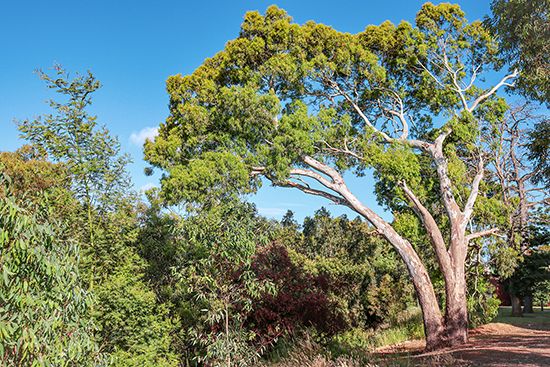
- Timber: The genus Eucalyptus is widely cultivated for its rapid growth, providing essential wood, pulp, and paper products.3
- Edible Fruits: Several species, such as guava and feijoa, are cultivated for their edible fruits, which are consumed raw or used in preserves and beverages.13
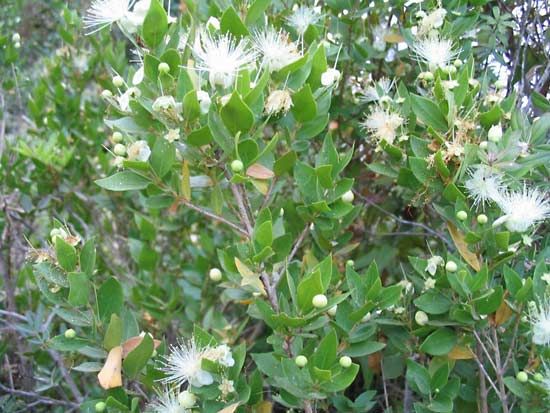
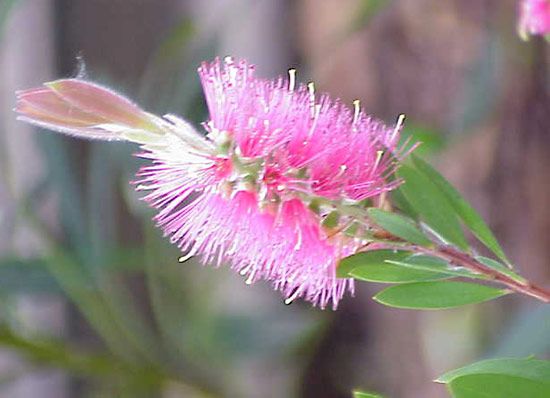
- Ornamentals: Many members, including bottlebrush and myrtle, are popular in landscaping for their aesthetic appeal.34
How do essential oils in Myrtaceae plants protect them in the wild?
In the wild, the essential oils found in the leaves, wood, and roots of Myrtaceae plants serve as a sophisticated chemical defense system. These volatile substances, stored in specialized glands, function in several key ways to ensure the plant’s survival:
- Deterrence of Herbivores: The aromatic compounds act as a deterrent against various herbivores, including insects and mammals that might otherwise consume the plant’s tissues.5
- Protection Against Pathogens: These oils may provide a chemical barrier that helps the plant resist attacks from parasites and various disease-causing organisms.5
- Injury Response: When a tree trunk is damaged, the plant may exude oleoresinous substances—such as the astringent Botany Bay kino—which act as a protective seal. This prevents the loss of vital sap and shields the exposed area from infection by parasites and pathogens.15
- Environmental Resilience: While the exact role of all essential oils is still being studied, they are widely considered part of a plant’s broader strategy to mitigate environmental stressors and competition from neighboring plants.65
What makes Eucalyptus trees so economically valuable for timber and paper?
Eucalyptus trees are highly valued in the forestry industry primarily due to their rapid growth rates and the versatility of their physical components. Their economic significance is driven by several key factors:
- Rapid Growth: Many species within the genus are known for growing quickly and attaining great heights, which allows for efficient and productive forestry plantations.5
- Timber Utility: The wood is extensively utilized for a wide range of structural and practical applications, including building construction, fencing, and fuel.5
- Papermaking: Beyond the wood itself, the bark of many eucalyptus species is a valuable raw material used in the process of papermaking.5
- Additional Products: The trees also provide other commercially useful materials, such as astringent resins known as Botany Bay kino and aromatic oils used in medical products.5
Are there any specific health benefits associated with consuming guava?
Consuming fresh guava provides significant nutritional value, as the fruit is rich in vitamin A, vitamin B, and vitamin C. These vitamins are essential components of a healthy diet, supporting various bodily functions and overall well-being.910
Beyond its nutritional profile, the fruit is widely appreciated for its culinary versatility. It is commonly eaten raw, sliced, or served as a dessert with sugar and cream, and it is frequently processed into jams, jellies, and preserves or used as a pastry filling.910
Sources
- Myrtaceae — Encyclopædia Britannica
- Myrtaceae — Merriam-Webster
- Myrtales - Economic and ecological importance — Encyclopædia Britannica
- myrtle — Encyclopædia Britannica
- eucalyptus — Encyclopædia Britannica
- 9 Mind-Altering Plants — Encyclopædia Britannica
- Eating the rainforest — Encyclopædia Britannica
- essential oil — Encyclopædia Britannica
- Did you know? — Merriam-Webster
- Guava — Encyclopædia Britannica
Published on · 3 min read