Magnoliales
The order Magnoliales consists of six distinct plant families. These woody plants, which include shrubs, trees, and climbers, represent an early evolutionary…
Which plant families are included in the Magnoliales order?
The order Magnoliales consists of six distinct plant families. These woody plants, which include shrubs, trees, and climbers, represent an early evolutionary branch of angiosperms known as the magnoliid clade.1
The families included in the order are:
- Annonaceae
- Myristicaceae
- Magnoliaceae
- Degeneriaceae
- Eupomatiaceae
- Himantandraceae1
How old is the Magnoliales order in terms of plant evolution?
The order Magnoliales is considered a basal group within the angiosperms, representing an early evolutionary lineage of flowering plants2. While botanists once hypothesized that Magnoliales were the most primitive extant angiosperms due to their structural features—such as spirally arranged floral parts and simple carpels—molecular evidence now places other groups as more basal in the evolutionary tree.2
In the fossil record, the order appears during the Cretaceous Period. The oldest discovered fossils of the Magnoliales are pollen grains belonging to the family Winteraceae, which date to between 108.5 million and 100.5 million years ago. Additionally, leaves with features characteristic of the order have been identified in rock strata from the same era in the eastern United States. While the earliest definitive angiosperm pollen, Clavatipollenites (dating to approximately 129.4 million years ago), is most closely related to the order Laurales, it also exhibits evolutionary links to the Magnoliales.3
How have plants in the Magnoliales order been used in traditional medicine?
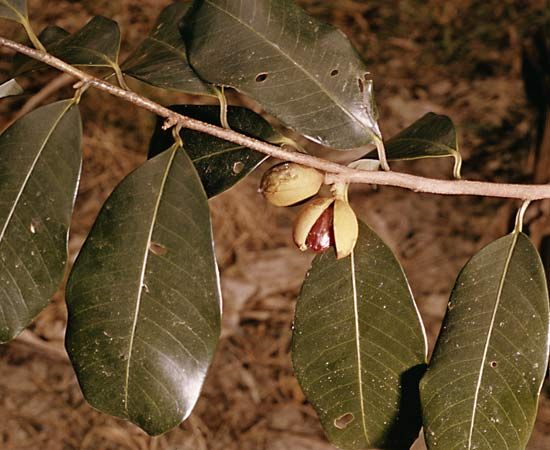
Plants within the Magnoliales order have a long history of use in traditional medicine, particularly within the family Myristicaceae.
Medicinal Uses of Myristicaceae
The most prominent examples are nutmeg and mace, both derived from the tropical tree Myristica fragrans.
- Traditional Applications: In traditional Ayurvedic medicine, mace has been used as a remedy for stomach ailments. In contemporary traditional Asian medicine, mace is utilized to treat fever, digestive issues, asthma, and dental caries.
- Therapeutic Properties: Mace and nutmeg contain essential oils that exhibit antibacterial, antifungal, anti-inflammatory, and hepatoprotective properties. Additionally, an ointment made from nutmeg butter has been historically used as a counterirritant and for treating rheumatism.
Other Medicinal and Traditional Uses
- Magnoliaceae: Some species within the Magnoliaceae family are valued for providing ingredients used in folk medicines.
- Annonaceae: While many members of the Annonaceae family are primarily known for their timber or edible fruits, historical records note that the dried fruits of Xylopia aethiopica were once used in Europe as a drug. Furthermore, some indigenous tribes in the Amazon utilize extracts from Unonopsis veneficiorum for their potent physiological effects.
What are some common examples of plants from the Magnoliales order?
The Magnoliales order is a diverse group of flowering plants comprising six families, including Magnoliaceae and Annonaceae. These plants are primarily woody trees and shrubs.1
Common Examples
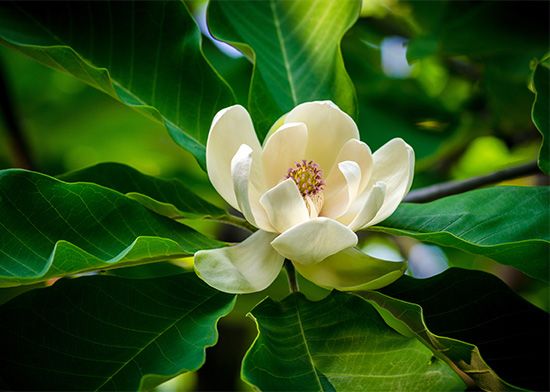
- Magnolia genus (Magnolia): This genus includes numerous popular ornamental trees and shrubs valued for their large, fragrant flowers. Notable species include the southern magnolia (M. grandiflora), the saucer magnolia (M. ×soulangeana), and the star magnolia (M. stellata).9
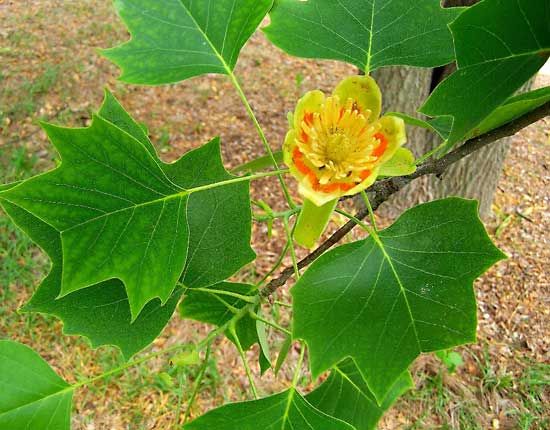
- Tulip Tree (Liriodendron tulipifera): Also known as the yellow poplar, this member of the Magnoliaceae family is a well-known ornamental and timber tree.11
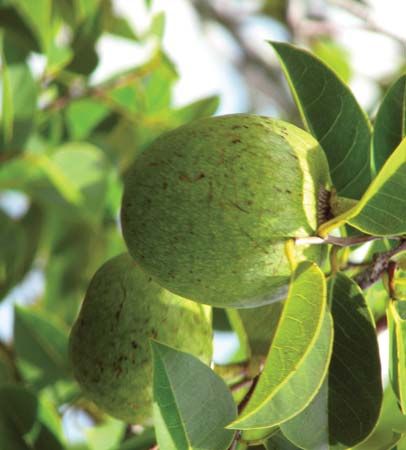
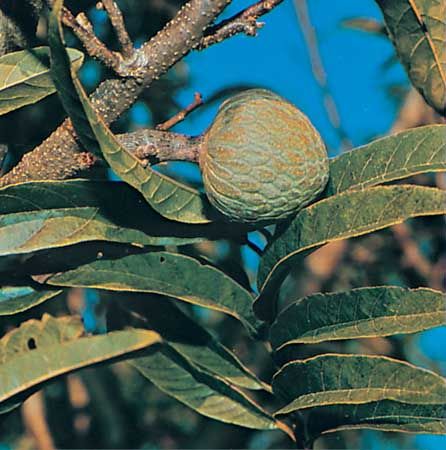
- Custard Apple Family (Annonaceae): This family is economically significant for its edible fruits. Common examples include the custard apple (A. reticulata), cherimoya (A. cherimola), soursop (A. muricata), and the American pawpaw (Asimina triloba).12
- Champac (Michelia champaca): A species within the Magnoliaceae family often cultivated for its fragrant flowers, which are used to produce perfume.11
Sources
- Magnoliales — Encyclopædia Britannica
- Magnoliales - Evolution — Encyclopædia Britannica
- magnoliid clade - Evolution — Encyclopædia Britannica
- magnoliid clade - Ecology and habitats — Encyclopædia Britannica
- nutmeg — Encyclopædia Britannica
- mace — Encyclopædia Britannica
- Magnoliales - Chemicals — Encyclopædia Britannica
- magnoliid clade - Diversity of structure — Encyclopædia Britannica
- Magnoliaceae — Encyclopædia Britannica
- Magnoliales - Timber — Encyclopædia Britannica
- Annonaceae — Encyclopædia Britannica
- Myricaceae — Encyclopædia Britannica
- magnolia — Encyclopædia Britannica
- magnoliid clade — Encyclopædia Britannica
Published on · 3 min read