Dittany
The term dittany refers to several distinct perennial plants cultivated for their aromatic foliage. Because the name is applied to different species, it is…
What is Dittany?
The term dittany refers to several distinct perennial plants cultivated for their aromatic foliage. Because the name is applied to different species, it is important to distinguish between them:1
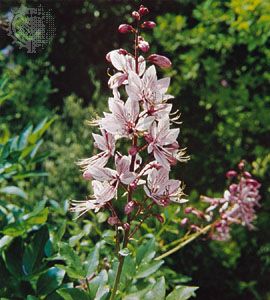
- European dittany (gas plant; Dictamnus albus): A member of the rue family.1
- American dittany (common dittany; Cunila origanoides): A member of the mint family native to the eastern United States. It was historically used as a remedy for fevers and snakebites.12
- Dittany of Crete (hop marjoram; Origanum dictamnus): Also in the mint family, this herb is native to Greece and is closely related to oregano. It is used in cooking and was once mythically believed to have the power to expel arrows from the body.132
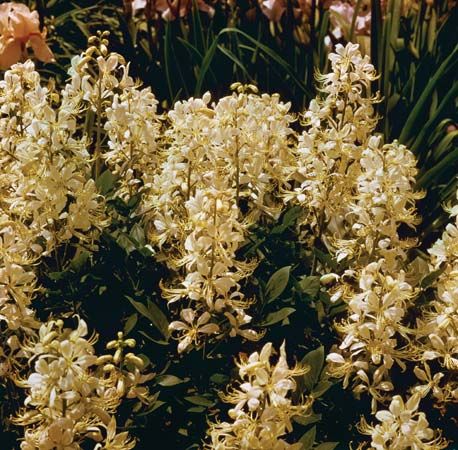
Why is the European dittany also known as the gas plant?
The European dittany (Dictamnus albus) is commonly known as the gas plant because of its unique chemical properties. Both the flowers and the leaves of this perennial herb secrete a strong, aromatic vapor that is highly flammable.4
When this volatile oil is released into the air, it can be ignited, creating a brief flash of fire without damaging the plant itself. This phenomenon is also the reason the species is sometimes referred to as the “burning bush”. While it is a popular ornamental in the rue family, gardeners should be aware that the plant’s glossy leaves can cause skin irritation upon contact.4
How are plants in the mint family different from those in the rue family?
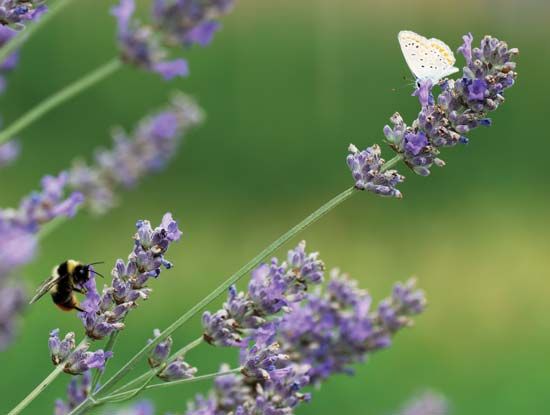
The mint family (Lamiaceae) and the rue family (Rutaceae) are distinct botanical groups with significant differences in their physical characteristics and typical growth habits.
Key Differences
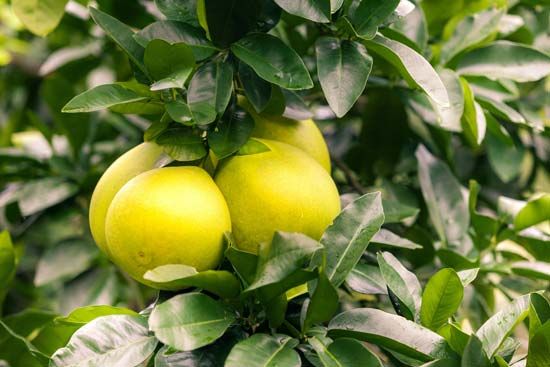
- Growth Habit: The rue family primarily consists of woody shrubs and trees, with only a few herbaceous perennials. In contrast, most members of the mint family are annual or perennial herbs, though some woody genera are included.56
- Stem and Leaf Structure: A defining characteristic of the mint family is its square stems and opposite, often saw-toothed leaves. The rue family is generally characterized by aromatic leaves that feature oil glands on their surfaces.765
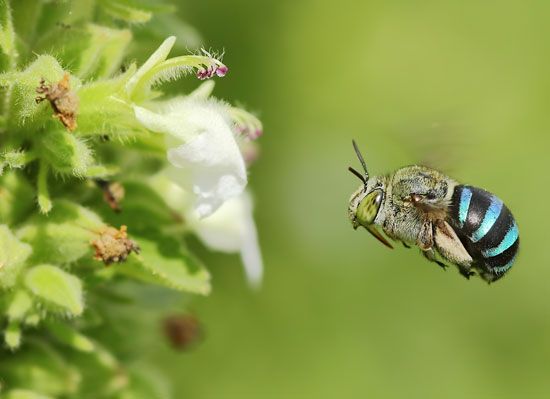
- Flower Morphology: Mint family flowers are typically two-lipped and tubular, often with a style that originates between the deep lobes of the ovary. Rue family flowers are generally showy, fragrant, and often perfect (containing both male and female reproductive organs), facilitating pollination by insects like bees and flies.7685
- Economic Use: The rue family is widely recognized for economically important fruit crops, such as citrus (lemons, oranges, and limes). The mint family is prized for its essential oils used in perfumery, medicinal applications, and as culinary herbs like basil, oregano, and thyme.856
What are some other common herbs used in Mediterranean cooking?
Mediterranean cooking relies on a variety of aromatic herbs, many of which belong to the mint family (Lamiaceae). Beyond the well-known staples, several other herbs are essential to the region’s culinary traditions:
- Savory: A group of about 30 species in the genus Satureja, these aromatic herbs are frequently used to season poultry and stuffings. They are particularly popular in French and Spanish cuisines.10
- Marjoram: Closely related to oregano, this perennial herb imparts a warm, slightly sharp, and bitter flavor. It is a versatile addition to sausages, fish, stews, and egg dishes.11
- Bay leaf: Unlike the mint-family herbs above, the bay leaf comes from the sweet bay tree (Laurus nobilis), a member of the Lauraceae family. It is prized for its woody, pine-like aroma and is a key component in classic mixtures like the French bouquet garni.12
Sources
- Dittany — Encyclopædia Britannica
- Cretan dittany — Merriam-Webster
- dittany — Merriam-Webster
- gas plant — Encyclopædia Britannica
- list of plants in the family Rutaceae — Encyclopædia Britannica
- list of plants in the family Lamiaceae — Encyclopædia Britannica
- Lamiales - Lamiaceae — Encyclopædia Britannica
- Rutaceae — Encyclopædia Britannica
- Lamiales — Encyclopædia Britannica
- savory: Top Questions — Encyclopædia Britannica
- oregano — Encyclopædia Britannica
- Bay leaf — Encyclopædia Britannica
- rosemary — Encyclopædia Britannica
- marjoram — Encyclopædia Britannica
Published on · 3 min read