Cherry Laurel
The term "cherry laurel" refers to two distinct evergreen species within the Rosaceae family, often cultivated as ornamental hedges. It is important to note…
What are the key characteristics and appearance of the cherry laurel plant?
The term “cherry laurel” refers to two distinct evergreen species within the Rosaceae family, often cultivated as ornamental hedges. It is important to note that these plants are toxic; their tissues and seeds contain cyanogenetic glycosides that can release hydrogen cyanide gas1.12
Key Characteristics and Appearance
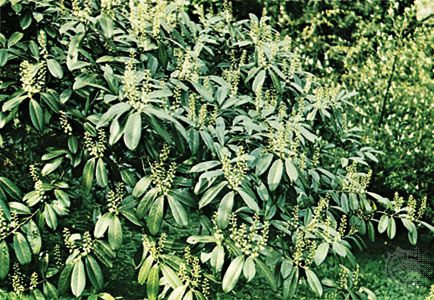
- English Laurel (Prunus laurocerasus): Native to southeastern Europe and southwestern Asia, this shrub or small tree can reach heights of up to 18 meters. It features simple, glossy leaves arranged alternately, fragrant white five-petalled flowers in loose clusters, and purple-black drupe fruits.1
- Carolina Cherry Laurel (Prunus caroliniana): Endemic to the southeastern United States, this smaller tree grows to about 5.4 meters. It is characterized by glossy, oval or lance-shaped leaves, small white flowers in elongated clusters, and tiny black drupes.1
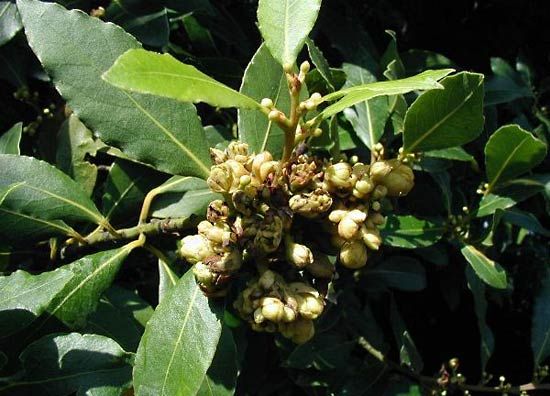
Despite their name, they are unrelated to the bay laurel.1
Are there any toxic properties associated with the cherry laurel plant?
Yes, the cherry laurel plant is toxic. Both species of cherry laurel (Prunus laurocerasus and Prunus caroliniana) contain dangerous cyanogenetic glycosides, such as amygdalin, within their tissues and seeds.1
When these plant parts are damaged or undergo hydrolysis, they are capable of releasing hydrogen cyanide gas. Cyanide is a potent poison that interferes with the body’s ability to utilize oxygen during respiration, which can lead to asphyxiation and cyanosis. Because of these chemical properties, the ingestion of these plant materials poses a significant health risk to both humans and animals.13
How does cherry laurel differ from other plants in the Prunus genus?
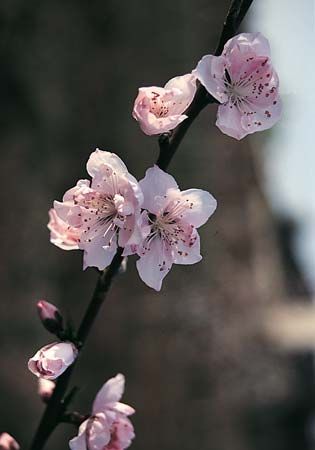
The cherry laurel (Prunus laurocerasus and Prunus caroliniana) belongs to the genus Prunus, a diverse group of over 400 species in the Rosaceae family that includes economically significant stone fruits like almonds, peaches, plums, and cherries.145
While they share the fundamental characteristics of the genus—such as simple leaves, five-petaled flowers, and drupe fruits—cherry laurels differ from many other Prunus members in several key ways:
- Evergreen Foliage: Unlike many Prunus species that are deciduous, cherry laurels are evergreen, maintaining their glossy leaves throughout the year.14
- Ornamental Use: While many Prunus species are grown for their fruit, cherry laurels are primarily cultivated as ornamental plants, frequently utilized for hedges due to their dense growth habit.14
- Toxicity: A critical distinction is the presence of high concentrations of cyanogenetic glycosides, such as amygdalin, in their tissues and seeds. These compounds can release hydrogen cyanide gas, making the plants toxic to humans and animals.](https://www.britannica.com/science/hydrogen-cyanide) gas, making the plants toxic to humans and animals.1
What are the typical uses of cherry laurel in landscaping and gardening?
Cherry laurel plants, including Prunus laurocerasus and Prunus caroliniana, are primarily cultivated as ornamental plants in temperate regions.1 Due to their dense growth habit and glossy, evergreen foliage, they are most commonly utilized as hedge plants to provide privacy or define boundaries in landscaping.2
Beyond their use as hedges, these species are valued in gardening for their aesthetic appeal. Prunus laurocerasus, often called English laurel, produces fragrant, white, five-petaled flowers in loose clusters, while Prunus caroliniana features elongated flower clusters. Both species are hardy, small trees or shrubs that maintain their leaves year-round, making them popular choices for structural planting in garden design.2
However, it is important to note that these plants contain toxic cyanogenetic glycosides, which can release hydrogen cyanide if tissues or seeds are damaged. Gardeners should be aware of this toxicity when selecting plants for areas accessible to children or pets.2
Sources
- cherry laurel — Encyclopædia Britannica
- cherry laurel — Merriam-Webster
- Rosales - Chemicals — Encyclopædia Britannica
- Prunus — Encyclopædia Britannica
- list of plants in the family Rosaceae — Encyclopædia Britannica
- Laurocerasus — Merriam-Webster
Published on · 3 min read