Beaver
Beavers possess several specialized physical characteristics that distinguish them as highly adapted amphibious rodents.
What are the physical characteristics that make beavers unique among rodents?
Beavers possess several specialized physical characteristics that distinguish them as highly adapted amphibious rodents.
Key features include:
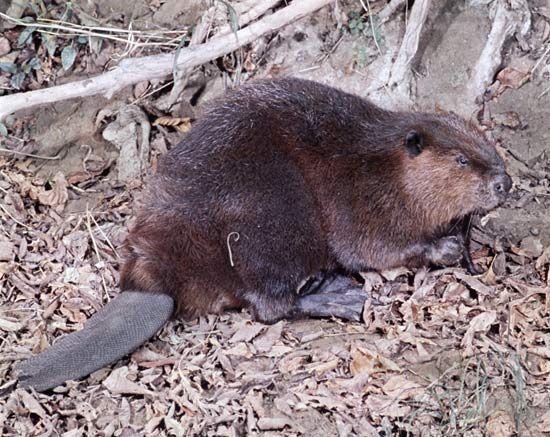
- Aquatic Adaptations: Upon submerging, skin valves close their nostrils and ears, while a nictitating membrane protects their eyes. Their lips close behind their massive incisors, allowing them to cut and carry branches underwater without water entering their mouth or lungs.1
- Locomotion: They have large, webbed hind feet used for propulsion, while their front feet are small and dexterous for manipulating food. The claws on their second hind digits are split and serrated, specifically for grooming.1
- Distinctive Tail: Their flat, scaly, paddle-shaped tail is used for swimming, communication (by slapping the water), and as a fat storage site during winter.1
- Specialized Teeth: Their chisel-shaped incisors are exceptionally strong because iron has replaced calcium in the outer enamel, giving them an orange appearance.1
- Water-Repellent Fur: They maintain a dense, fine underfur for insulation and use oil from anal glands, distributed by their feet and grooming claws, to keep their coat sleek and water-repellent.1
How do beavers’ teeth continue to grow throughout their lives, and why is this important?
Beavers, like many other rodents, possess rootless incisors that feature an open pulp cavity. This anatomical structure allows the teeth to grow continuously throughout the animal’s life.3
This constant growth is essential because of the beaver’s specialized diet and behavior. As herbivores that frequently gnaw on tough materials like wood and bark, beavers subject their teeth to significant mechanical wear. The continuous growth of these incisors compensates for the material lost during daily gnawing, ensuring that the teeth remain functional for nipping and processing food throughout the animal’s lifespan. This evolutionary adaptation is a common trait among various herbivorous groups, including lagomorphs and certain ungulates, which also rely on open-rooted teeth to maintain their dental surfaces against the abrasive nature of their diets.3

What is the difference between North American and Eurasian beavers?
There are two distinct species of beavers within the genus Castor: the American beaver (Castor canadensis) and the Eurasian beaver (Castor fiber).1
While both species share the same general physical characteristics—such as their iconic paddle-shaped tails, orange iron-reinforced incisors, and status as “ecosystem engineers”—they are geographically and historically distinct:1
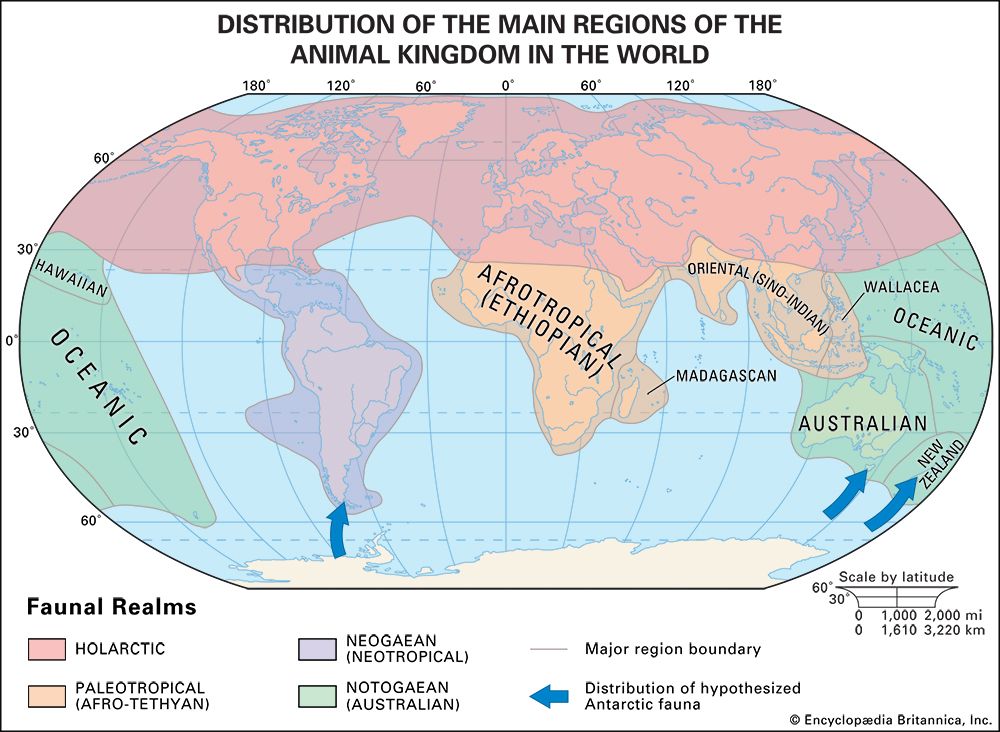
- American Beaver (Castor canadensis): Native to North America, its range extends from northern Mexico through the United States and Canada. Historically, this species was nearly extirpated by the 1900s due to the intensive fur trade but has since reclaimed much of its natural range through natural movement and human reintroduction. They have also been introduced to Finland, where their population has expanded into Russia.1
- Eurasian Beaver (Castor fiber): Historically found throughout the temperate and boreal forests of Europe and Asia, this species saw its range contract significantly by the early 20th century. Indigenous populations were once restricted to isolated areas like the Elbe and Rhône river drainages, parts of Scandinavia, and regions of Russia, Mongolia, and China. Since the 1920s, extensive reintroduction efforts have successfully returned the species to much of its former European and Asian range.1
Both species are currently classified by the IUCN as being of least concern.1
How have beavers been reintroduced to areas where they were previously extinct, and what has been the impact?
Beavers were historically pushed to the brink of extinction by the 20th century due to excessive trapping for their fur. Since then, they have reclaimed much of their former range through a combination of natural migration and deliberate human reintroduction efforts.5
In North America, the American beaver (Castor canadensis) recovered significantly as populations expanded back into their natural range. Similarly, for the Eurasian beaver (Castor fiber), which had seen its range contract to isolated pockets by the early 1900s, reintroduction programs began in Sweden in the 1920s. These efforts have successfully returned the species to much of its former territory across Europe, western Siberia, China, and Mongolia.5
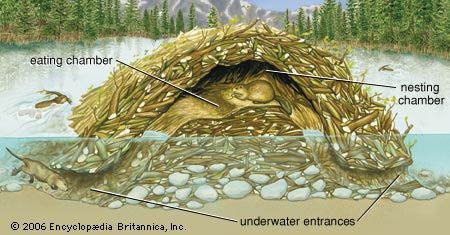
The impact of these beavers is profound because they act as “ecosystem engineers.” By constructing dams to create ponds and wetlands, they provide essential habitats for various fish and waterfowl. These structures also help manage water flow and can even impede the downstream movement of pollutants, contributing significantly to the health and biodiversity of their local environments.15
Sources
- beaver — Encyclopædia Britannica
- rodent - Form and function — Encyclopædia Britannica
- mammal - Teeth — Encyclopædia Britannica
- tooth germ — Encyclopædia Britannica
- Why do beavers build dams? — Encyclopædia Britannica
Published on · 4 min read