What Are the Rarest Types of Wolves?
Several wolf populations are currently facing significant conservation challenges, with some considered among the rarest in the world:
What Are the Rarest Types of Wolves?
Several wolf populations are currently facing significant conservation challenges, with some considered among the rarest in the world:
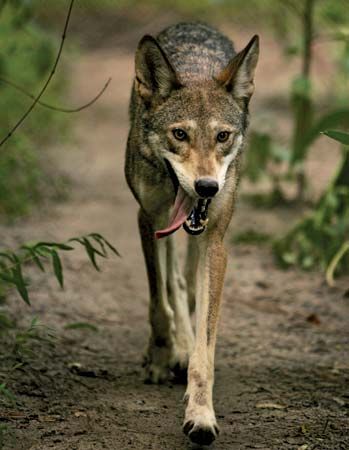
- Red Wolf (Canis rufus): Categorized as critically endangered by the IUCN, this species is considered the most endangered wolf in the world. Once widespread in the southeastern United States, its wild population is extremely small, with only about 15 individuals remaining in eastern North Carolina as of 2025, alongside a larger captive-bred population. Their recovery is further complicated by hybridization with coyotes.12
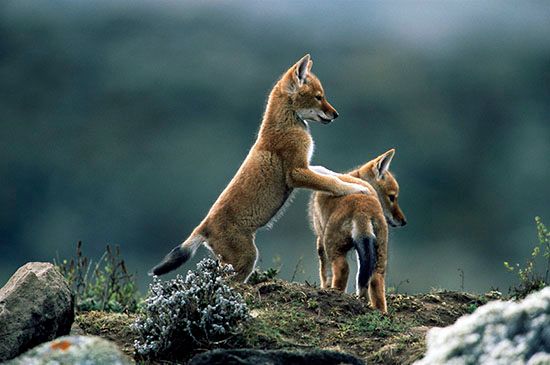
- Ethiopian Wolf (Canis simensis): Listed as endangered, this species is restricted to isolated high-elevation areas in Ethiopia. With fewer than 500 individuals remaining, they face severe threats from habitat loss, disease, and fragmentation of their packs.12
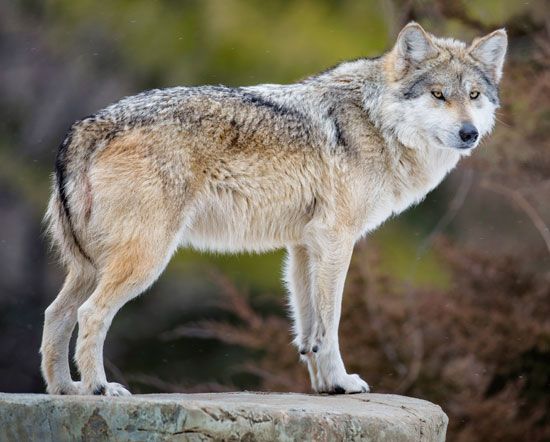
- Mexican Wolf (Canis lupus baileyi): A subspecies of the gray wolf, this animal was nearly eradicated in the 20th century. Thanks to joint recovery efforts between the United States and Mexico, populations are slowly recovering in the American Southwest.13
What are some animals that are called wolves but are not actually part of the Canis genus?
While many animals carry the name “wolf,” several are not members of the Canis genus. These creatures often share the name due to superficial physical resemblances or historical naming conventions rather than biological classification.
Notable examples include:
- Maned wolf: Despite its name, this animal (Chrysocyon brachyurus) is a distinct member of the dog family (Canidae) found in South America. It is not a true wolf and is characterized by its long, stilt-like legs and reddish-brown fur.24
- Aardwolf: This insectivorous mammal (Proteles cristatus) is native to Africa. Its name translates to “earth wolf” in Afrikaans, but it is actually a member of the family Hyaenidae (hyenas) or its own family, Protelidae, rather than the canine family.56
- Tasmanian wolf: Also known as the thylacine (Thylacinus cynocephalus), this extinct animal was not a canine at all. It was a carnivorous marsupial that inhabited Tasmania, Australia, and New Guinea.789
How does hybridization with coyotes affect the conservation of red wolves?
Hybridization with coyotes poses a significant threat to the conservation of the red wolf, which is currently considered one of the most endangered types of wolves in the world.122
Because the red wolf population is extremely small—with only about 15 individuals remaining in the wild in eastern North Carolina as of 2025—continued interbreeding with coyotes threatens the genetic integrity of the species. Molecular studies have indicated that the red wolf possesses a high percentage of coyote ancestry, and ongoing hybridization complicates efforts to maintain a distinct, viable population. This genetic mixing makes it difficult for conservationists to preserve the unique characteristics of the red wolf, as the offspring of these pairings dilute the specific traits that define the species.122
What role did the reintroduction of wolves to Yellowstone National Park play in ecosystem health?
The reintroduction of wolves to Yellowstone National Park in 1995 served as a critical intervention for restoring ecological balance through a process known as a trophic cascade.
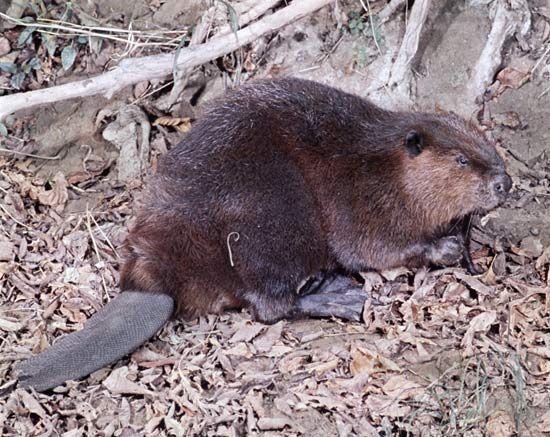
By acting as top predators, wolves help regulate the populations of large herbivores, such as elk. Before their return, the absence of these apex predators allowed herbivore populations to grow unchecked, which led to the overconsumption of vegetation. The reintroduction of wolves helped decrease elk numbers, which in turn allowed for the recovery of plant species like aspen and willow. This restoration of plant life provides essential habitat and food for other wildlife, including beavers, which have also seen a significant comeback in the park.31314
Furthermore, the presence of wolves helps mitigate mesopredator release, a phenomenon where medium-sized predators like coyotes increase in number and disrupt the ecosystem when top predators are absent. By controlling these populations, wolves help maintain a more stable and diverse biological community.13
Sources
- What Are the Rarest Types of Wolves? — Encyclopædia Britannica
- wolf - Other wolves — Encyclopædia Britannica
- gray wolf - Conservation status — Encyclopædia Britannica
- Thylacinus — Merriam-Webster
- aardwolf — Encyclopædia Britannica
- aardwolf — Merriam-Webster
- maned wolf — Merriam-Webster
- maned wolf — Encyclopædia Britannica
- Tasmanian tiger — Merriam-Webster
- thylacine: Top Questions — Encyclopædia Britannica
- dog - Wolves — Encyclopædia Britannica
- coyote — Encyclopædia Britannica
- trophic cascade — Encyclopædia Britannica
- Yellowstone National Park - Plant and animal life — Encyclopædia Britannica
Published on · 3 min read