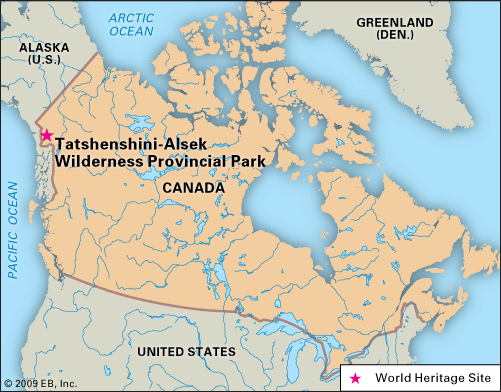
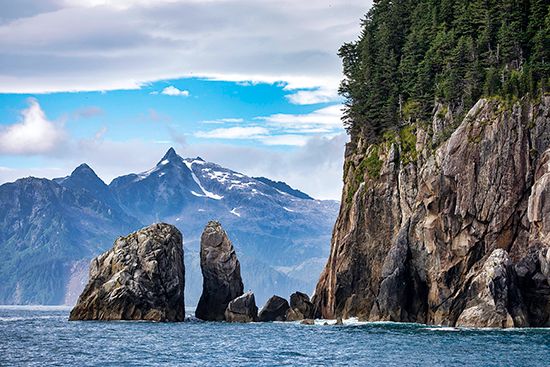
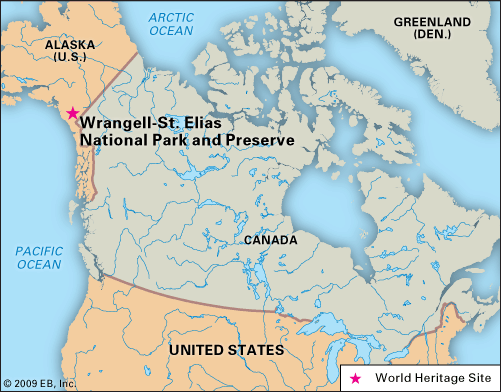
Wrangell–Saint Elias National Park and Preserve
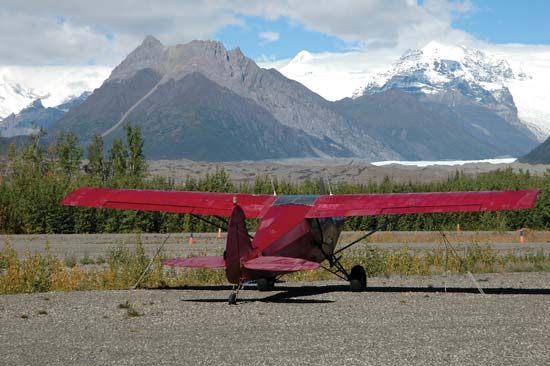
Visitors to Wrangell–Saint Elias National Park and Preserve can engage in a variety of wilderness-oriented recreational activities. Due to the park's vast…
What recreational activities are available for visitors to Wrangell-Saint Elias?
Visitors to Wrangell–Saint Elias National Park and Preserve can engage in a variety of wilderness-oriented recreational activities. Due to the park’s vast and rugged landscape, popular pursuits include:
- Backpacking: Exploring the extensive backcountry of the largest unit in the U.S. national park system.
- Mountaineering: Navigating the park’s significant collection of high-altitude peaks and glaciers.
- River Running: Traveling along the park’s waterways, such as the Chitina and Copper rivers.
- Hunting and Fishing: Engaging in traditional outdoor sports within the designated preserve areas.
Access to the park’s interior is primarily facilitated by two roads—one in the north and one in the south—as well as by aircraft. The southern road provides specific access to the historic town of McCarthy and the ruins of the Kennecott copper mines, offering a glimpse into the region’s industrial past.1
How does the size of Wrangell-Saint Elias compare to other national parks in the United States?
Wrangell–Saint Elias National Park and Preserve is the largest unit in the United States national park system. Its immense scale distinguishes it from other parks across the country:1
- Total Area: The park and preserve combined encompass 20,587 square miles (53,320 square km).1
- Breakdown: The national park portion alone covers 13,005 square miles (33,683 square km), while the national preserve covers 7,582 square miles (19,637 square km).1
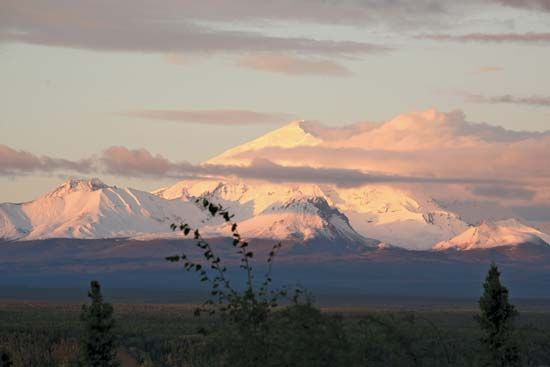
To put this size into perspective, the park is centered on the convergence of three major mountain ranges—the Chugach, Wrangell, and St. Elias mountains—and contains the greatest collection of peaks above 16,000 feet (4,880 metres) on the North American continent. While the U.S. maintains hundreds of national parks known for their scenic beauty and wildlife, none match the sheer geographic expanse of Wrangell–Saint Elias.167
When was Wrangell-Saint Elias designated as a national park and preserve?
Wrangell–Saint Elias National Park and Preserve was established as a national park and preserve in 1980.1
Prior to this designation, the area was proclaimed a national monument in 1978 and was later recognized as a UNESCO World Heritage site in 1979.1
What kind of wildlife can be found in Wrangell-Saint Elias National Park?
Wrangell–Saint Elias National Park and Preserve supports a diverse array of wildlife across its vast, rugged landscape. The park’s varied habitats, ranging from coastal forests to alpine tundra, provide homes for numerous species, including:
- Large Mammals: The park is home to caribou, moose, and Dall sheep. Predators such as wolves, as well as brown and grizzly bears, also inhabit the region.1
- Small Mammals: Beavers are found within the park’s ecosystems.1
- Birds: The area serves as a habitat for trumpeter swans and a variety of other waterfowl.1
- Marine Life: The park’s coastal proximity allows for the presence of various marine mammals.1
This rich biodiversity is supported by the park’s diverse vegetation, which includes coastal spruce-hemlock forests, floodplain forests, and alpine sedges and grasses.1
Sources
- Wrangell–Saint Elias National Park and Preserve — Encyclopædia Britannica
- St. Elias Mountains — Encyclopædia Britannica
- Kluane National Park and Reserve — Encyclopædia Britannica
- Wrangell-Saint Elias National Park — Merriam-Webster
- Wrangell Mountains — Encyclopædia Britannica
- 7 Wonders of America — Encyclopædia Britannica
- List of national parks - North America — Encyclopædia Britannica
- List of national parks in the U.S. — Encyclopædia Britannica
Published on · 2 min read