Belitung
The economy of Belitung Island has been historically anchored by tin mining, which began in 1851. Initially exploited by a private Dutch company and later…
How has the economy of Belitung Island developed over time, and what are its main industries?
The economy of Belitung Island has been historically anchored by tin mining, which began in 1851. Initially exploited by a private Dutch company and later the colonial government, this industry remains a pillar of the regional economy today, though production has experienced a slowdown since the late 20th century. Historically, the mining industry significantly shaped the island’s demographics by attracting a large influx of laborers, particularly from China.12
Beyond mining, the broader economy of the Bangka Belitung province is supported by three primary sectors:
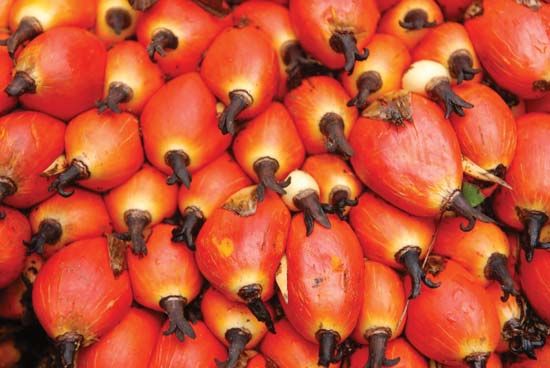
- Agriculture and Forestry: More than two-thirds of the land is utilized for agriculture, forestry, and aquaculture. Major food crops include rice, cassava, and corn, while large estates produce commodities such as oil palm, rubber, coffee, pepper, and coconut.2
- Manufacturing: Key industrial outputs include chemicals, construction materials, processed foods, and traditional handicrafts like metalwork and jewelry.2
- Livestock: The region supports the raising of pigs, goats, cows, chickens, and ducks.2
How do the people of Belitung Island maintain their traditional way of life in the modern world?
The provided search results do not contain specific information regarding how the people of Belitung Island maintain their traditional way of life in the modern world. While the sources identify the inhabitants of Belitung as part of the broader category of coastal, Islamized, and agricultural peoples of western Indonesia, they do not detail contemporary cultural preservation practices or the intersection of tradition and modernity on the island.13
What is the historical significance of Belitung Island in Indonesia?
Belitung Island holds significant historical importance due to its strategic location and its role in the global tin trade. Historically, the island was part of the Srivijaya empire (7th–13th century) and later influenced by the Majapahit empire and the Palembang sultanate.12
The island’s modern history was shaped by colonial interests:
- Colonial Transition: Ceded to the British in 1812, Belitung was eventually recognized as a Dutch possession in 1824, becoming part of the Dutch East Indies.12
- Economic Transformation: The discovery of tin in 1851 fundamentally altered the island’s development. The mining industry, initially operated by a private Dutch company and later the colonial government, drove significant migration, particularly from China, which established the island’s lasting ethnic diversity.12
- Political Evolution: Following Indonesian independence, Belitung was integrated into the province of South Sumatra. In 2000, it joined with Bangka to form the independent province of Bangka Belitung, reflecting a desire for greater political and economic autonomy.12
What is the climate like on Belitung Island, and how does it affect daily life?
Sorry, the Britannica knowledge base does not contain information regarding the climate of Belitung Island or how it affects the daily life of its inhabitants.
Sources
- Belitung — Encyclopædia Britannica
- Bangka Belitung — Encyclopædia Britannica
- Indonesia - Western islands — Encyclopædia Britannica
Published on · 2 min read