Bib
A "bib" is a versatile term with several distinct meanings depending on the context:
What is bib?
A “bib” is a versatile term with several distinct meanings depending on the context:
- Protective Shield: A cloth or plastic garment tied under the chin to protect clothing, or the upper section of an apron or overalls that extends above the waist.1
- Identification: A piece of material worn by participants in a race or contest that displays an identifying number.1
- Biological Feature: A patch of feathers or fur that differs in color from the surrounding area, located just below the chin or bill of a bird or mammal.1
Additionally, “bib” is sometimes used as an abbreviation for the Bible or the word “biblical,” though “bibl.” is also commonly used for the latter or for “bibliography”.23
How are race bibs used to track athlete performance?
What is the historical origin of the word bib?
The word “bib,” referring to the protective garment worn under the chin, has a documented history dating back to 1574. While the noun form emerged in the late 16th century, it is distinct from the Middle English verb bibben, which appeared in the 14th century and meant “to drink”.51
The term likely evolved to describe the protective cloth used to keep clothing clean during meals, eventually expanding to include the upper portion of aprons or overalls and, later, the identifying markers worn by athletes in competitions. It is important to note that this usage is separate from the abbreviation “bib,” which is commonly used as a shorthand for the Bible or the term “biblical”.54
How do animals use their natural bibs for camouflage?
The premise that animals use “bibs” for camouflage is inaccurate. In biology, a bib refers to a patch of differently colored feathers or fur located immediately below the chin or bill of a bird or mammal, rather than a functional tool used for concealment.6
While animals utilize various forms of concealing coloration to mask their location or identity, these mechanisms function differently:
- Background matching: Animals resemble their environment in color, form, or movement to avoid detection.1
- Disruptive coloration: Patterns break up the animal’s outline, making it difficult for predators to recognize the creature’s shape.1
- Countershading: Darker pigmentation on the upper body and lighter coloring on the lower body reduces depth perception, helping the animal blend into its surroundings.1
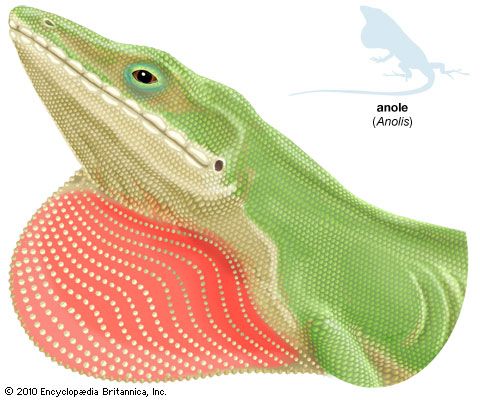
Conversely, throat patches or fans—sometimes colloquially called bibs—are often used for advertising coloration during courtship or threat displays, such as in Anolis lizards, rather than for hiding.7
Sources
- bib — Merriam-Webster
- bibl — Merriam-Webster
- bibliotheca — Merriam-Webster
- bib — Merriam-Webster
- bib — Merriam-Webster
- concealing coloration — Encyclopædia Britannica
- coloration - Optical functions: combination of concealing and advertising coloration — Encyclopædia Britannica
Published on · 2 min read