Bidens
It appears there may be some confusion between the botanical term and the political figure.
What is Bidens?
It appears there may be some confusion between the botanical term and the political figure.
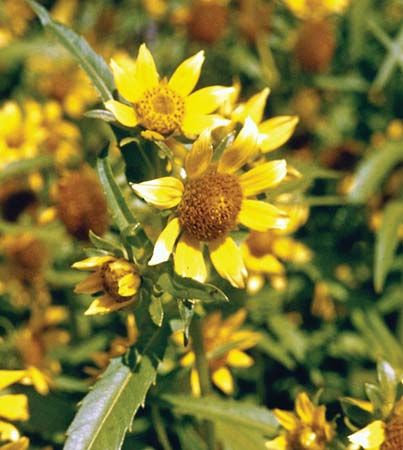
Bidens is a cosmopolitan genus of approximately 230 species of weedy herbs in the Asteraceae family. These plants, often called bur marigold, sticktights, or tickseed sunflowers, are characterized by their yellow flowers and fruits equipped with barbed bristles that attach to clothing or animal fur.1
In contrast, Joe Biden served as the 46th president of the United States from 2021 to 2025. Before his presidency, he served as the 47th vice president under Barack Obama (2009–2017) and represented Delaware in the U.S. Senate for 36 years.23
What are the characteristics of the Asteraceae plant family?
The Asteraceae family, commonly known as the aster, daisy, or composite family, is one of the largest families of angiosperms, comprising over 25,000 species of herbaceous plants, shrubs, and trees distributed globally.89
Key Characteristics
- Composite Flower Heads: The most defining feature is the grouping of flowers into compact inflorescences (heads) that resemble single flowers. These heads are subtended by an involucre of small bracts.10
- Floral Structure: The family features a highly modified calyx known as the pappus, which may consist of scales, awns, or bristles. The ovary is inferior, and the ovule is basal, a key trait distinguishing it from related families.10
- Head Types: Depending on the arrangement of disk, ray, or ligulate flowers, heads are classified as discoid, radiate, disciform, or ligulate.10
- Fruit: The family is characterized by the production of one-seeded achene fruits.9
Economic Importance
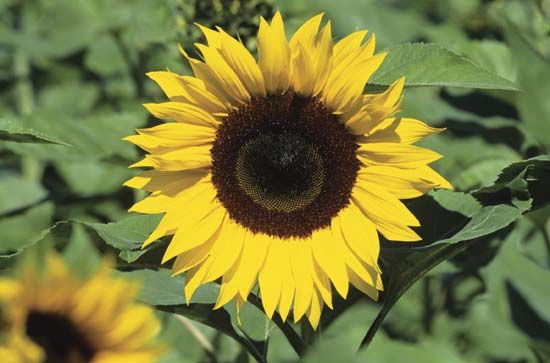
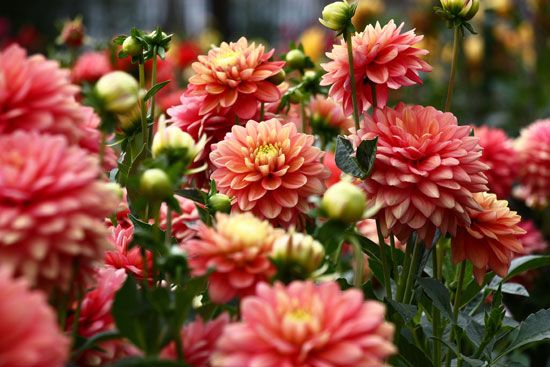
Asteraceae is significant for its diverse ornamental plants, such as zinnias and dahlias, as well as essential food crops like lettuce, artichokes, and sunflowers, the latter being a source of cooking oil.11
How do barbed seeds help plants spread in nature?
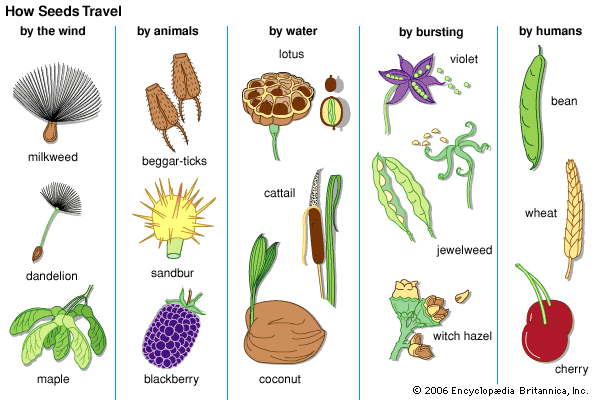
Barbed seeds and fruits are highly effective at spreading through a process known as epizoochory, which involves the inadvertent transport of seeds by animals. These structures—which may include hooks, spines, bristles, or barbs—act as “hitchhikers” by clinging tenaciously to the fur, feathers, or skin of passing animals.121314
By attaching to a mobile carrier, these seeds are transported away from the parent plant, allowing the species to colonize new areas and reduce competition for resources like water, nutrients, and sunlight. The functional design of these structures varies by species:1213
- Direct Attachment: In plants like Bidens (beggar-ticks), the pappus awns are directly barbed, allowing them to stick to fur or clothing.15
- Modified Structures: In other plants, such as burdock (Arctium) and cocklebur, the protective bracts surrounding the flower head are equipped with hooks, enabling the entire head to be distributed intact.15
- Persistent Parts: Some plants utilize persistent floral parts, such as the hooked styles in wood avens or the persistent calyx in agrimony, to facilitate attachment.12
Are there other plants that use animals to disperse their seeds?
Yes, many plants rely on animals for seed dispersal, a process known as zoochory. Beyond the “hitchhiking” method of barbed seeds, plants have evolved diverse strategies to enlist animals as partners in their reproduction:1718
- Endozoochory (Consumption): Many plants produce fleshy, nutritious, or colorful fruits to attract birds, mammals, and even reptiles or fish. The animals consume the fruit, and the seeds pass through their digestive systems intact to be deposited elsewhere in their feces. This mutualism is thought to have significantly aided the diversification of angiosperms17.171912
- Myrmecochory (Ant Dispersal): Some plants, such as violets, primroses, and trilliums, produce seeds with a fleshy, edible appendage called an elaiosome. Ants carry these seeds to their nests to feed on the elaiosome, effectively planting the seeds in nutrient-rich soil.20
- Synzoochory (Deliberate Carrying): Some animals, particularly birds and rodents, collect and cache seeds for later consumption. Nut-eating animals like nutcrackers, jays, and squirrels often bury more seeds than they recover, allowing the forgotten ones to germinate.12
- Specialized Dispersal: Certain plants have evolved unique relationships, such as mistletoes being spread by birds that wipe sticky seeds onto branches, or the desert melon, which relies on aardvarks to bury its seeds alongside their dung.171219
Sources
- Bidens — Encyclopædia Britannica
- Joe Biden: Top Questions — Encyclopædia Britannica
- 2020 presidential election - Career, education, and publications — Encyclopædia Britannica
- Joe Biden - Quick Facts — Encyclopædia Britannica
- H-1B visa - Joe Biden administration (2021–24) — Encyclopædia Britannica
- Joe Biden — Encyclopædia Britannica
- Bidens — Merriam-Webster
- Asteraceae — Encyclopædia Britannica
- list of plants in the family Asteraceae — Encyclopædia Britannica
- Asteraceae - Flowers — Encyclopædia Britannica
- Asteraceae - Economic importance — Encyclopædia Britannica
- seed - Dispersal by animals — Encyclopædia Britannica
- Asteraceae - Fruit and seeds — Encyclopædia Britannica
- plant - Seed plants — Encyclopædia Britannica
- Falling Far from the Tree: 7 Brilliant Ways Seeds and Fruits Are Dispersed — Encyclopædia Britannica
- plant - Fruits and seeds — Encyclopædia Britannica
- seed dispersal - Zoochory: animal dispersal — Encyclopædia Britannica
- seed dispersal - Ants — Encyclopædia Britannica
- seed - Dispersal by birds — Encyclopædia Britannica
- seed dispersal — Encyclopædia Britannica
Published on · 3 min read