Dahlia
The genus Dahlia consists of approximately 40 species of flowering plants belonging to the aster family. While there are about 40 wild species, only about…
How many species and varieties of dahlias exist, and how are they classified?
The genus Dahlia consists of approximately 40 species of flowering plants belonging to the aster family. While there are about 40 wild species, only about six have been bred for cultivation as ornamental flowers.1
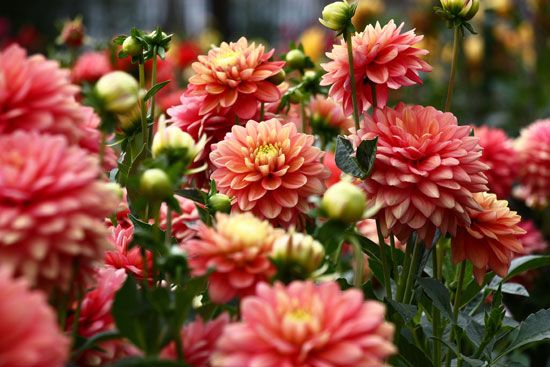
Through selective breeding, thousands of dahlia cultivars have been developed, primarily from species such as D. pinnata, D. variabilis, and D. coccinea. These thousands of varieties are classified into specific types based on their flower form, including:1
Wild dahlias are characterized by having both disk and ray flowers in their composite heads, whereas many ornamental varieties have been modified to feature shortened ray flowers.1
What is the origin and history of the dahlia plant?
The dahlia is native to the higher elevations of Mexico and Central America. These tuberous perennials were brought to Europe following Spanish colonization of the region.
The plant was first introduced to Great Britain from Spain in 1798. Following this introduction, breeders in Britain and other regions developed countless varieties, including double-flowered forms, primarily from the species D. variabilis and D. coccinea.1
The genus is named after the Swedish botanist Anders Dahl. While there are approximately 40 wild species, only about six have been cultivated for ornamental use. These plants have since become a staple in the floral industry and home gardens due to their diverse forms and vibrant colors.31
What are some popular uses of dahlias in gardens, floral arrangements, and other applications?
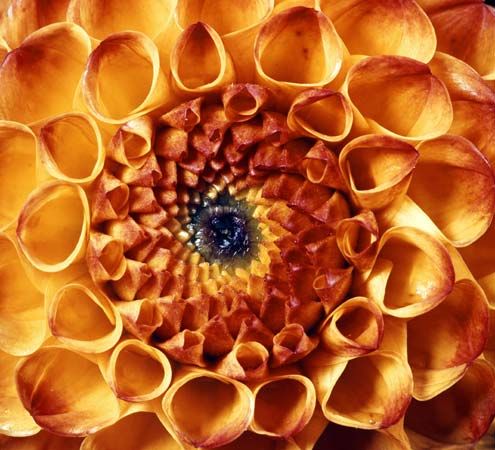
Dahlias are primarily valued for their aesthetic appeal, making them a staple in both professional and amateur horticulture. Their popularity stems from their diverse range of forms—such as pompon, cactus, and dinnerplate varieties—and their vibrant color palette, which includes white, yellow, red, and purple.1
Garden and Floral Applications
- Ornamental Gardening: Dahlias are widely cultivated in home gardens because they thrive in most garden soils. As tuberous perennials, they provide a reliable display of color from late summer until the first autumn frost.1
- Floral Industry: Due to their striking appearance and variety of flower shapes, dahlias are highly sought after in the floral industry for use in professional arrangements and bouquets.1
While they are celebrated globally as ornamental plants, their primary application remains their decorative role in landscaping and cut-flower production.13
How are dahlias propagated, and what methods are most commonly used?
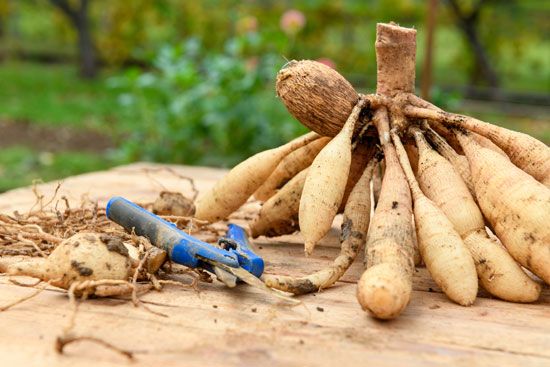
Dahlias can be propagated through both sexual and asexual methods to increase their numbers while preserving their desired characteristics.1
Propagation Methods
- Sexual Propagation (Seeds): Dahlias can be grown from seeds. This method is often used in plant breeding to develop new cultivars, though it may not always produce plants identical to the parent.41
- Asexual Propagation (Vegetative): Because dahlias are tuberous perennials, they are commonly propagated by dividing their specialized underground structures. This ensures that the new plants maintain the exact traits of the parent plant. Other vegetative techniques applicable to many garden plants include cuttings and tissue culture, which allow for the controlled perpetuation of specific varieties.41
By utilizing these techniques, gardeners can effectively manage their dahlia collections and ensure the continued growth of their favorite ornamental varieties.41
Sources
- dahlia — Encyclopædia Britannica
- peony-flowered dahlia — Merriam-Webster
- dahlia — Merriam-Webster
- horticulture - Propagation — Encyclopædia Britannica
Published on · 3 min read