Dracaena
Dracaena is a genus comprising approximately 170 species of flowering plants belonging to the asparagus family (Asparagaceae). Primarily native to the Old…

What is Dracaena?
Dracaena is a genus comprising approximately 170 species of flowering plants belonging to the asparagus family (Asparagaceae). Primarily native to the Old World tropics, these plants are widely cultivated as houseplants due to their ornamental foliage and ability to improve indoor air quality by removing chemicals like formaldehyde.1
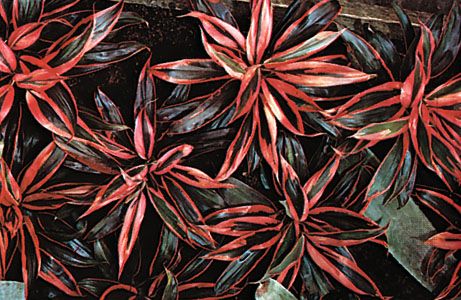
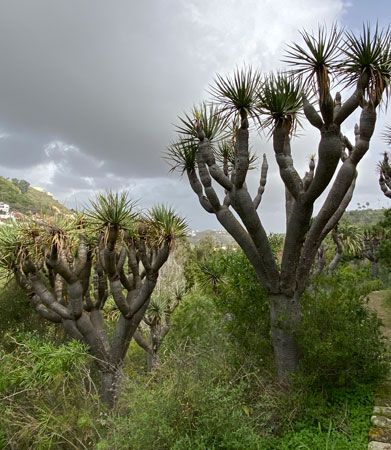
The genus is physically diverse, ranging from species with short, ringed stalks and sword-shaped leaves to tree-like forms with leafy crowns. Popular varieties include lucky bamboo, the corn plant, and the snake plant, the latter of which was reclassified into Dracaena following 2018 phylogenetic research. Some species, such as the dragon tree, produce a red resin known as dragon’s blood, which has historically been valued for medicinal purposes. Unfortunately, several species are currently endangered due to habitat loss and overharvesting.12
What is the history behind the name dragon’s blood?
The name “dragon’s blood” refers to the dark-red resin harvested from various plant species across the globe. While the term is often associated with the dragon tree (Dracaena), it is also derived from the fruit of several palms in the genus Daemonorops, particularly Daemonorops draco native to Malaysia and Indonesia.34
Historically, the substance was highly valued in Europe for its medicinal properties, specifically as an astringent. Beyond its traditional use in healing wounds, the resin has been utilized for centuries in various industrial and artistic applications, including as a varnish for violins and in photoengraving to protect printing surfaces during the etching process.4
Other botanical sources of this resin include Croton draco in Mexico and Croton lechleri in Peru and Ecuador, where it continues to be used locally for its medicinal qualities. The name itself reflects the striking, blood-red appearance of the sap or resin produced by these diverse plants.43
How do houseplants help improve indoor air quality?
Houseplants can indeed improve indoor air quality by absorbing airborne toxins originating from sources such as cleaning products, upholstery, tobacco smoke, and ceiling tiles. During their natural gas-exchange process, plants take in carbon dioxide through their leaves and release oxygen.5
The detoxification process occurs primarily at the root level. Once a plant absorbs airborne pollutants, it transports these toxins down to its roots, where specialized microbes consume and neutralize them.5
While experts continue to debate the exact quantity and variety of plants required to significantly impact air quality, researchers generally recommend maintaining a diverse mix of species. Notable examples of plants identified as effective at clearing pollutants include the areca palm, lady palm, bamboo palm, rubber plant, and dracaena.5
What are the main differences between lucky bamboo and other Dracaena species?
While “lucky bamboo” (Dracaena braunii) is a member of the Dracaena genus, it is distinct from many of its relatives in both form and cultivation.
The primary differences include:
- Growth Habit: Unlike the tree-like Dracaena species—such as the dragon tree, which can reach heights of 18 meters—lucky bamboo is characterized by its slender, ringed stalks that are often trained into specific shapes or spirals.2
- Cultivation: While most Dracaena are grown in soil, lucky bamboo is frequently sold and maintained in water, a practice less common for other species in the genus.2
- Morphology: Many other Dracaena species, such as the corn plant (D. fragrans) or the snake plant (D. trifasciata), are prized for their broad, sword-shaped, or upright basal leaves. Lucky bamboo typically features smaller, more delicate foliage compared to these larger, more robust relatives.2
Despite these differences, all these plants share the genus’s reputation as effective indoor air cleaners.2
Sources
- Did you know? — Merriam-Webster
- Dracaena — Encyclopædia Britannica
- dragon's blood — Merriam-Webster
- dragon’s blood — Encyclopædia Britannica
- 11 Questions About Useful Plants Answered - Can houseplants help the quality of air in my house? — Encyclopædia Britannica
Published on · 3 min read