Black Hills
The discovery of gold in the Black Hills during the 1870s fundamentally transformed the region, driving rapid non-Indigenous settlement while causing…
How has the discovery of gold in the Black Hills impacted its history and development?
The discovery of gold in the Black Hills during the 1870s fundamentally transformed the region, driving rapid non-Indigenous settlement while causing profound suffering for the Native American populations who held treaty rights to the land.123
Impact on Development
The gold rush led to the establishment of mining towns such as Deadwood and Lead, the latter of which became home to the Homestake Gold Mine. This mine became the largest in the United States and served as a cornerstone of the regional economy for over a century until its closure in 2001.43
Conflict and Displacement
The influx of miners directly violated the Second Treaty of Fort Laramie (1868), which had guaranteed the Black Hills to the Oceti Sakowin and Arapaho peoples. This violation triggered the Black Hills War, leading to the Battle of the Little Bighorn and the eventual forced relinquishment of the land by the Sioux in 1877. The legal and moral struggle over this territory continues, as the Sioux have rejected monetary compensation, maintaining that the land is their heritage and treaty right.231
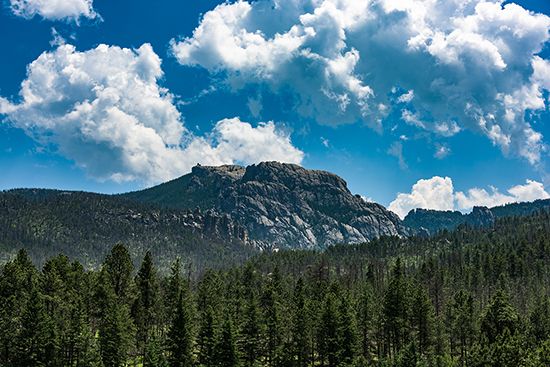
What types of flora and fauna can be found in the Black Hills ecosystem?
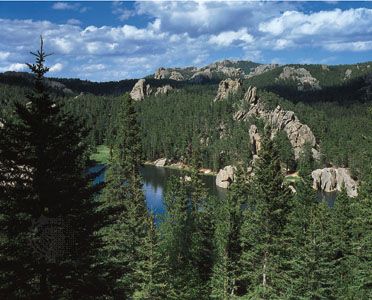
The Black Hills region is characterized by its well-forested slopes, which distinguish it from the surrounding plains and contribute to the dark appearance that gives the area its name. These wooded areas are most densely concentrated within the Black Hills National Forest and Custer State Park.65
The ecosystem supports a diverse array of wildlife. Notable fauna found in the Black Hills include:
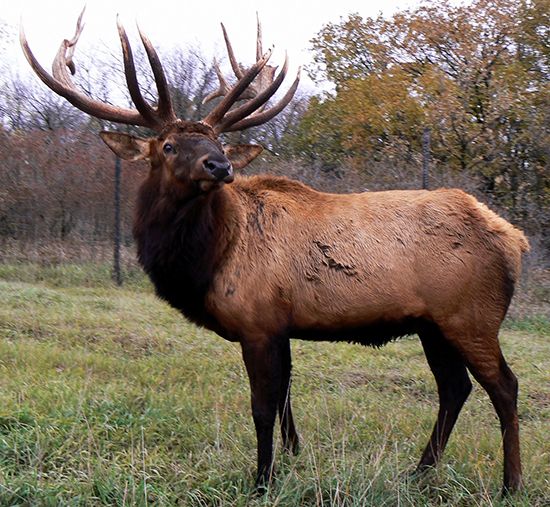
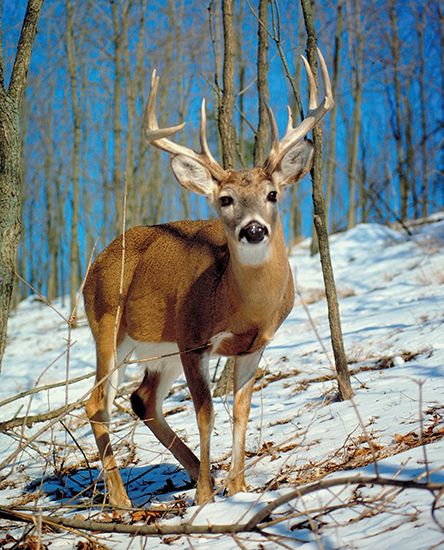
- Large Mammals: The region is home to free-roaming bison, elk, and deer.5
- Other Mammals: Antelope, beavers, bobcats, and porcupines are also present in the area.5
- Small Mammals: Coyotes and cottontail rabbits are common, while prairie dogs and jackrabbits may be found in varying concentrations.5
The Black Hills serve as a vital habitat within the broader landscape of South Dakota, which hosts nearly 300 species of birds and various aquatic life in its river systems.5
What is the significance of Mount Rushmore, and why was it carved in the Black Hills?
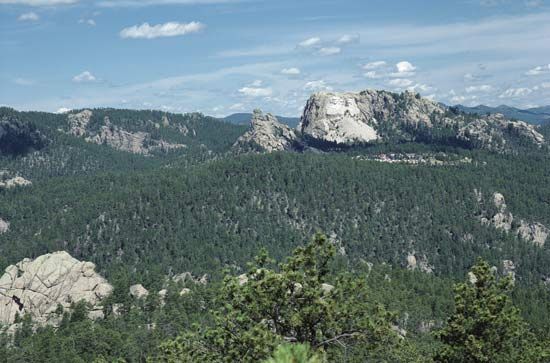
The Mount Rushmore National Memorial is a colossal sculpture featuring the 60-foot-tall faces of U.S. Presidents George Washington, Thomas Jefferson, Theodore Roosevelt, and Abraham Lincoln. Sculptor Gutzon Borglum designed the monument to symbolize the first 150 years of American history: Washington represents the nation’s founding, Jefferson its expansion, Roosevelt its domestic and global development, and Lincoln its preservation during the Civil War.8910
The project was originally proposed in 1923 by state historian Doane Robinson to boost tourism. While Robinson initially suggested carving figures of Native American and Old West personalities into a different rock formation, Borglum rejected that site due to unstable, eroded rock. He selected Mount Rushmore instead because its solid granite face was better suited for such a massive, permanent sculpture. Construction began in 1927 and, despite various challenges, was completed in 1941.8910
How were the Black Hills formed geologically, and what makes them unique?
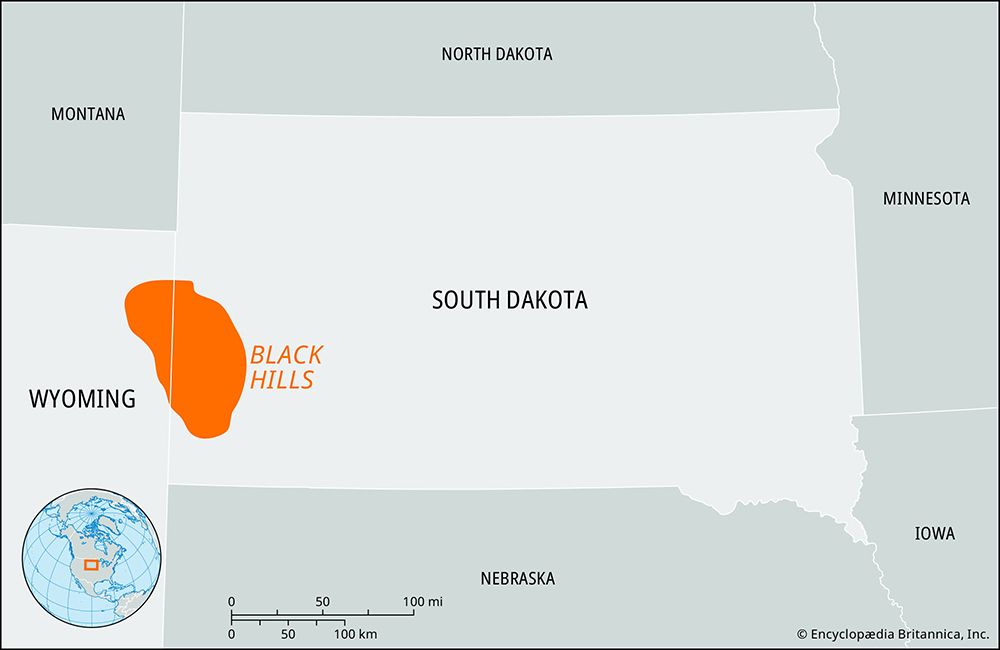
The Black Hills were formed through a geological process of upwarping, which created a dome-shaped uplift of ancient rock rising significantly above the surrounding terrain. Following this uplift, the present-day topography was shaped by the removal of the higher portions of the mountain mass through stream erosion.57
This region is unique for several reasons:
- Topographic Isolation: The Black Hills form an isolated, eroded mountain region that rises approximately 3,000 to 3,500 feet above the surrounding plains.57
- Elevated Status: The range culminates in Black Elk Peak, which, at 7,242 feet (2,207 meters) above sea level, is the highest point in North America east of the Rocky Mountains.7
- Distinctive Appearance: The combination of rounded hilltops, deep valleys, and well-forested slopes creates a dark appearance from a distance, which is the origin of the name “Black Hills”.5
- Geographic Contrast: Unlike the surrounding Great Plains, which are characterized by tablelands and buttes, the Black Hills provide a forested, mountainous environment that stands in stark contrast to the nearby landscape.57
Sources
- South Dakota - Settlement and gold rush — Encyclopædia Britannica
- Oceti Sakowin - The beginning of the struggle for the West — Encyclopædia Britannica
- American frontier - How the West was won — Encyclopædia Britannica
- Lead — Encyclopædia Britannica
- Black Hills — Encyclopædia Britannica
- South Dakota - Plant and animal life — Encyclopædia Britannica
- South Dakota - Relief — Encyclopædia Britannica
- Mount Rushmore National Memorial: Top Questions — Encyclopædia Britannica
- How was Mount Rushmore built? — Encyclopædia Britannica
- Mount Rushmore National Memorial — Encyclopædia Britannica
Published on · 3 min read