Black Walnut
The black walnut (Juglans nigra) is a tall tree native to eastern North America, belonging to the walnut family (Juglandaceae). It is highly valued for its…
What is black walnut?
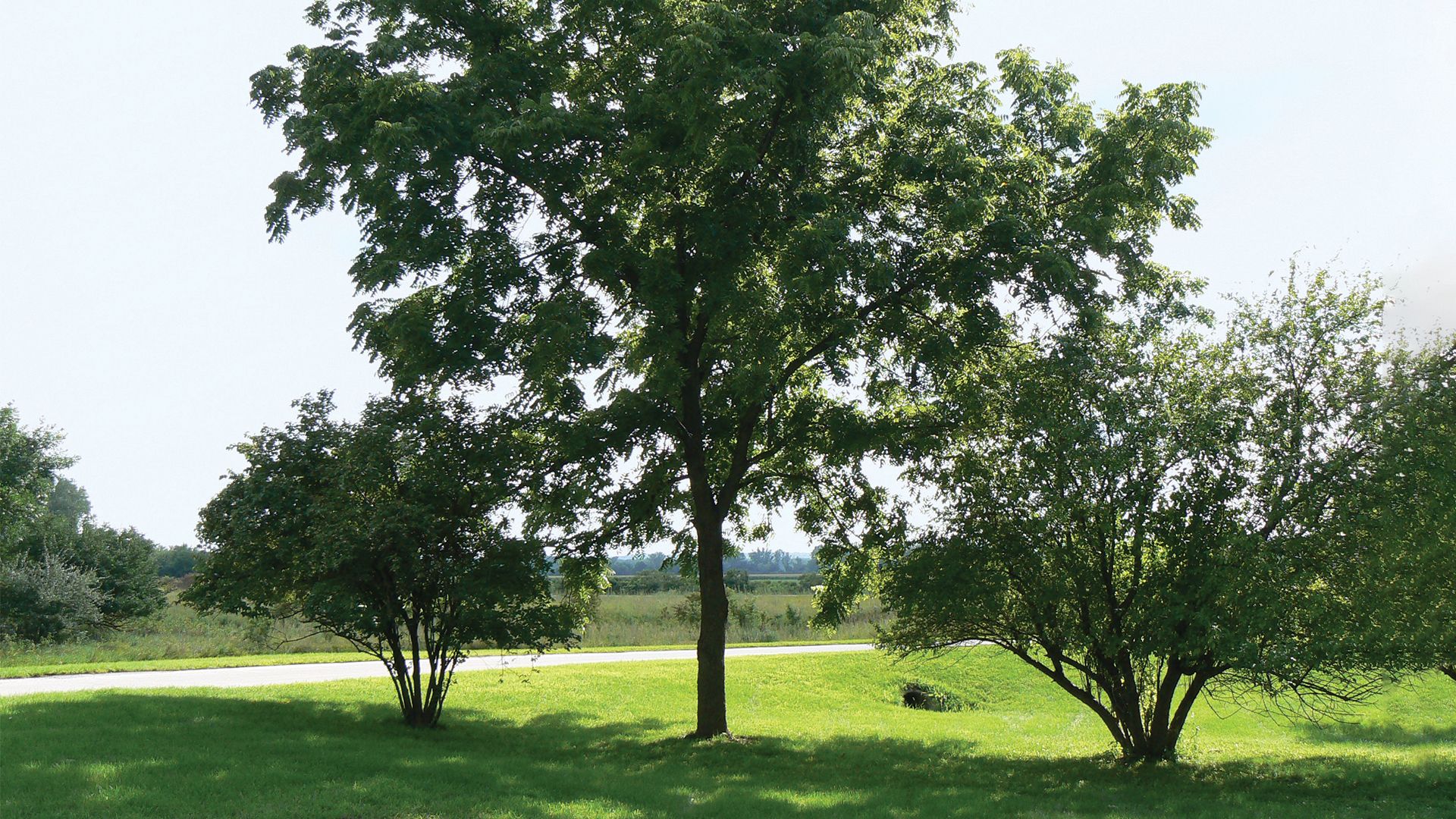
The black walnut (Juglans nigra) is a tall tree native to eastern North America, belonging to the walnut family (Juglandaceae). It is highly valued for its dark, fine-grained wood, which is commonly used in furniture, paneling, and gunstocks.1
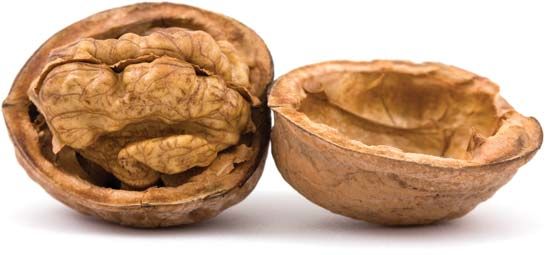
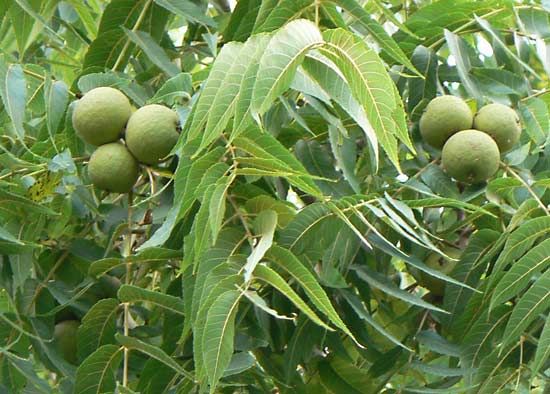
Growing between 20 and 30 meters tall, the tree features deeply furrowed bark and compound leaves. Its fruit is a drupe with a yellow-green hairy husk, containing a nut with a sweet, oily seed. Beyond its timber, the tree is used for ornamental purposes and as a source of dye derived from its husks.1
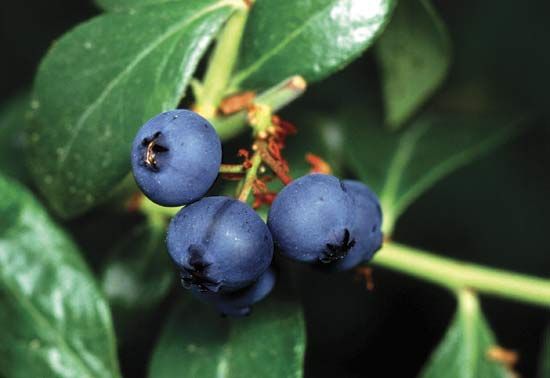
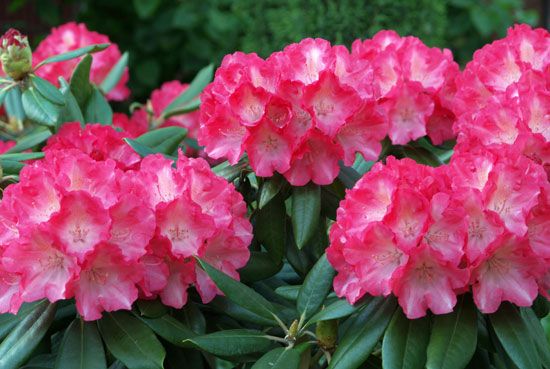
Notably, the roots of the black walnut exude a chemical called juglone, which can inhibit the growth of various food and ornamental plants, such as tomatoes and blueberries. These trees are slow-growing, often living for over 250 years.1

What is the chemical juglone and how does it affect other plants?
Juglone is a chemical compound exuded by the roots of the black walnut tree (Juglans nigra).
Effects on Other Plants
This substance acts as a natural inhibitor that can negatively impact the growth of various surrounding vegetation. By releasing juglone into the soil, the black walnut creates an environment that is often toxic or detrimental to many common food and ornamental plants. Species known to be sensitive to this chemical include:
- Azaleas
- Blueberries
- Tomatoes
- Peppers
Because of this allelopathic property, gardeners and farmers must be cautious when selecting plants to grow in close proximity to black walnut trees, as the chemical can stunt or kill susceptible species.1
How does black walnut wood differ from English walnut wood?
The wood of the black walnut (Juglans nigra) and the English walnut (Juglans regia) are remarkably similar in their characteristics and applications. Both species are highly valued for producing a dark, fine-grained wood that is prized for its durability and aesthetic appeal.341
Because of these shared qualities, the timber from both trees is frequently utilized for the same high-quality woodworking purposes, including:
While the trees themselves differ in their native origins—with the black walnut native to eastern North America and the English walnut native to Iran—their wood is often categorized together in the industry due to their comparable fine-grained nature and utility.314
What are the nutritional benefits of eating black walnuts?
While the black walnut (Juglans nigra) produces a sweet, oily seed that is edible, the provided search results do not contain specific information regarding its nutritional benefits. The literature notes that while the seed is edible, it is of limited commercial importance compared to the English walnut, which is cultivated extensively for its edible seeds.145
Sources
- black walnut — Encyclopædia Britannica
- Juglandaceae — Merriam-Webster
- black walnut — Merriam-Webster
- English walnut — Encyclopædia Britannica
- Walnut — Encyclopædia Britannica
Published on · 2 min read