Blueberry
Blueberry plants are deciduous perennial shrubs belonging to the genus Vaccinium. They grow as simple, alternate-leaved plants that produce clusters of…
How do blueberry plants grow and what are their ideal growing conditions?
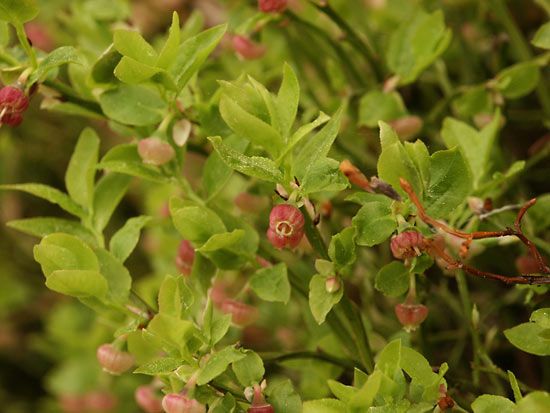
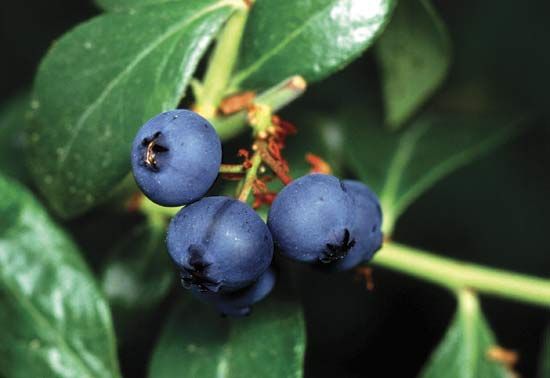
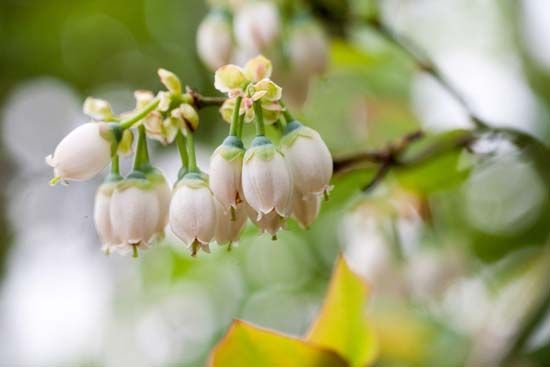
Blueberry plants are deciduous perennial shrubs belonging to the genus Vaccinium. They grow as simple, alternate-leaved plants that produce clusters of small, urn-shaped flowers ranging from white to pale pink. Depending on the variety, these plants can range from 60 cm (24 inches) tall for lowbush types to 4 meters (13 feet) for highbush cultivars.1
Ideal Growing Conditions
To thrive, blueberries require specific environmental conditions:
- Soil: They must be planted in highly acidic, well-drained, and moist soils.1
- Climate: Most species prefer cool climates, though specific varieties like the southern rabbiteye (V. ashei) are adapted to tolerate higher temperatures.1
- Cultivation: While highbush blueberries are the most commonly cultivated species, successful growth depends on maintaining these precise soil and temperature requirements.1
Growers should also be aware of potential pests, such as blueberry thrips, which can damage foliage and reduce fruit yields.2
What are the different varieties of blueberry plants and how do they differ?
Blueberry plants, belonging to the genus Vaccinium, are categorized into several distinct types based on their size, native climate, and cultivation needs. The primary varieties include:
- Highbush Blueberries (Vaccinium corymbosum): These are the most commonly cultivated species, featuring over 50 cultivars. They are the largest variety, reaching up to 4 meters (13 feet) in height, and are grown extensively in regions like Michigan, Oregon, and New Jersey.3
- Lowbush Blueberries (Vaccinium angustifolium): These are significantly smaller than their highbush counterparts, typically growing to only about 60 cm (24 inches) in height.3
- Rabbiteye Blueberries (Vaccinium ashei): Native to the southeastern United States, this variety is distinct for its ability to tolerate higher temperatures compared to other types. It is frequently grown commercially, particularly for the canning industry.13
While these varieties differ in stature and environmental tolerance, they all share the need for highly acidic, well-drained, and moist soils to thrive.3
What are the nutritional benefits of blueberries and their role in a healthy diet?
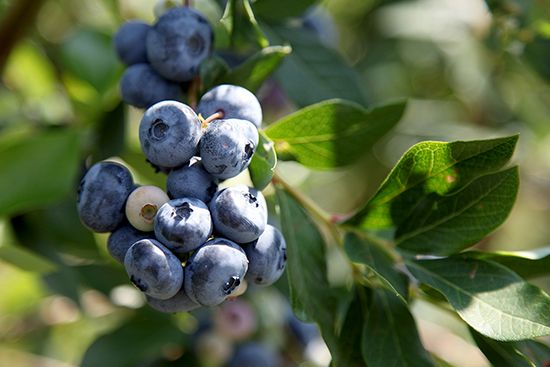
Blueberries are widely recognized as a “superfood” due to their impressive nutritional profile, making them a valuable addition to a healthy diet. They are an excellent source of essential nutrients, including dietary fibre, vitamin C, vitamin K, manganese, and iron.14
Beyond these vitamins and minerals, blueberries are packed with antioxidants, most notably anthocyanins. Research suggests that regular consumption of these berries may offer significant health benefits, including:
- Cardiovascular Health: Helping to reduce the risk of heart attacks.4
- Disease Prevention: Assisting in the fight against cancer.14
- Cognitive Function: Potentially helping to ward off cognitive decline.4
These versatile fruits can be easily incorporated into a balanced diet by eating them fresh, blending them into smoothies, or using them in various baked goods.14
What are the differences between lowbush and highbush blueberries?
The primary differences between lowbush and highbush blueberries lie in their physical stature and their roles in cultivation.
- Physical Size: The most notable distinction is height. Lowbush blueberries (Vaccinium angustifolium) are small, deciduous perennial shrubs that typically reach only 60 cm (24 inches) in height. In contrast, highbush blueberries (Vaccinium corymbosum) are significantly larger, growing up to 4 metres (13 feet) tall.5
- Cultivation: Highbush blueberries are the most commonly cultivated species, featuring over 50 cultivars that are grown extensively in regions such as Michigan, Oregon, Maine, and New Jersey. While both types belong to the genus Vaccinium and share a requirement for highly acidic, moist, and well-drained soils, the highbush variety is the primary source of most commercially cultivated blueberries.51
Sources
- Blueberry — Encyclopædia Britannica
- blueberry thrips — Merriam-Webster
- rabbiteye — Merriam-Webster
- Nutritional Powerhouses: 8 Foods That Pack a Nutritional Punch — Encyclopædia Britannica
- highbush blueberry — Merriam-Webster
Published on · 3 min read