Blackberry
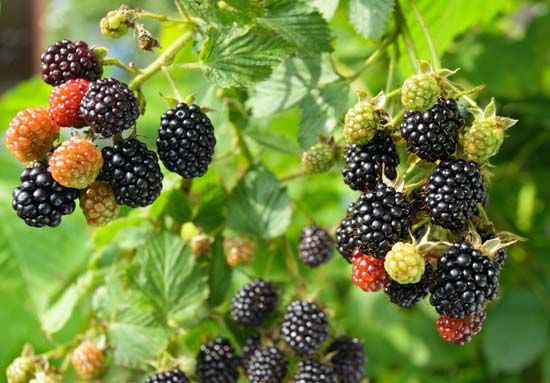
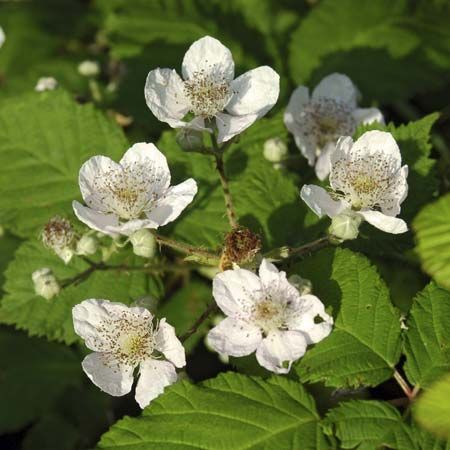
A blackberry is a prickly, fruit-bearing bush belonging to the genus Rubus within the rose family, Rosaceae Rubus within the rose family, Rosaceae.
What is a blackberry and which plant family does it belong to?
A blackberry is a prickly, fruit-bearing bush belonging to the genus Rubus within the rose family, Rosaceae Rubus within the rose family, Rosaceae.1
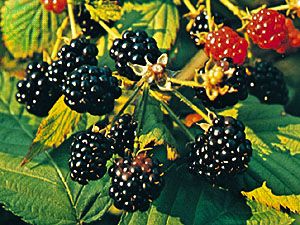
While commonly referred to as a berry, the blackberry is botanically classified as an aggregate of drupelets. A key characteristic that distinguishes it from its close relative, the raspberry, is that the blackberry’s drupelets remain attached to a juicy white core when picked, whereas a raspberry’s fruit is hollow because it separates from the core. These plants typically feature biennial canes covered in prickles and produce dark, edible fruits that are rich in vitamin C, iron, and antioxidants.23
What are the nutritional benefits of eating blackberries?
Blackberries are a nutritious addition to a diet, serving as a valuable source of several essential nutrients. They are recognized as a fairly good source of the following:
- Vitamin C: An essential nutrient that supports immune function and skin health.1
- Iron: A vital mineral necessary for the production of hemoglobin, which carries oxygen in the blood.1
- Antioxidants: Compounds that help protect the body’s cells from damage caused by free radicals.1
Because of their flavor and nutritional profile, blackberries are commonly enjoyed fresh, incorporated into preserves, or used as ingredients in various baked goods, such as pies and cobblers.1
What are some common varieties of blackberries?
While there are tens of thousands of blackberry hybrids and segregates, the genus Rubus includes several notable species often encountered in the wild or in cultivation. Some common examples include:
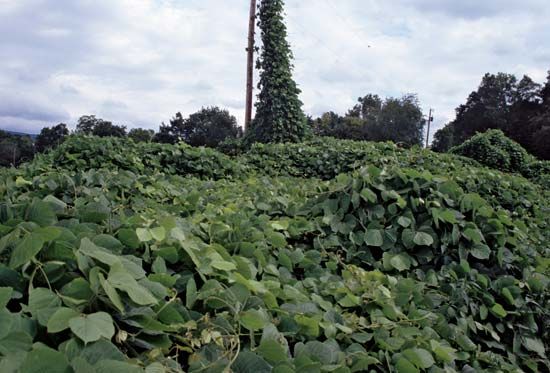
- Cutleaf, or evergreen, blackberry (Rubus laciniatus): A species known for its distinctively lobed leaves. It is widely recognized as an invasive species in many regions due to its rapid spread via animal-mediated seed dispersal and vegetative reproduction.1
- Himalayan blackberry (R. armeniacus): Another prominent invasive species that spreads aggressively, often outcompeting native vegetation in temperate regions.1
In addition to these species, modern agricultural development has introduced various thornless blackberry varieties, which were bred to eliminate the prickles typically found on the canes of wild plants, making them easier to manage and harvest.1
What is the difference between blackberries and raspberries?
While both blackberries and raspberries belong to the genus Rubus within the Rosaceae family, they are distinguished primarily by how their fruit develops and is harvested.
Technically, both fruits are aggregates of drupelets—small, fleshy stone fruits—rather than true berries. The key difference lies in the core:
- Blackberries: When you pick a blackberry, the drupelets remain attached to a juicy, edible white core that comes off the plant with the fruit.
- Raspberries: When you pick a raspberry, the fruit separates from the plant, leaving the core behind on the stem. This results in the characteristic hollow center found in raspberries.
Additionally, while both plants are brambles with biennial canes often armed with prickles, their growth habits and propagation methods can vary by species and cultivar. Both are valued for their nutritional content, including iron, vitamin C, and antioxidants.
Sources
- Blackberry — Encyclopædia Britannica
- blackberry — Merriam-Webster
- Raspberry — Encyclopædia Britannica
- Elderberry — Encyclopædia Britannica
- Rosaceae — Encyclopædia Britannica
Published on · 2 min read