Invasive Species
Scientists identify potential invasive species by analyzing whether an organism possesses a competitive advantage over indigenous species in a new…
How do scientists predict which species might become invasive in new environments?
Scientists identify potential invasive species by analyzing whether an organism possesses a competitive advantage over indigenous species in a new environment. While many introduced species fail to survive due to a lack of necessary adaptations, those that become invasive often thrive because the new ecosystem lacks natural predators to keep their populations in check.1
Ecologists also monitor environmental shifts, such as climate change, which can create new opportunities for species to colonize habitats previously off-limits to them. For instance, rising atmospheric carbon dioxide levels have been shown to enhance the growth and reproductive success of certain botanical invaders. Because predicting and managing these invasions is complex and often expensive, scientists emphasize that the most effective strategy is preventing the initial introduction of exotic species through rigorous inspection at ports and international borders.23
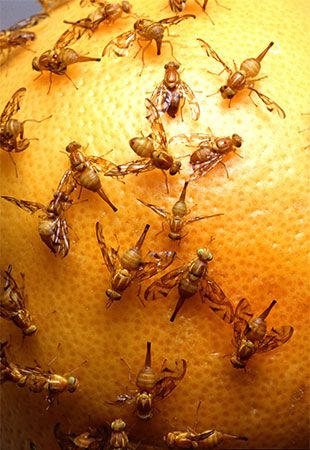
How do invasive species differ from naturalized species?
The primary distinction between naturalized species and invasive species lies in their impact on the environment. While both are nonnative organisms that have successfully established self-sustaining populations in a new habitat, their ecological consequences differ significantly.1
- Naturalized Species: These are introduced organisms that have adapted to a new environment and are able to reproduce and survive without human intervention. They become a permanent part of the local flora or fauna but generally do not cause significant disruption to the existing ecosystem or displace native species.1
- Invasive Species: These are nonnative species that not only establish themselves but also cause harm. They significantly modify or disrupt the ecosystems they colonize, often by outcompeting native species for food, living space, or other resources. Because they frequently lack natural predators in their new environment, they can spread rapidly, reduce local biodiversity, and cause economic damage.14
In essence, while a naturalized species integrates into the ecosystem, an invasive species acts as a disruptive force that can lead to the decline or localized extinction of native populations.1
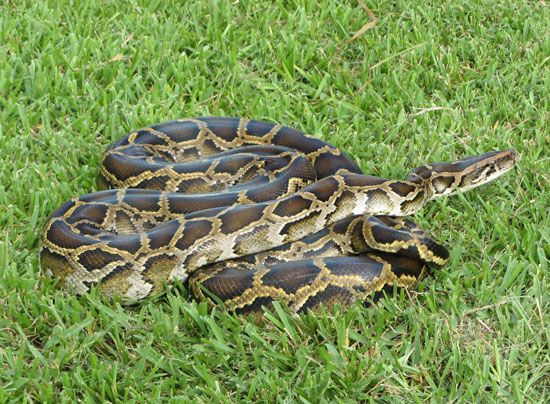
How do invasive species affect biodiversity in their new habitats?
Invasive species significantly reduce biodiversity by disrupting the delicate balance of the ecosystems they colonize. Because these species often possess a competitive advantage—such as a lack of natural predators—they can establish thriving populations that overwhelm indigenous species.1
The impact on biodiversity manifests in several destructive ways:
- Resource Competition: Invasive species frequently outcompete native organisms for essential resources, including food, water, and living space. Over time, this can lead to the displacement or localized extinction of native species.1
- Predation: Invasive predators can be so efficient at hunting that they cause rapid declines in prey populations, sometimes eliminating entire species from an area.1
- Disease Transmission: Many invasive organisms act as disease vectors, introducing parasites and pathogens that native species are not equipped to handle, further destabilizing the environment.1
Ultimately, these invasions transform ecosystems, often replacing diverse native communities with a smaller number of dominant, nonnative species, which diminishes the overall biological richness of the habitat.1
Are there any positive effects of invasive species on ecosystems?
While invasive species are defined by their tendency to disrupt and modify ecosystems, they are sometimes introduced with the intention of providing a perceived benefit, though these efforts often result in unintended negative consequences.
Historically, humans have introduced nonnative species to serve specific roles, such as:
- Pest and Weed Control: Some species were introduced to manage other organisms. For example, the red fox was brought to Australia to control European wild rabbits, and the brown tree snake was introduced to Pacific islands to manage rodent populations. Similarly, herbivorous insects have been released as a form of biological control to manage invasive weeds like purple loosestrife.16
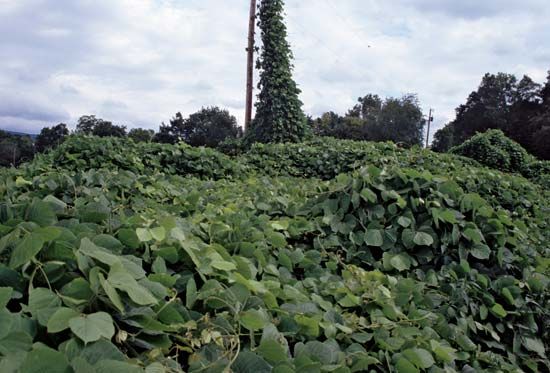
- Utility and Agriculture: Species have been introduced to support human needs, such as sugarcane protection (cane toads) or erosion control and decoration (kudzu).1
However, these interventions frequently fail to produce positive ecological outcomes. Instead, they often exacerbate environmental degradation, as the introduced species frequently lack natural predators and become invasive themselves, leading to the decline of native biodiversity and the disruption of local food chains.21
Sources
- invasive species — Encyclopædia Britannica
- invasive species - Solutions — Encyclopædia Britannica
- conservation - Removing invasive species — Encyclopædia Britannica
- invasive — Merriam-Webster
- ecological disturbance - Management implications — Encyclopædia Britannica
- invasive species - A global problem — Encyclopædia Britannica
Published on · 3 min read