Boa Vista Island
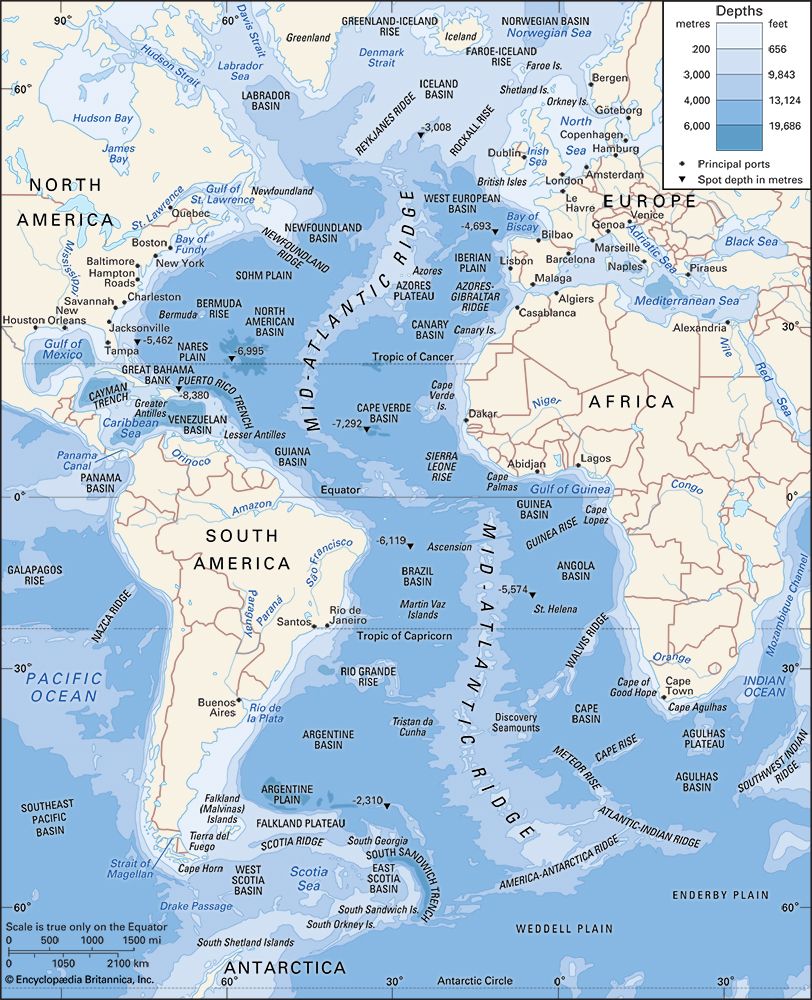
Boa Vista Island is the easternmost island of Cape Verde, located in the Atlantic Ocean approximately 300 miles (500 km) off the coast of West Africa. It is…
What is Boa Vista Island?
Boa Vista Island is the easternmost island of Cape Verde, located in the Atlantic Ocean approximately 300 miles (500 km) off the coast of West Africa. It is part of the Barlavento Islands, a northern island group characterized by a generally barren landscape and a hot, drought-prone climate.12
Covering an area of 239 square miles (620 square km), the island reaches an elevation of 1,269 feet (387 meters). Its primary town, Sal Rei, is situated on the northwest coast. Historically, the island’s economy has been supported by the production of salt and archil, a plant used to create a violet dye.1
What are the Barlavento Islands?
The Barlavento Islands (Windward Islands) constitute the northern group of the Cape Verde archipelago, located in the Atlantic Ocean off the coast of West Africa.35
The group consists of the following islands and islets:
- Santo Antão
- São Vicente
- Santa Luzia (the only uninhabited island in the group)
- São Nicolau
- Sal
- Boa Vista
- The islets of Raso and Branco35
Geographically, the Barlavento Islands are characterized by a generally barren landscape and a hot, dry climate. The region frequently experiences persistent drought conditions due to consistently low levels of precipitation. They are distinguished from the southern Sotavento Islands, which complete the archipelago.35
How does the climate of Cape Verde affect its islands?
The climate of Cape Verde is generally moderate and stable, but it is defined by extreme aridity and unpredictable precipitation. The archipelago is profoundly influenced by the intertropical convergence zone (ITCZ), a belt of converging trade winds.1
The islands’ climate affects them in several key ways:
- Precipitation and Topography: Rainfall is highly variable and depends on the northward progression of the ITCZ. On more mountainous islands, higher elevations can capture moisture, supporting grasses and pine plantations. Conversely, leeward slopes experience a rain-shadow effect, leading to desert conditions where vegetation is sparse and primarily consists of thorny or toxic shrubs.16
- Water Scarcity: Persistent drought and low rainfall levels characterize the Barlavento Islands, which are notably barren. This scarcity of water limits the diversity of land-based wildlife and restricts agriculture to high elevations or intensive terracing in valleys.36
- Storm Formation: The clashing fronts near the islands generate hurricanes that travel westward across the Atlantic Ocean.1
What is the history of the Cape Verde archipelago?
The history of the Cape Verde archipelago is marked by its role as a colonial hub and its eventual transition to an independent nation.
Early and Colonial History
While there is no conclusive evidence of permanent habitation before the 15th century, Portuguese navigators began reporting on the islands in the mid-1400s. Settlement began in 1462 on São Tiago, where the city of Ribeira Grande was founded. The islands became a vital entrepôt for the transatlantic slave trade, serving as a center for exchanging European goods for enslaved people destined for the New World.10
The islands’ prosperity fluctuated due to pirate attacks, shifting trade monopolies, and recurrent droughts. By the 19th century, the decline of the slave trade and environmental challenges led to economic hardship and significant emigration. A brief period of optimism occurred in the mid-1800s when Mindelo served as a strategic coaling station for oceanic vessels.10
Independence and Modern Era
Full independence was achieved on July 5, 1975. Initially linked with Guinea-Bissau, the country transitioned to a one-party state before adopting a multi-party system in 1991. Since then, the nation has navigated economic challenges, including reliance on foreign aid and the impact of the COVID-19 pandemic on its tourism-driven economy.11
Sources
- Boa Vista Island — Encyclopædia Britannica
- list of islands - Cabo Verde — Encyclopædia Britannica
- Barlavento Islands — Encyclopædia Britannica
- São Nicolau Island — Encyclopædia Britannica
- Cabo Verde - Land — Encyclopædia Britannica
- Cabo Verde - Climate — Encyclopædia Britannica
- Senegal - Climate of Senegal — Encyclopædia Britannica
- Liberia - Climate — Encyclopædia Britannica
- Cabo Verde - Plant and animal life — Encyclopædia Britannica
- Cabo Verde - Early and colonial history — Encyclopædia Britannica
- Cabo Verde - Independence — Encyclopædia Britannica
- Guinea-Bissau - Cultural milieu — Encyclopædia Britannica
Published on · 3 min read