Bookworm
The term "bookworm" has two distinct meanings, one literal and one figurative.
What is bookworm?
The term “bookworm” has two distinct meanings, one literal and one figurative.
Literal Meaning
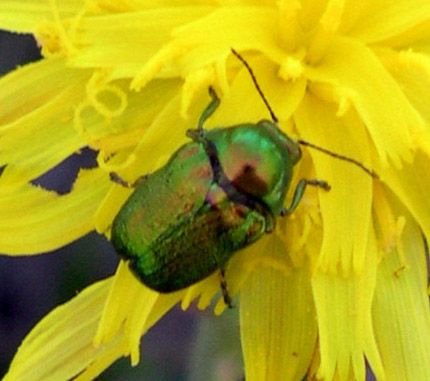
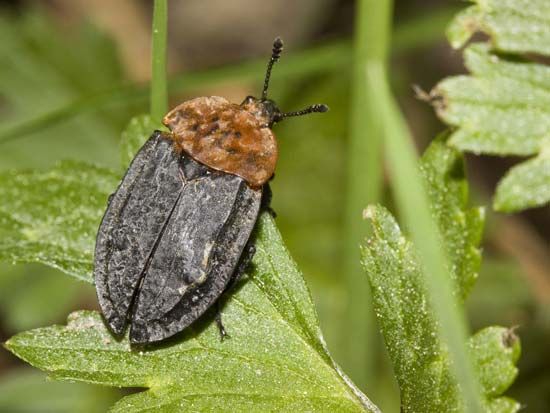
In an entomological sense, a bookworm refers to the larvae of various insects—such as certain beetles and moths—that damage books by feeding on their bindings, paste, and paper. While this is the original definition, it is rarely used in this context by modern entomologists.12
Figurative Meaning
More commonly, a bookworm is a person who is unusually devoted to reading and study. Historically, the term originated in the Elizabethan era as a derogatory insult, comparing a reader to a “worm” or a wretch. Over time, the connotation has shifted significantly; while it still implies an intense or “unusual” focus on books, it is now widely viewed as a positive descriptor of someone’s passion for literature.32
What is the difference between a bookworm and a bibliophile?
While both terms describe individuals with a strong affinity for books, they carry different connotations and nuances regarding their relationship with reading and study.
Bookworm
A bookworm is defined as a person who is unusually devoted to reading and study. Historically, the term originated in the Elizabethan era as a derogatory insult, implying that a person was “addicted” to reading or lacked judgment in their selection of material. While it is now widely used as a more positive descriptor of someone’s passion for literature, it still carries a nuance of intense, sometimes solitary, focus on the act of reading itself.35
Bibliophile
A bibliophile is someone who is keenly devoted to books, often emphasizing an appreciation for the physical object. Unlike the “bookworm,” who is primarily defined by the act of reading, a bibliophile frequently values the tactile pleasure of books, such as their binding, design, or rarity. The term is generally associated with a refined interest in book collecting and the aesthetic or historical qualities of volumes.27
Which specific insects are most harmful to library collections?
Various insects are known to damage library collections by feeding on paper, bindings, and the starchy pastes used in book construction. While no single species is exclusively termed a “bookworm,” several insects are frequently responsible for this destruction:
- Silverfish: Members of the order Thysanura, these are among the most widely recognized pests that damage books.1
- Booklice: Belonging to the order Psocoptera, these insects are common culprits in library environments.1
- Beetles: Several beetle species, including the drugstore beetle, the cigarette beetle, and the spider beetle (family Ptinidae), are known to consume book materials.15
- Moths: The larvae of certain moths, such as the brown house moth, can cause significant harm to pages and bindings.15
- Other Pests: Termites and roaches are also frequently identified as harmful to library collections.1
These insects typically target the dry, starchy materials found within books, leading to pierced pages and compromised structural integrity.15
How do libraries protect books from insect damage?
Libraries protect their collections from damage through a strategy known as integrated pest management (IPM). This approach prioritizes ecologically harmonious methods to keep infestations within manageable limits while minimizing the use of harmful chemical pesticides.910
Key components of this strategy include:
- Monitoring and Prevention: Libraries focus on creating environments that inhibit pest proliferation, often by controlling humidity and temperature to make conditions less hospitable for insects.10
- Biological and Physical Controls: Rather than relying on chemicals, libraries may utilize traps baited with pheromones to detect and manage pest populations.10
- Minimal Chemical Intervention: Chemical insecticides are considered a last resort, used only when other methods are insufficient to protect the cultural heritage housed within the collection.1110
By balancing these techniques, institutions aim to preserve materials for future generations while avoiding the ecological risks associated with heavy chemical use.1110
Sources
- bookworm — Encyclopædia Britannica
- bookworm — Merriam-Webster
- bibliophile — Merriam-Webster
- bookworm — Merriam-Webster
- Is 'bookworm' positive or negative? — Merriam-Webster
- bookworms — Merriam-Webster
- bibliophiles — Merriam-Webster
- booklover — Merriam-Webster
- library - Preservation — Encyclopædia Britannica
- integrated pest management — Merriam-Webster
- Integrated pest management — Encyclopædia Britannica
Published on · 3 min read