Casebearer
The term casebearer refers to the larva of certain moth species within the family Coleophoridae. These larvae are known for constructing protective…
What is casebearer?
The term casebearer refers to the larva of certain moth species within the family Coleophoridae. These larvae are known for constructing protective cases—often made from leaves, twigs, silk, and excrement—which they carry with them for camouflage and protection as they feed on trees such as apple, birch, cherry, and willow. After hatching, they initially feed as leaf miners before transitioning to this case-bearing lifestyle, with their cases often taking shapes ranging from cigars to pistols.1
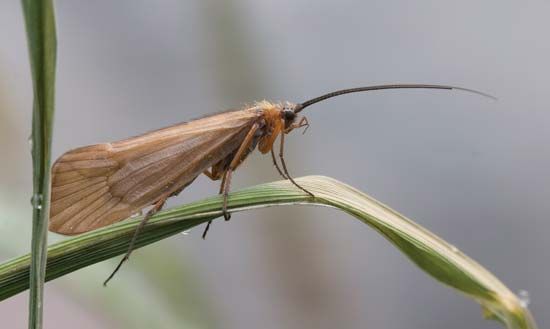
It is important to note that the term is also used more broadly to describe other insects that construct protective cases. For example, certain caddisfly larvae also build tubular cases out of sand grains or vegetable debris to protect their bodies while they move through aquatic environments. While both groups utilize cases for defense, they belong to different biological orders and occupy different habitats.21
How do casebearer larvae use silk to construct their protective cases?
Casebearer larvae, belonging to the family Coleophoridae, utilize silk as a fundamental structural component when constructing their protective cases. As these larvae transition from their initial phase as leaf miners to their case-bearing lifestyle, they incorporate silk alongside materials such as leaves, twigs, and excrement to build shelters that provide both camouflage and protection from the elements and predators.1
The silk serves as a binding agent, often lining the interior of the case to create a secure environment. In the broader context of Lepidoptera, larvae produce silk through specialized glands, using it not only for these protective cases but also to create threads that provide an unshakable grip on the surfaces where they feed. While the casebearer’s case is a mobile shelter used during the larval stage, it is distinct from the cocoon, which is a separate structure spun later in the life cycle to protect the larva during its transformation into a pupa.456
What is the difference between a leaf miner and a casebearer stage?
In the life cycle of moths within the family Coleophoridae, the terms “leaf miner” and “casebearer” describe two distinct developmental stages and feeding behaviors of the same larva.
- Leaf Miner Stage: Immediately after hatching from the egg, the larva begins its life as a leaf miner. In this phase, the insect is adapted to live and feed inside the tissue of a leaf. Because they reside within the flat, confined space of the leaf, these larvae are typically very small, greatly flattened, and often legless.19
- Casebearer Stage: As the larva grows, it transitions into the casebearer stage. During this phase, the insect constructs a protective, mobile shelter—or case—using materials such as leaves, twigs, silk, and excrement. Unlike the leaf miner stage, the larva now lives within this case, which it attaches to branches, fruits, or leaves. The larva protrudes from the case to feed, using the structure for camouflage and protection from predators and the elements.1
While leaf miners are specialized for internal feeding, the casebearer stage represents a shift toward a more mobile, external lifestyle protected by a portable home.1
Are there other insects besides moths that build protective cases?
Yes, several insect groups beyond moths have evolved the behavior of constructing or wearing protective cases and camouflage to survive. These structures often serve as armor, camouflage, or a means to regulate their environment.3
Insects That Build or Wear Protective Cases
- Caddisflies (Order Trichoptera): Many aquatic caddisfly larvae spin tubular cases using silk produced from glands near their mouths. They reinforce these cases with sand, pebbles, or plant debris. These cases provide stability in water currents and protection from predators.123
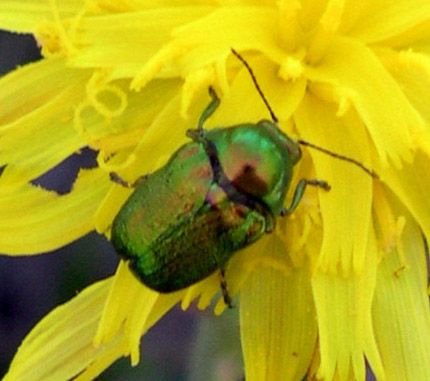
- Casebearing Leaf Beetles (Subfamily Cryptocephalinae and Lamprosomatinae): These beetles create cases starting from birth; the female covers her eggs in excrement, which the larvae retain and expand upon throughout their development. The resulting case helps them resemble droppings, allowing them to be ignored by predators.313
- Tortoise Beetles: Certain larvae in this subfamily create a “fecal shield” by attaching their own shed exoskeletons and fecal matter to spines on their hind ends, creating a protective umbrella.3
- Green Lacewings: Known as “trash bugs,” these larvae use hooked bristles on their backs to carry an eclectic collection of debris, including lichen, sand, and the remains of their prey, to create a portable camouflage cloak.3
- Assassin Bugs: Certain species, such as the masked hunter, use sticky hairs on their bodies to collect lint, dust, and soil for camouflage. Others glue the corpses of their prey to their backs to distort their outlines and confuse predators.3
- Spittlebugs: These froghoppers secrete a fluid mixed with air bubbles to create a “bubble blanket” or foam nest, which protects the soft-bodied nymph from drying out and hides it from enemies.3
Sources
- casebearer — Encyclopædia Britannica
- homopteran - Annotated classification — Encyclopædia Britannica
- caddisfly - Life cycle — Encyclopædia Britannica
- Lepidoptera - Larva, or caterpillar — Encyclopædia Britannica
- sericulture — Encyclopædia Britannica
- casebearer — Merriam-Webster
- larch casebearer — Merriam-Webster
- Cocoon — Encyclopædia Britannica
- Coleophora — Merriam-Webster
- Coleoptera - General features — Encyclopædia Britannica
- Coleoptera - Larval features — Encyclopædia Britannica
- bagworm moth — Encyclopædia Britannica
- Insects That Wear Things — Encyclopædia Britannica
- insect - Protection from enemies — Encyclopædia Britannica
- casebearing leaf beetle — Encyclopædia Britannica
- Coleoptera - Protection — Encyclopædia Britannica
Published on · 4 min read