Bora-Bora
Bora Bora is a premier destination in French Polynesia known for its stunning natural beauty and status as a hub for tourism. Visitors are primarily drawn to…
What are some of the most popular activities and attractions for visitors to Bora Bora?
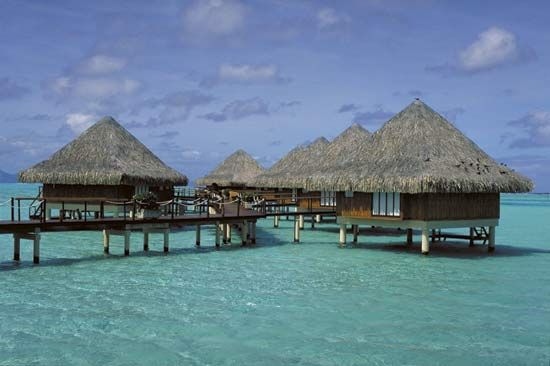
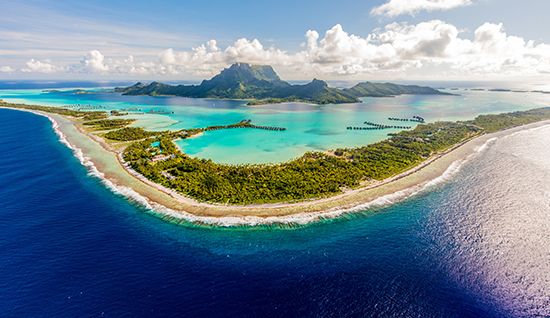
Bora Bora is a premier destination in French Polynesia known for its stunning natural beauty and status as a hub for tourism. Visitors are primarily drawn to the island’s iconic lagoon, which is protected by surrounding coral reefs and smaller islets like Toopua and Toopua Iti.1
Key activities and attractions include:
- Water-based recreation: The spacious harbour within the lagoon is a popular destination for yachtsmen.1
- Scenic exploration: The island features dramatic topography, including the prominent Mount Otemanu and the twin-peaked Mount Pahia, which offer striking views of the landscape.1
- Cultural and historical sites: Travelers often visit Vaitape, the island’s principal village and administrative centre, to experience local life. Additionally, the airport located on the islet of Mute serves as a reminder of the island’s strategic role during World War II.1
What is the climate like in Bora Bora throughout the year?
Bora Bora, located in French Polynesia, experiences a tropical climate characterized by warm and humid conditions throughout the year.2
Seasonal Patterns
- Rainy Season: A warm, rainy season occurs from November to April.2
- Dry Season: A relatively cool, dry season lasts from May to October.2
Temperature and Humidity
Temperatures remain consistent throughout the year, with only slight variations. While specific data for Bora Bora is part of the broader regional climate, temperatures in French Polynesia generally hover around an annual average of 79 °F (26 °C). Relative humidity remains high, typically ranging between 80 and 90 percent.2
Winds and Precipitation
The islands are situated within the trade-wind zone. Dominant winds blow from the north and northeast, shifting toward the southeast between May and October. Precipitation is generally abundant, often arriving in the form of intense rainstorms, though local variations occur based on windward exposure.2
Where is Bora Bora located and what are its unique geographical features?
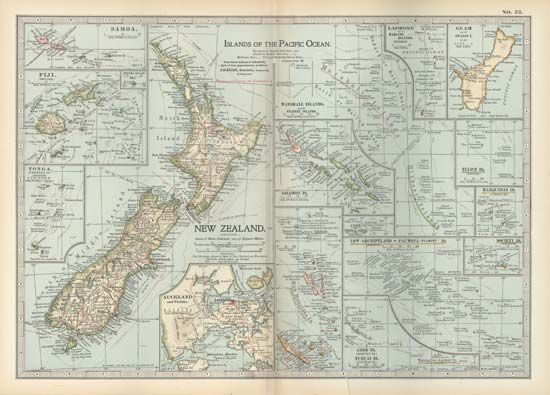
Bora Bora is a volcanic island situated in the central South Pacific Ocean, approximately 165 miles (265 km) northwest of Tahiti. It is part of the Îles Sous le Vent (Leeward Islands) within the Society Islands of French Polynesia.14
The island features several unique geographical characteristics:
- Volcanic Topography: Formed from ancient volcanic activity, the island is defined by two prominent peaks: Mount Otemanu, reaching 2,385 feet (727 meters), and the twin-peaked Mount Pahia, reaching 2,159 feet (658 meters). These mountains drop abruptly toward the coast.14
- Lagoon and Reefs: The island is surrounded by coral reefs that protect a large, scenic lagoon. Within this lagoon, smaller islets such as Toopua and Toopua Iti create a sheltered, spacious harbour.14
- Dimensions: The island is relatively compact, measuring approximately 6 miles (10 km) long and 2.5 miles (4 km) wide, with a total land area of 14.7 square miles (38 square km).1
How has Bora Bora’s economy changed over the past century, from traditional industries to modern tourism?
Over the past century, Bora Bora’s economy has transitioned from a reliance on traditional agriculture and maritime resources to a modern economy driven primarily by tourism.1
Historically, the island’s economy was rooted in the production of copra, vanilla, and mother-of-pearl. While these products remain part of the local landscape, their overall economic significance has declined significantly across French Polynesia, where agriculture now contributes only a small portion to the gross domestic product.16
A major turning point occurred during World War II, when the construction of an Allied naval base and an airfield on the islet of Mute provided critical infrastructure. This development laid the groundwork for the island’s future accessibility. In the mid-20th century, the broader region saw significant upgrades to transportation, including the expansion of air services to the Îles Sous le Vent, which facilitated the growth of the tourism sector. Today, tourism serves as the primary economic engine for Bora Bora.16
Sources
- Bora-Bora — Encyclopædia Britannica
- French Polynesia - Climate of French Polynesia — Encyclopædia Britannica
- Tonga - Climate — Encyclopædia Britannica
- French Polynesia - Relief — Encyclopædia Britannica
- lagoon - Coral lagoons — Encyclopædia Britannica
- French Polynesia - Economy of French Polynesia — Encyclopædia Britannica
Published on · 3 min read