Bottlenose Dolphin
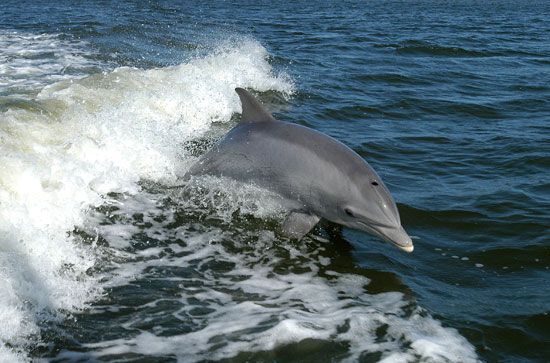
Bottlenose dolphins (genus Tursiops) are marine mammals characterized by several distinct physical features:
What are the key physical characteristics of bottlenose dolphins?
Bottlenose dolphins (genus Tursiops) are marine mammals characterized by several distinct physical features:
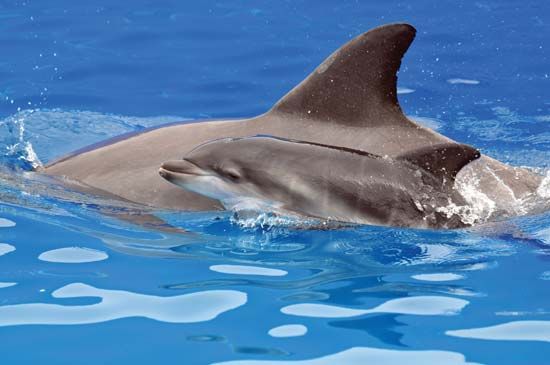
- Snout and Mouth: They are named for their bottle-shaped snout, often referred to as a prominent beak. The curvature of their mouth gives them a signature “built-in smile”.12
- Size: These dolphins typically reach lengths of 1.8 to 3.6 meters (6 to 12 feet) and weigh between 135 and 300 kg (300 to 650 pounds), with males generally growing larger than females.12
- Coloration: They are typically gray in color.2
- Fins: They possess a falcate (curved) dorsal fin.2
- Sensory Adaptations: While they lack traditional taste buds, they possess a specialized sense called quasi-olfaction, which functions through pits located at the back of the tongue to detect chemical qualities in their environment. They also utilize echolocation by emitting clicking sounds to interpret their surroundings.34
What cognitive abilities have scientists observed in bottlenose dolphins?
Scientists have observed remarkable cognitive abilities in bottlenose dolphins, highlighting their high level of intelligence. Key findings include:
- Self-Awareness: Dolphins demonstrate self-recognition by identifying their reflections in mirrors, a trait rarely seen outside of humans, great apes, and elephants.21
- Social Memory: They possess the longest social memory of any nonhuman species, capable of recognizing the unique “signature whistles” of individuals they have not encountered for over 20 years.21
- Communication and Tool Use: Dolphins use echolocation to navigate and communicate via complex whistles. They also exhibit tool use, such as “sponging,” where they wear marine sponges on their snouts to protect them while foraging.2
- Adaptability and Problem Solving: They learn through observation and training, solve complex problems, and engage in cooperative behaviors, such as shared calf-rearing and forming alliances.2
- Self-Medication: Some populations have been observed rubbing against specific corals and sponges to access antimicrobial compounds1.
How do bottlenose dolphins adapt to different marine environments?
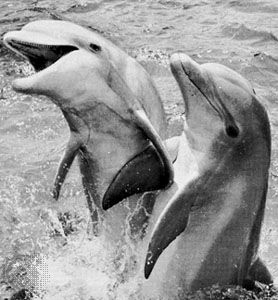
Bottlenose dolphins (Tursiops) exhibit remarkable adaptability, allowing them to thrive in diverse marine environments ranging from warm, temperate seas to coastal shelf areas. Their ability to navigate and survive in these varied habitats is supported by several key behavioral and physical strategies:21
- Tool Use for Foraging: To overcome environmental challenges, some populations have developed specialized tool-use behaviors. For example, dolphins in Shark Bay, Australia, practice “sponging,” where they place marine sponges on their snouts to protect them from abrasion while scouring the seafloor for prey. Similarly, “shelling” involves using large gastropod shells to trap fish.51
- Sensory Navigation: Dolphins utilize echolocation to interpret their surroundings, emitting rapid clicking noises that allow them to navigate and locate food in murky or complex underwater environments.51
- Social Flexibility: Their social structures are highly adaptable. Dolphins live in pods with flexible membership, allowing them to form long-term bonds while adjusting group size based on environmental needs. This includes cooperative behaviors like shared calf-rearing and male alliances for mating and defense.5
- Self-Medication: Some dolphins adapt to their biological environment by rubbing against specific corals and sponges to access antimicrobial compounds that help maintain their health.2
What are some of the biggest threats to bottlenose dolphin populations in the wild?
Bottlenose dolphin populations face several significant threats in the wild, primarily driven by human activity and environmental degradation. While they are currently classified as a species of least concern by the International Union for Conservation of Nature, they remain vulnerable to the following pressures:
- Noise Pollution: Because dolphins rely on echolocation to navigate, find food, and communicate, the chaotic sounds of the modern ocean pose a major threat. Noise from ships, oil drills, and seismic testing can interfere with these essential life functions. Furthermore, naval sonar devices produce intense sounds that can travel hundreds of miles and are associated with mass strandings of dolphins and whales.1
- Water Pollution: Marine environments are increasingly contaminated by sewage and fertilizers, which promote algae growth and create oxygen-depleted “dead zones” where aquatic life cannot survive. Additionally, microplastics accumulate in marine wildlife, and large-scale events like oil spills can strand and kill numerous individuals.6
Sources
- bottlenose dolphin — Encyclopædia Britannica
- How intelligent are dolphins? — Encyclopædia Britannica
- cetacean - Taste — Encyclopædia Britannica
- bottlenose dolphin — Merriam-Webster
- dolphin — Encyclopædia Britannica
- noise pollution - Effects on humans and wildlife — Encyclopædia Britannica
- water pollution: Top Questions — Encyclopædia Britannica
Published on · 3 min read