Boumbé II River
The Boumbé II River is a stream that originates in the Central African Republic and flows in a southerly and southeasterly direction. It serves as a portion…
What is Boumbé II River?
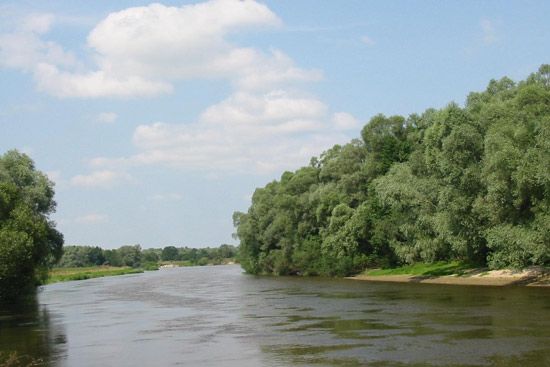
The Boumbé II River is a stream that originates in the Central African Republic and flows in a southerly and southeasterly direction. It serves as a portion of the border between the Central African Republic and Cameroon. The river spans a course of approximately 100 miles (160 km) before it empties into the Kadeï River in the vicinity of Gamboula, Central African Republic.1
What is the Kadeï River?
The Kadeï River is a significant headstream of the Sangha River. It originates in the southwestern region of the Central African Republic and is joined by the Boumbé II River near the town of Gamboula.
At Nola, the Kadeï River converges with the Mambéré River to form the Sangha River, which eventually flows into the Congo River.
What is the geography of the Central African Republic?
The Central African Republic is a landlocked nation roughly the size of France, bordered by Chad, Sudan, South Sudan, the Democratic Republic of the Congo, the Republic of the Congo, and Cameroon.3
Relief and Drainage
The country consists primarily of an immense, rolling plateau that serves as a major drainage divide between the Lake Chad and Congo River basins.4
- Northern Region: The northern third of the territory is drained by tributaries of the Chari River.4
- Southern Region: The remaining two-thirds drain southward into the Ubangi River, which forms the southern border.43
The terrain features several notable elevations, including the Bongos Massif and the Tondou Massif in the east, the Karre Mountains in the west—home to the country’s highest point, Mount Ngaoui—and the Dar Challa range in the north.4
Vegetation and Resources
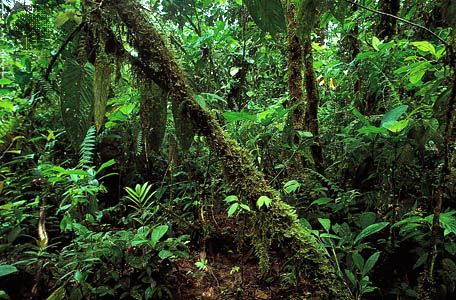
The southwest is characterized by tropical rainforest, while the rest of the country features a mix of savannas and dry tropical forests. The nation is rich in mineral resources, particularly diamonds, and utilizes its numerous waterfalls for hydroelectric power.567
How do rivers form international borders?
Sorry, the Britannica knowledge base does not contain information regarding the specific mechanisms or legal principles by which rivers form international borders.
Sources
- Boumbé II River — Encyclopædia Britannica
- Sangha River — Encyclopædia Britannica
- Central African Republic - Relief, drainage, and soils — Encyclopædia Britannica
- Central African Republic - Land — Encyclopædia Britannica
- Central Africa — Encyclopædia Britannica
- Central African Republic - Agriculture, forestry, and fishing — Encyclopædia Britannica
- Central African Republic - Resources and power — Encyclopædia Britannica
- Congo River - Hydrology of the Congo River — Encyclopædia Britannica
Published on · 2 min read