Byarezina River
The Byarezina River (also spelled Berezina) is a river located in Belarus. It serves as a tributary to the Dnieper River, which it joins near the town of…
What is Byarezina River?
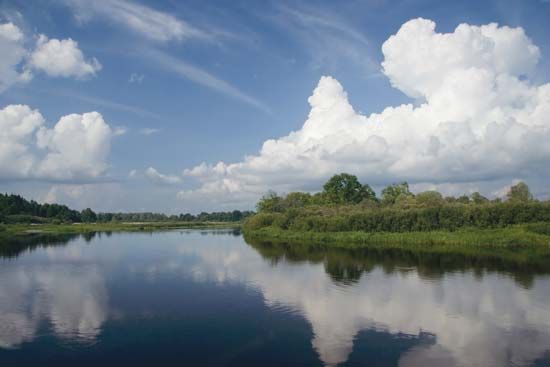
The Byarezina River (also spelled Berezina) is a river located in Belarus. It serves as a tributary to the Dnieper River, which it joins near the town of Rechytsa.12
Spanning approximately 381 miles (613 km) in length, the river rises north of the Minsk Elevation and follows a meandering, south-southeast course through a swampy, forested basin. Due to its characteristics, it is navigable only by small craft.1
Historically, the river is well-known for the bitter engagement that took place along its banks during Napoleon’s retreat from Moscow in 1812.1
What happened during Napoleon’s retreat from Moscow?
Napoleon’s retreat from Moscow, which began on October 19, 1812, marked the catastrophic collapse of the Grande Armée. Initially 110,000 strong, the army faced severe attrition due to lack of supplies, exhaustion, and intermittent combat with Russian forces under Kutuzov. Contrary to popular belief, the majority of French losses occurred before the onset of the bitter winter cold in December.34
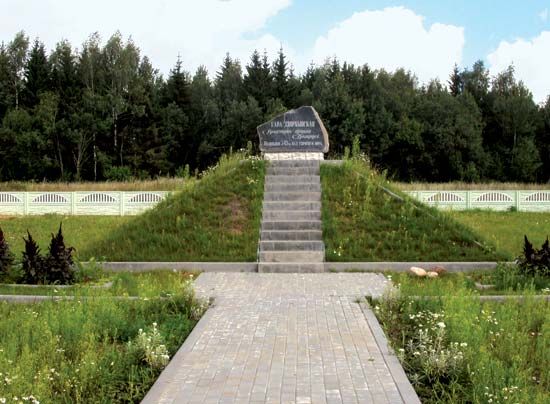
A critical moment occurred at the Berezina River in late November. After finding the bridge at Borisov destroyed, the French engineered a daring escape by constructing two bridges at Studyanka under heavy pressure from Russian forces. While the main body successfully crossed, the rear guard suffered significant losses before the bridges were burned on November 29.34
By December 5, 1812, with his army reduced to a broken remnant, Napoleon handed command to Murat and departed for Paris. Of the 612,000 combatants who entered Russia, only about 112,000 returned to the frontier, leaving the French military unable to replace its lost cavalry and trained personnel.4
What are the major rivers in Belarus?
Belarus features an extensive network of over 20,000 streams. The country’s drainage system is primarily divided between the basins of the Dnieper River, which flows toward the Black Sea, and rivers flowing toward the Baltic Sea.5
Major rivers in Belarus include:
- Dnieper River: The primary river of the region, flowing across the country from north to south.5
- Byarezina River: A major right-bank tributary of the Dnieper.5
- Pripet River: Another significant right-bank tributary of the Dnieper, associated with the extensive Pripet Marshes.56
- Sozh River: A major left-bank tributary of the Dnieper.5
- Western Dvina (Dzvina) River: Drains the northern Polatsk Lowland toward the Baltic Sea.5
- Neman (Nyoman) River: Flows through the west toward the Baltic Sea.57
- Bug (Buh) River: Forms part of the border with Poland and flows toward the Baltic Sea, fed in the southwest by the Mukhavyets River.5
How do rivers like the Dnieper impact the geography of Eastern Europe?
Rivers like the Dnieper River have fundamentally shaped the geography and development of Eastern Europe by serving as vital arteries for transportation, settlement, and resource management.
Geographic and Hydrological Influence
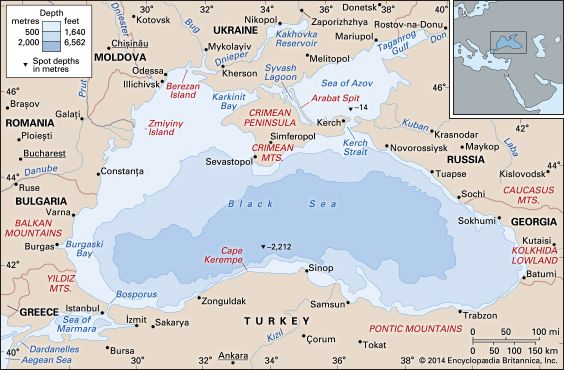
The Dnieper flows through the East European Plain, where its sluggish, mature course traverses diverse landscapes, including morainic deposits and loess-covered steppes. The river’s basin encompasses significant uplands, such as the Valdai Hills and the Belarusian Ridge. In areas where the Dnieper basin borders other major rivers, flat, swampy terrain—such as the Pripet Marshes—historically facilitated the creation of connecting water routes and canals, linking the Black Sea to the Baltic Sea to the Baltic Sea.89
Historical and Economic Significance
- Trade and Statehood: The Dnieper was central to the “route from the Varangians to the Greeks,” which linked Baltic and Mediterranean peoples and played a crucial role in the founding of the ancient Kievan state.10
- Modern Infrastructure: In the 20th century, the river was transformed through the construction of dams, reservoirs, and hydroelectric power stations. These projects created continuous deepwater routes, enabled irrigation for arid lands, and provided water to major industrial regions like the Donets Basin.10
- Environmental Impact: While these modifications solved water shortages, they have also altered the river’s natural ecology, leading to reduced seasonal flow, pollution from agricultural and industrial runoff, and damage to estuarine wetlands.10
Sources
- Byarezina River — Encyclopædia Britannica
- Berezina — Merriam-Webster
- French invasion of Russia - Retreat from Moscow — Encyclopædia Britannica
- Napoleonic Wars - The retreat from Moscow — Encyclopædia Britannica
- Belarus - Drainage — Encyclopædia Britannica
- Belarus - Relief — Encyclopædia Britannica
- Neman River — Encyclopædia Britannica
- Dnieper River — Encyclopædia Britannica
- Dnieper River - History and economy — Encyclopædia Britannica
- river - Significance in early human settlements — Encyclopædia Britannica
- Europe - Topographic influences — Encyclopædia Britannica
Published on · 3 min read