Bouvier Des Flandres
The bouvier des Flandres is a powerful, cattle-driving dog breed originating from southwestern Flanders and northern France. Known for its working ability…
What is bouvier des Flandres?
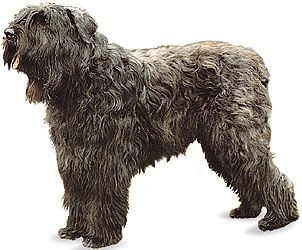
The bouvier des Flandres is a powerful, cattle-driving dog breed originating from southwestern Flanders and northern France. Known for its working ability, the breed is characterized by a rugged, compact build, a blocky head featuring a mustache and beard, and a thick, wiry, tousled coat that can be brown, black, gray, brindle, or salt-and-pepper.12
Ideally weighing about 88 pounds (40 kg), these dogs are highly versatile. Historically, they served as ambulance dogs and messengers during World War I. Today, they are recognized as natural guard dogs and are frequently utilized in military and police settings. In Belgium, a bouvier des Flandres must earn a prize in police, guard, or army work to achieve the title of champion.12
What specific traits make a dog well-suited for herding livestock?
Herding dogs are defined by a unique combination of physical and behavioral traits that allow them to effectively manage livestock. These dogs are highly intelligent, lively, and possess a business-like disposition, enabling them to evaluate situations and execute tasks with purpose.24
Key traits that make these breeds well-suited for herding include:
- Agility and Speed: Herding breeds are quick and agile, capable of working across diverse terrains and performing short bursts of high speed to control a flock.2
- Physical Strength: Even smaller varieties are typically strong and muscular, often characterized by a proud carriage of the head and neck.2
- Responsiveness: These dogs are exceptionally attentive, capable of perceiving subtle hand signals and whistle commands to move livestock or locate strays.2
- Instinctive Behaviors: Herding is an innate behavior; many puppies will instinctively attempt to herd children or other animals. Depending on the breed, they may drive a flock by circling, barking, and nipping at heels, or by using a “hypnotic stare” to direct movement.42
How did the role of dogs change in military service during World War I?
During World War I, the role of dogs in military service evolved from informal mascots to essential assets on the front lines. While some dogs, such as the bouvier des Flandres, were specifically utilized for their working ability as messengers and ambulance dogs, others served in multifaceted capacities that directly impacted troop survival and morale.15
Dogs like the famous Sergeant Stubby demonstrated that these animals could perform critical tactical functions, including:
- Gas Detection: After surviving exposure to mustard gas, dogs learned to recognize the scent, barking to alert soldiers of incoming attacks and saving lives.5
- Search and Rescue: Dogs were instrumental in locating wounded soldiers in the fields between trenches, guiding searchers to those in need of medical attention.5
- Security and Intelligence: Some dogs served as guard animals, capable of identifying and helping to capture enemy spies attempting to map Allied positions.5
- Morale and Therapy: Beyond combat roles, dogs provided vital psychological support, acting as mascots to boost spirits and even visiting recovering soldiers in Red Cross hospitals.5
What are some other dog breeds that were originally developed in Belgium?
In addition to the Belgian sheepdog, several other dog breeds were originally developed in Belgium, each with unique histories and purposes:
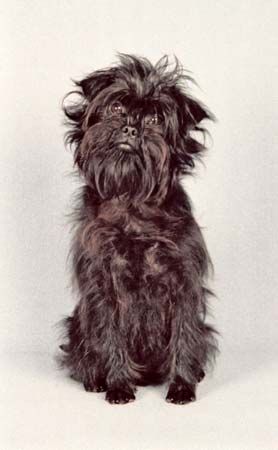
- Brussels griffon: Developed in the late 19th century from the affenpinscher and local street dogs, this toy breed is known for its affectionate nature and distinctive, alert appearance.
- Bouvier des Flandres: Originating in southwestern Flanders, this rugged, compact breed was traditionally used for cattle-driving. It gained prominence during World War I for its service as a messenger and ambulance dog.
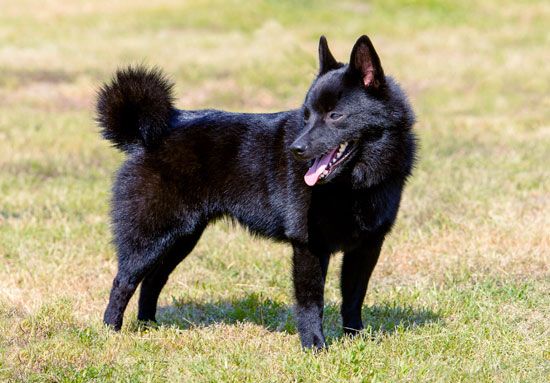
- Schipperke: Dating back to the 15th century in Flanders, this small, energetic breed served as a watchdog on canal barges and was highly valued as a ratter.
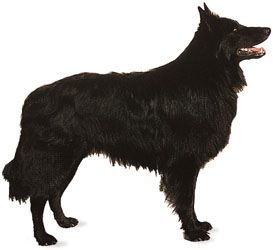
- Belgian Malinois: Developed in the Mechelen area during the 1800s, this breed is one of four varieties of Belgian shepherds. It is widely recognized today for its exceptional strength, stamina, and intelligence, making it a preferred choice for police and military work.
- Belgian Tervuren: Recognized as a distinct breed by the American Kennel Club, this is another variety of the Belgian shepherd, differentiated primarily by its long, sable-colored coat.67
Sources
- bouvier des Flandres — Encyclopædia Britannica
- dog - Herding dogs — Encyclopædia Britannica
- Bouvier des Flandres — Merriam-Webster
- dog - Breed-specific behaviour — Encyclopædia Britannica
- Sergeant Stubby — Encyclopædia Britannica
- Brussels griffon — Encyclopædia Britannica
- Belgian sheepdog — Encyclopædia Britannica
- Schipperke — Encyclopædia Britannica
- Belgian Malinois — Encyclopædia Britannica
Published on · 3 min read