Dog
Dogs possess the same five senses as humans, though their capabilities vary significantly, often providing them with unique advantages in their daily lives.
How do dogs’ senses compare to those of humans, and how do these senses help them in their daily lives?
Dogs possess the same five senses as humans, though their capabilities vary significantly, often providing them with unique advantages in their daily lives.1
Sensory Comparisons
- Smell: This is a dog’s most acute sense, far surpassing human ability. Their olfactory centers are highly developed, allowing them to track missing persons, detect toxic substances, and identify specific scents like drugs or explosives.12
- Hearing: Dogs have an acute sense of hearing and can register sounds up to 35,000 vibrations per second, compared to 20,000 in humans. They can also filter out distracting noises by adjusting their inner ear.1
- Vision: While dogs have a wider field of vision than humans, their eyesight is less keen. They are color-blind, perceiving the world primarily in shades of blue and yellow rather than the full human spectrum. They see better in low light but struggle with close-range focus and depth perception.13
- Taste and Touch: A dog’s sense of taste is poorly developed compared to humans. Conversely, they are highly sensitive to touch, which they use for communication and bonding.1
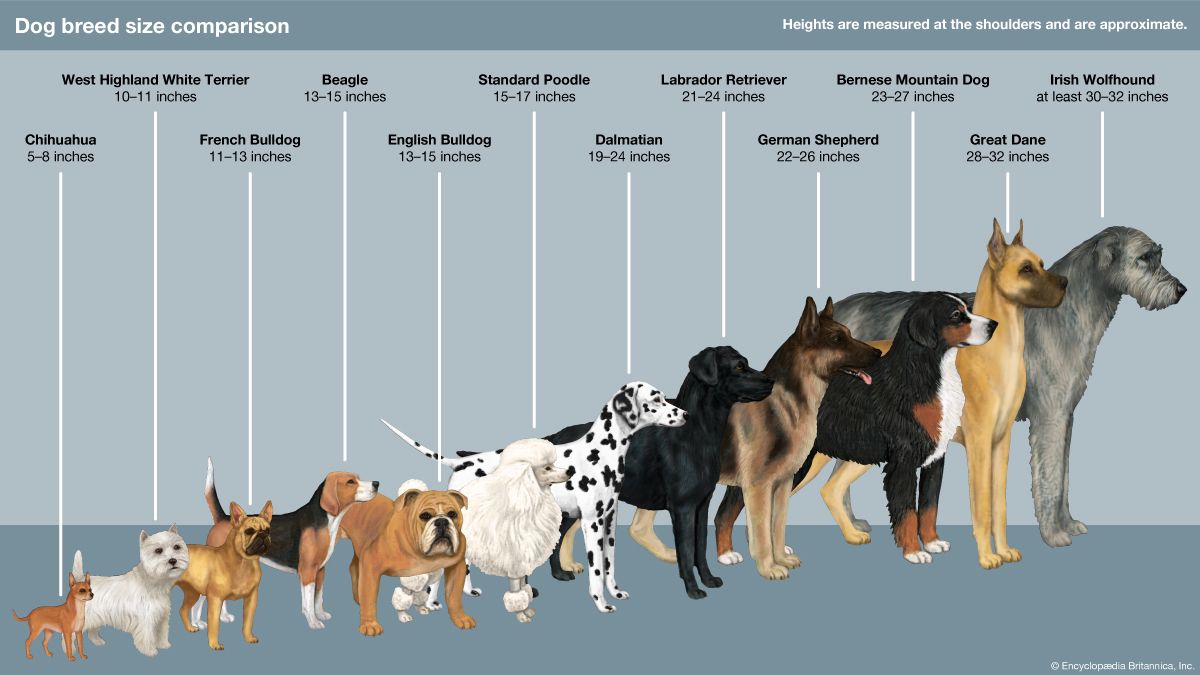
What are some of the most popular dog breeds and their unique traits?
Several dog breeds consistently rank among the most popular in the United States, each possessing distinct traits shaped by their historical roles and selective breeding.56
Popular Breeds and Their Unique Traits
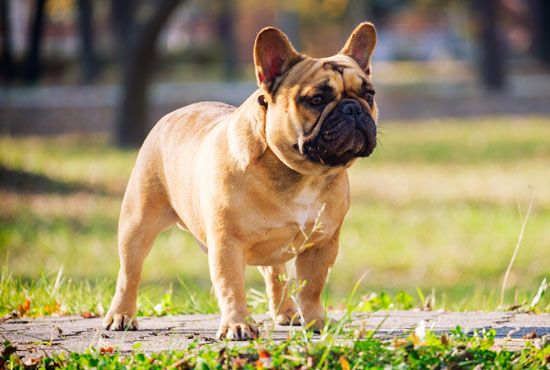
- French Bulldog: Currently the most popular breed in the U.S., the “Frenchie” is a small, sturdy companion known for its “bat-like” ears and clownish, affectionate temperament. While they are fairly energetic, they are brachycephalic (short-nosed), meaning they require care to avoid overheating and respiratory issues.76
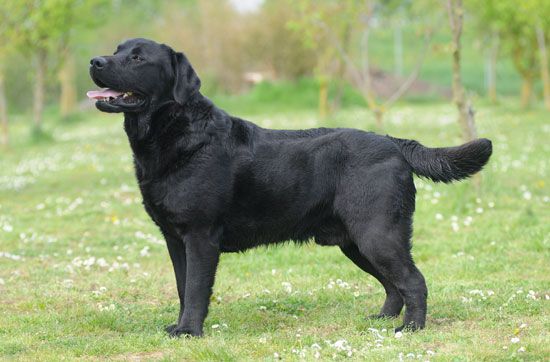
- Labrador Retriever: Holding the top spot for 31 years prior to 2022, this breed is renowned for its intelligence, gentle nature, and strong work ethic. Originally bred as a gun dog, the Lab is a versatile, high-energy swimmer that excels as a family pet, service animal, and search-and-rescue partner.86
- Golden Retriever: Famous for its friendly, outgoing personality, the Golden Retriever is an enthusiastic and obedient worker. They are highly versatile in competitive sports and make excellent family companions, though they require significant daily exercise and mental stimulation.9
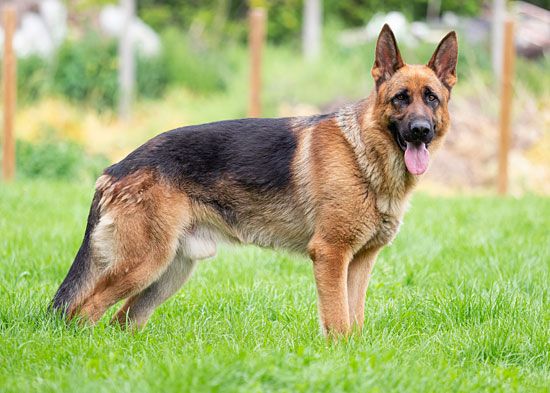
- German Shepherd: A quintessential working breed, the German Shepherd is prized for its loyalty, intelligence, and protective instincts. They are widely utilized in police and military roles, as well as in search-and-rescue and service work, though they require firm training to manage their protective nature.10
What are the different roles that dogs play in human society?
Throughout history, dogs have served as essential partners to humans, evolving from early hunting allies and protectors to specialized working animals and beloved companions. Their roles in society are diverse and continue to expand:1314
- Historical and Traditional Roles: Since their domestication, dogs have served as hunting companions, bodyguards, and guardians of livestock. In some cultures, they have also functioned as beasts of burden.1314
- Service and Assistance: Trained service dogs provide critical support for individuals with disabilities. This includes guide dogs for the visually impaired, hearing dogs that alert partners to environmental sounds, and mobility assistance dogs for those using wheelchairs.15
- Medical and Therapeutic Support: Dogs are increasingly used for medical detection, such as identifying drops in blood sugar or predicting seizures. Additionally, therapy dogs provide emotional support in hospitals and nursing homes, while animal-assisted therapy (AAT) programs help patients improve cognitive and physical skills.15
- Public Safety: Dogs are vital in police work, where they are trained to track fugitives, locate missing persons, and detect illegal substances or explosives.1316
How has selective breeding influenced the diversity of dog breeds we see today?
Selective breeding has been the primary driver in transforming the ancestral wolf into the more than 400 distinct dog breeds recognized today. By consistently mating individuals that exhibited specific, desirable qualities—such as temperament, body type, and coat characteristics—humans have significantly altered the genetic makeup of dog populations over thousands of years.1819
Influence on Diversity and Traits
- Functional Specialization: Early selective breeding focused on utility. Humans developed sight hounds for speed, mastiffs for protection, and herding dogs to manage livestock. These roles dictated physical traits, such as the flexible spine of a greyhound for speed or the low-slung body of a dachshund for hunting in tunnels.1920
- Behavioral Traits: Selection has also shaped innate temperaments. For example, terriers were bred to be feisty and active to hunt rodents, while herding dogs often display instinctive protective or gathering behaviors from a young age.1921
- Neoteny: Many popular breeds have been selected for “neoteny,” the retention of juvenile traits into adulthood, such as an affectionate nature, soft fur, and specific facial proportions that trigger a human “cute response”.22
Ethical Considerations
While selective breeding has created immense diversity, it has also led to significant health consequences. Intense selection for extreme physical features—such as the flat faces of French Bulldogs or the miniaturization of “teacup” breeds—has reduced genetic diversity and introduced serious congenital disorders, including respiratory issues and skeletal deformities. Ethical breeding practices, such as outcrossing to maintain genetic health, are essential to mitigate these risks.1822
Sources
- dog - Senses — Encyclopædia Britannica
- Are Dogs Really Color-Blind? — Encyclopædia Britannica
- Chemoreception - Dogs — Encyclopædia Britannica
- cetacean - Taste — Encyclopædia Britannica
- German Shepherd — Encyclopædia Britannica
- French Bulldog — Encyclopædia Britannica
- dog - Breed-specific behaviour — Encyclopædia Britannica
- Golden Retriever dog — Encyclopædia Britannica
- dog - Working dogs — Encyclopædia Britannica
- Labrador Retriever — Encyclopædia Britannica
- 16 Questions About Pets Answered - What is the most common household pet in the United States? — Encyclopædia Britannica
- What’s the Most Popular Dog Breed in the U.S.? — Encyclopædia Britannica
- dog - Role in human societies — Encyclopædia Britannica
- How Service Animals Help Humans Live Fuller Lives — Encyclopædia Britannica
- 9 of the World’s Deadliest Mammals - Dogs ( Canis lupus familiaris ) — Encyclopædia Britannica
- police - Police dogs — Encyclopædia Britannica
- working dogs — Merriam-Webster
- dog - Ancestry — Encyclopædia Britannica
- dog - Origin of breeds — Encyclopædia Britannica
- dog - The breeds — Encyclopædia Britannica
- selective breeding — Encyclopædia Britannica
- Hell in a Handbag — Encyclopædia Britannica
- landrace — Merriam-Webster
- dog - Skeletal structure — Encyclopædia Britannica
Published on · 4 min read