British Virgin Islands
The British Virgin Islands are a British overseas territory located in the eastern Caribbean Sea. They form part of the Virgin Islands chain, which…
What is the geographical location and composition of the British Virgin Islands?
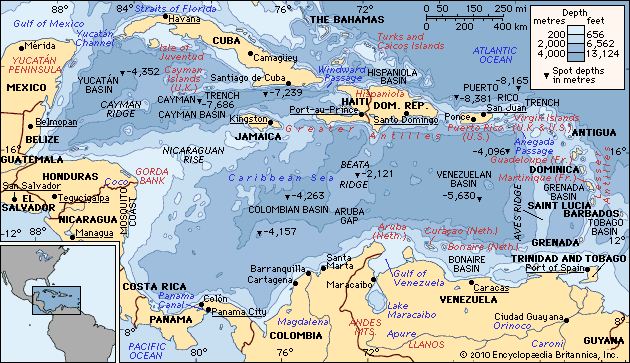
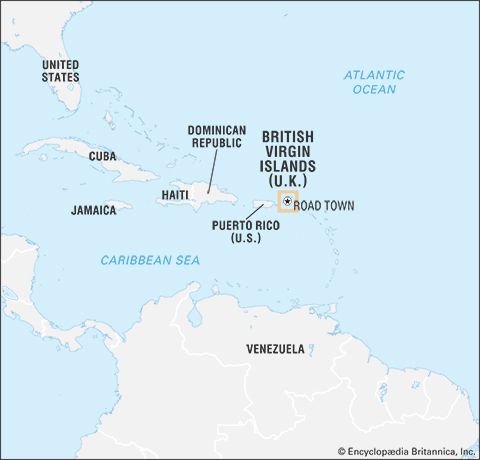
The British Virgin Islands are a British overseas territory located in the eastern Caribbean Sea. They form part of the Virgin Islands chain, which represents the northeastern extremity of the Greater Antilles, situated to the east of Puerto Rico.1
The territory is composed of 36 islands and islets in total, including four larger islands: Tortola, Anegada, Virgin Gorda, and Jost Van Dyke. Geologically, these islands are an extension of the central fault-block mountain ranges of Puerto Rico. They are primarily composed of metamorphosed igneous and sedimentary rocks, which are overlain in certain areas by limestone and alluvium. The islands rise from the continental shelf and are surrounded by fringing coral reefs.12
What are the main economic activities and industries in the British Virgin Islands?
The economy of the British Virgin Islands is primarily driven by two main sectors: tourism and financial services.5
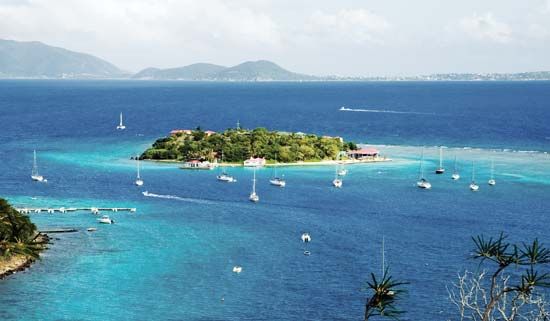
- Tourism: This is the largest employer and provides approximately half of the territory’s income. The industry thrives on the islands’ natural appeal, including their tropical climate, beaches, vegetation, and coral reefs.5
- Financial Services: The offshore financial services sector is a critical economic pillar. Since the mid-1980s, the government has generated significant revenue by collecting incorporation fees from foreign businesses that register in the territory. By the start of the 21st century, approximately 400,000 businesses had registered there.5
It is important to note that the British Virgin Islands and the United States Virgin Islands are distinct entities with different economic structures; for instance, unlike the U.S. Virgin Islands, the British territory does not rely on large-scale manufacturing or petroleum refining. Due to limited natural resources, the islands also receive financial support from the United Kingdom.567
What are some of the most popular islands in the British Virgin Islands for tourists to visit?
The British Virgin Islands are a popular destination known for their subtropical climate, sandy beaches, and clear waters. Tourism is a central pillar of the economy across the territory, with several islands serving as key attractions:
- Tortola: As the largest island and home to the chief town and port, Road Town, it serves as the primary hub for visitors. Road Town has undergone significant development, including the reclamation of Wickham’s Cay, to enhance its capacity as a tourist center.189
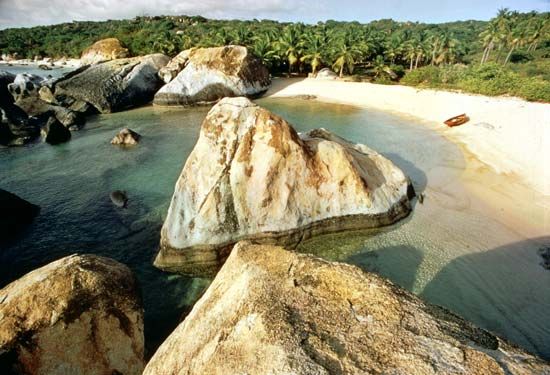
- Virgin Gorda: This island is well-known for its unique topography, particularly the southwest peninsula, which is famous for its massive granite boulders.10
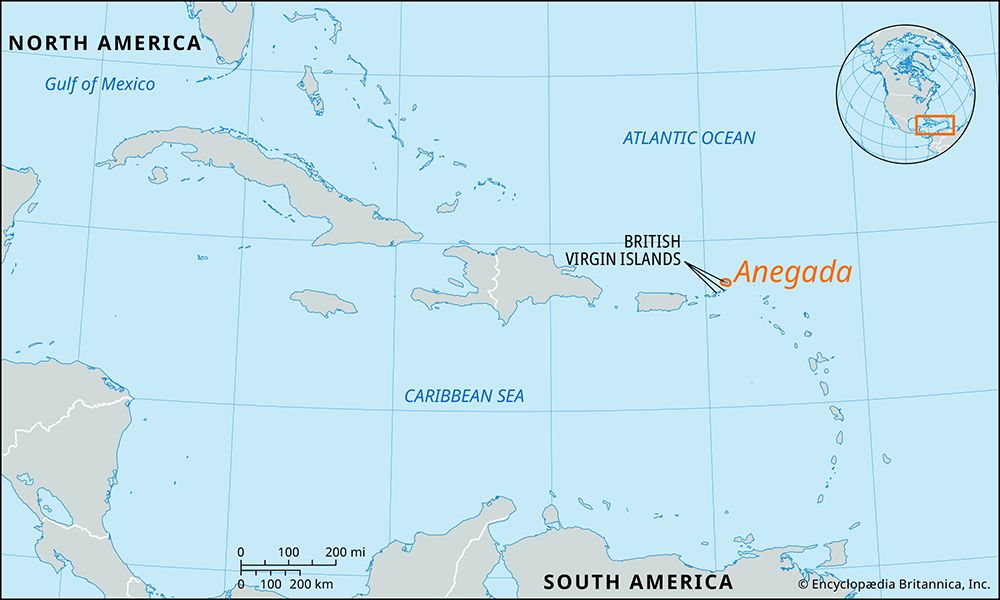
- Anegada: Distinct from the other islands due to its flat, coral and limestone composition, Anegada is a significant tourist destination. It is noted for its dangerous reefs, shipwrecks, and diverse wildlife, including a bird sanctuary and the endangered Anegada rock iguana.11
- Jost Van Dyke: Known for its rugged terrain, this island is another important location for the territory’s tourism industry.7
What role do the British Virgin Islands play in international finance and offshore banking?
The offshore financial services sector serves as a primary pillar of the economy in the British Virgin Islands. Since the mid-1980s, the government has generated substantial revenue by collecting incorporation fees from foreign businesses that register within the territory.5
This industry has grown significantly, with approximately 400,000 businesses registered in the islands by the beginning of the 21st century. While this sector provides essential economic support, it has historically faced challenges; for instance, during the early 1990s, the territory experienced concerns regarding the potential diversion of illicit drug-related money through its financial institutions.513
The territory’s role in international finance is characterized by its status as a jurisdiction for offshore incorporation, which remains a key economic mainstay alongside tourism.5
Sources
- British Virgin Islands — Encyclopædia Britannica
- British Virgin Islands - Climate — Encyclopædia Britannica
- British Virgin Islands — Merriam-Webster
- United States Virgin Islands - Land — Encyclopædia Britannica
- British Virgin Islands - Economy — Encyclopædia Britannica
- United States Virgin Islands - Economy — Encyclopædia Britannica
- Virgin Islands — Encyclopædia Britannica
- Anegada — Encyclopædia Britannica
- Virgin Gorda Island — Encyclopædia Britannica
- Jost Van Dyke Island — Encyclopædia Britannica
- Tortola — Encyclopædia Britannica
- Road Town — Encyclopædia Britannica
- British Virgin Islands - History — Encyclopædia Britannica
Published on · 3 min read