Caribbean Sea
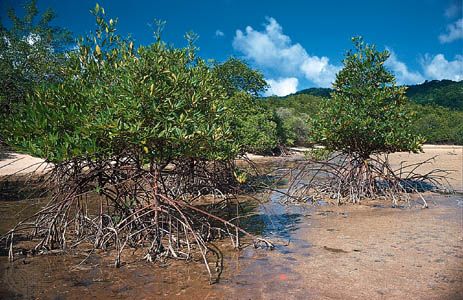
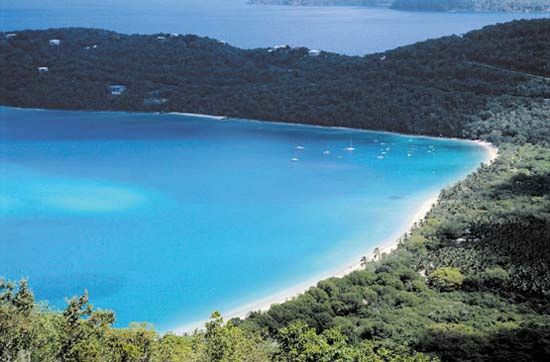
The Caribbean Sea hosts diverse marine ecosystems centered around submerged fringing coral reefs, which thrive in the region's warm, clear waters. These…
What unique marine ecosystems and biodiversity can be found in the Caribbean Sea?
The Caribbean Sea hosts diverse marine ecosystems centered around submerged fringing coral reefs, which thrive in the region’s warm, clear waters. These reefs support complex assemblages of marine life, while nearby lagoons feature submerged fields of turtle grass and dense forests of mangroves that provide essential habitats.1
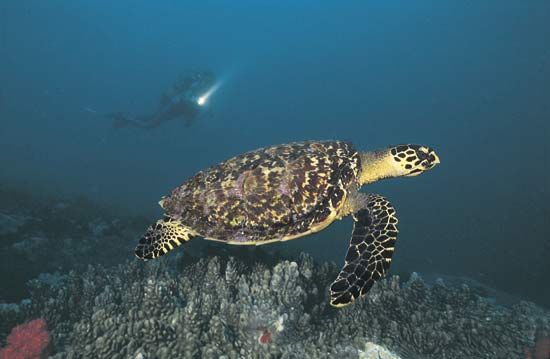
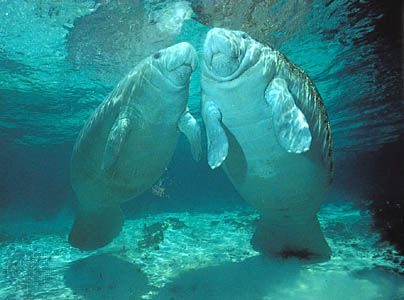
The region’s biodiversity is significant, featuring species such as sea turtles, the manatee, and the manta ray. The reefs are also home to various reef fishes, the spiny lobster, and the queen conch.1
However, these ecosystems face serious threats from human activity, including overexploitation and pollution. Additionally, rising water temperatures linked to climate change have triggered coral bleaching events, which endanger the health of these vital structures. Protecting these environments is a moral imperative, as they are essential for regional biodiversity and ecological stability. International initiatives like the Cartagena Convention have been established to manage and preserve these common waters.12
How has the Caribbean Sea played a role in the history and culture of the region?
The Caribbean Sea has been a central arena for global history, shaping the development of colonial powers, economic systems, and cultural identities.
Colonial Expansion and Conflict
Following Christopher Columbus’s arrival in 1492, the Caribbean became the initial site of Spanish occupation in the Americas. The region served as a testing ground for colonial structures, including the establishment of cities like Santo Domingo and the development of gold-mining economies. This era was marked by the catastrophic collapse of indigenous populations and the subsequent shift toward large-scale resource extraction.13
The Era of Piracy
During the 17th and 18th centuries, the Caribbean became the epicenter of the “golden age” of piracy. As European powers vied for control, privateers—state-sanctioned raiders—and buccaneers targeted treasure-laden Spanish galleons. These figures, including Blackbeard and Sir Henry Morgan, have since become iconic, if often romanticized, figures in global literature and popular culture.45
The Transatlantic Slave Trade
The Caribbean was a primary destination for the transatlantic slave trade. Millions of enslaved Africans were transported across the Middle Passage to work on plantations. This forced migration fundamentally altered the region’s demographics and culture, effectively erasing much of the aboriginal character of the islands and replacing it with a complex, diverse society shaped by the legacy of slavery.67
Modern Economic and Cultural Significance
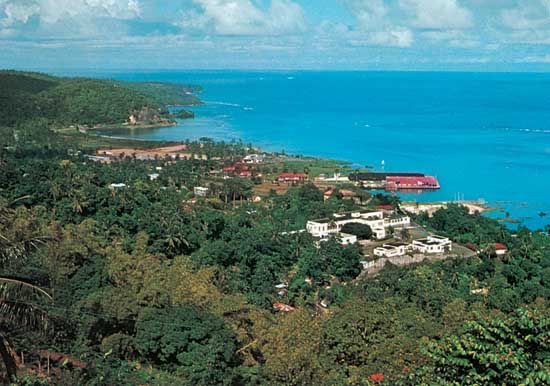
Today, the sea remains vital to the region’s economy through tourism, which emphasizes the area’s natural beauty, such as its coral reefs and beaches. While the sea once facilitated colonial conquest, it now serves as a shared resource managed through international agreements like the Cartagena Convention, reflecting a modern commitment to environmental preservation.28
How does tourism impact the economies of countries bordering the Caribbean Sea?
Tourism is a cornerstone of the economies of countries bordering the Caribbean Sea, serving as a primary source of foreign exchange and employment across the region. The area is globally recognized as a premier winter vacation destination, drawing millions of visitors—primarily from the United States and Canada—attracted by the climate, beaches, and recreational opportunities.19104
Economic Contributions
- Foreign Exchange: Tourism is vital for national revenue, helping to balance trade and support government services.910
- Infrastructure Development: Governments often incentivize the construction of resorts, airports, and marinas to increase accessibility and capacity.10114
- Diversification: For nations like Dominica, tourism offers a necessary path to diversify economies otherwise dependent on agriculture.12
Challenges and Drawbacks
Despite its benefits, the industry places significant strain on local resources. The need to import luxury goods can negatively impact a country’s balance of payments, while the high demand for food, water, and waste management services often overwhelms local infrastructure. Furthermore, the reliance on tourism can leave economies vulnerable to environmental degradation and external economic shifts.1012
How has the Caribbean Sea influenced the development of unique music and cultural traditions in the region?
The Caribbean Sea has served as a crucible for the development of unique music and cultural traditions, primarily through the forced migration of enslaved Africans and the subsequent interaction between diverse populations. Because the indigenous populations were decimated shortly after European contact, modern Caribbean culture is largely a product of the complex, often painful, synthesis of African, European, and, to a lesser extent, local influences.115
The Role of African Heritage
The transatlantic slave trade was the most significant factor in shaping the region’s cultural identity. Despite efforts by colonial powers to suppress native identities, enslaved people preserved and adapted African traditions, which became the foundation for much of the region’s music and dance.166
- Musical Roots: African-derived music and dance, characterized by strong call-and-response patterns and the use of drums and banjos, differ dramatically from European traditions.6
- Religious Syncretism: Religions such as Vodou in Haiti and Myalism in Jamaica emerged as syncretic systems, blending African beliefs with Christian elements to provide a means of coping with the hardships of slavery.6
Evolution of Modern Genres
The region’s music has evolved into a powerful voice for the oppressed and a global cultural force. Reggae, which originated in Jamaica in the late 1960s, is perhaps the most prominent example. It grew out of earlier styles like ska and rock steady and became deeply intertwined with the Rastafarian movement, addressing themes of social and economic injustice. Other genres like calypso and soca continue to dominate the region’s cultural landscape, often serving as the centerpiece for major events like Carnival.171819
Cultural Hybridity
Today, Caribbean culture is a “cultural potpourri” reflecting a duality of influences. While European institutions and Christian worship persist, African continuities remain vibrant in language, cuisine, and the rhythms of daily life. This hybridity is a testament to the resilience of the people who, despite the trauma of their history, created innovative and globally influential artistic traditions.161920
Sources
- Caribbean Sea - Resources — Encyclopædia Britannica
- Caribbean Sea - Study and exploration — Encyclopædia Britannica
- history of Latin America - The Caribbean phase — Encyclopædia Britannica
- Saint Vincent and the Grenadines - Tourism — Encyclopædia Britannica
- piracy — Encyclopædia Britannica
- Native American art - Regional style: West Indies — Encyclopædia Britannica
- slavery - The international slave trade — Encyclopædia Britannica
- Pirates, Privateers, Corsairs, Buccaneers: What’s the Difference? — Encyclopædia Britannica
- Dominica - Economy — Encyclopædia Britannica
- Guadeloupe - Economy — Encyclopædia Britannica
- Trinidad and Tobago - Services and taxation — Encyclopædia Britannica
- Dominican Republic - Tourism — Encyclopædia Britannica
- Grenada - Manufacturing, services, and trade — Encyclopædia Britannica
- Puerto Rico - Tourism — Encyclopædia Britannica
- reggae — Encyclopædia Britannica
- Latin American music - Early influences on folk music — Encyclopædia Britannica
- Jamaica - Cultural milieu — Encyclopædia Britannica
- Saint Vincent and the Grenadines - Cultural life — Encyclopædia Britannica
- Anguilla - Cultural institutions — Encyclopædia Britannica
- slavery - Slave culture — Encyclopædia Britannica
- Latin American music - Pre-Columbian patterns — Encyclopædia Britannica
- Haiti - Cultural life — Encyclopædia Britannica
Published on · 5 min read