Brush Fire
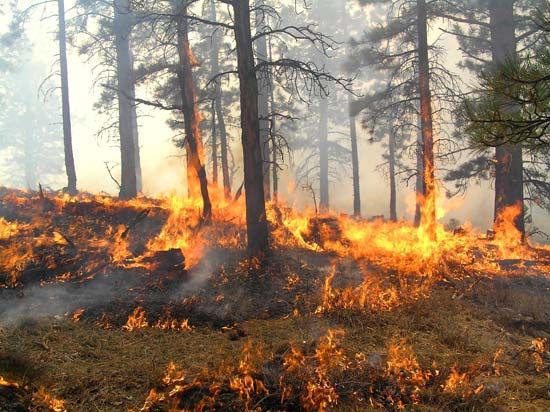
A brush fire is a type of wildfire that occurs in vegetation less than 1.8 meters (6 feet) tall, such as grasses, grains, saplings, and scrub. While the term…
What is Brush fire?
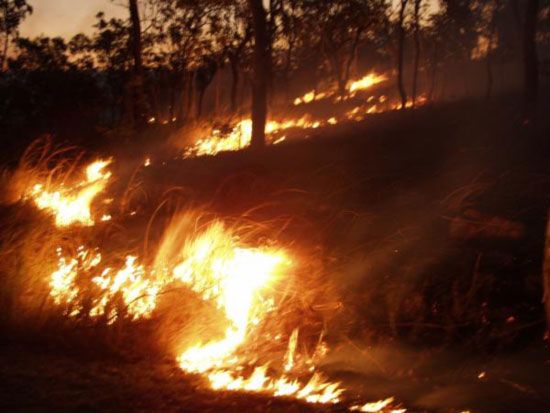
A brush fire is a type of wildfire that occurs in vegetation less than 1.8 meters (6 feet) tall, such as grasses, grains, saplings, and scrub. While the term specifically refers to fires involving low-growing plants, it is also used metaphorically to describe a minor conflict or crisis.12
These fires are a natural part of many grassland and scrubland ecosystems, where native species are often fire-adapted and rely on periodic burning to reproduce and thrive. When allowed to occur naturally, fire can improve ecosystem health by reducing plant competition, recycling nutrients into the soil, and decreasing the prevalence of pests and diseases soil](https://www.britannica.com/science/soil), and decreasing the prevalence of pests and diseases.13
However, long-term fire suppression can lead to the dangerous accumulation of fuels, resulting in more intense and destructive conflagrations. To manage this, land managers often use prescribed fire—the intentional, controlled burning of vegetation—to restore historical conditions and mitigate the risk of uncontrolled wildfires.13
What are some examples of fire-adapted plants?
Many plants have evolved specialized adaptations to survive or even thrive in fire-prone environments. These pyrophytic plants utilize several distinct strategies to persist through wildfires:
- Fire-Activated Seeds: Some species, such as the lodgepole pine, Eucalyptus, and Banksia, possess serotinous cones or fruits sealed with resin that only open after the heat of a fire melts the seal. Others, like certain shrubs and annuals, require chemical signals from smoke or charred matter to break seed dormancy.78
- Thermal Insulation: Trees like giant sequoias and larches have thick, fire-retardant bark that protects vital tissues. Similarly, plants like the Australian grass tree and various South African aloes retain dense, dead leaves around their stems to insulate against heat.7
- Resprouting: Many plants, including various Eucalyptus species and shrubs with lignotubers, can regenerate from protected buds or underground woody organs even after their above-ground parts are destroyed.78
- Prolific Flowering: Some species, such as the fire lily (Cyrtanthus) and the Australian grass tree, are stimulated to bloom simultaneously shortly after a fire to take advantage of ash-fertilized soil.78
- Tall Crowns: Species like the ponderosa pine keep their leaves and growth tissues high above the reach of most flames.7
How does climate change affect the frequency of wildfires?
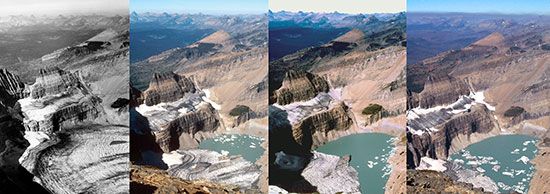
Anthropogenic climate change significantly influences the frequency and intensity of wildfires by altering global weather patterns. Rising global temperatures and shifts in precipitation contribute to more frequent heat waves and prolonged, severe droughts, which dry out vegetation more rapidly and thoroughly than would occur under normal conditions.310
This process increases the amount of available fuel, making landscapes more susceptible to ignition and allowing fires to burn with greater intensity. Research indicates that wildfires are becoming both more common and more extreme worldwide; for instance, the frequency of the most extreme wildfire events more than doubled between 2000 and 2023. Furthermore, human-driven global warming has been shown to significantly increase the likelihood of the extreme fire-weather conditions that drive catastrophic events, such as the 2019–20 Australian bushfires. As these climatic changes persist, they continue to exacerbate the risk and scale of wildfires globally.310
What is the difference between a prescribed fire and a wildfire?
The primary difference between a wildfire and a prescribed fire lies in intent, control, and management.
- Wildfires: These are uncontrolled fires that occur in forests, grasslands, brushlands, or croplands. They are often ignited by natural causes, such as lightning, or human activity, including accidents or arson. Because they are uncontrolled, they can cause widespread destruction to property, threaten human and non-human life, and result in severe air pollution.511
- Prescribed Fires: This is a planned land management tool where fire is intentionally applied to vegetation under specific, controlled conditions. Practitioners develop a detailed burn plan that defines the desired weather, fuel conditions, and fire behavior to meet specific objectives, such as restoring ecosystem health or reducing fuel loads to mitigate the risk of future, more intense wildfires.311
While both types of fire can serve ecological functions—such as clearing accumulated vegetation, recycling nutrients, and promoting the regeneration of fire-adapted species—prescribed fires are carefully managed to minimize risks to communities and maximize ecological benefits, whereas wildfires occur without such oversight.5311
Sources
- Brush fire — Encyclopædia Britannica
- brush fire — Merriam-Webster
- Wildfire — Encyclopædia Britannica
- forestry - Fire prevention and control — Encyclopædia Britannica
- Wildfire: Top Questions — Encyclopædia Britannica
- brush fires — Merriam-Webster
- Playing with Wildfire: 5 Amazing Adaptations of Pyrophytic Plants — Encyclopædia Britannica
- Chaparral — Encyclopædia Britannica
- Scrubland - Ecological importance of fire to scrubland communities — Encyclopædia Britannica
- California - Climate and wildfires of California — Encyclopædia Britannica
- prescribed fire — Encyclopædia Britannica
Published on · 3 min read