Climate Change
Greenhouse gases are atmospheric molecules that play a critical role in Earth's climate by absorbing infrared radiation (heat energy) emitted from the…
What role do greenhouse gases play in climate change?
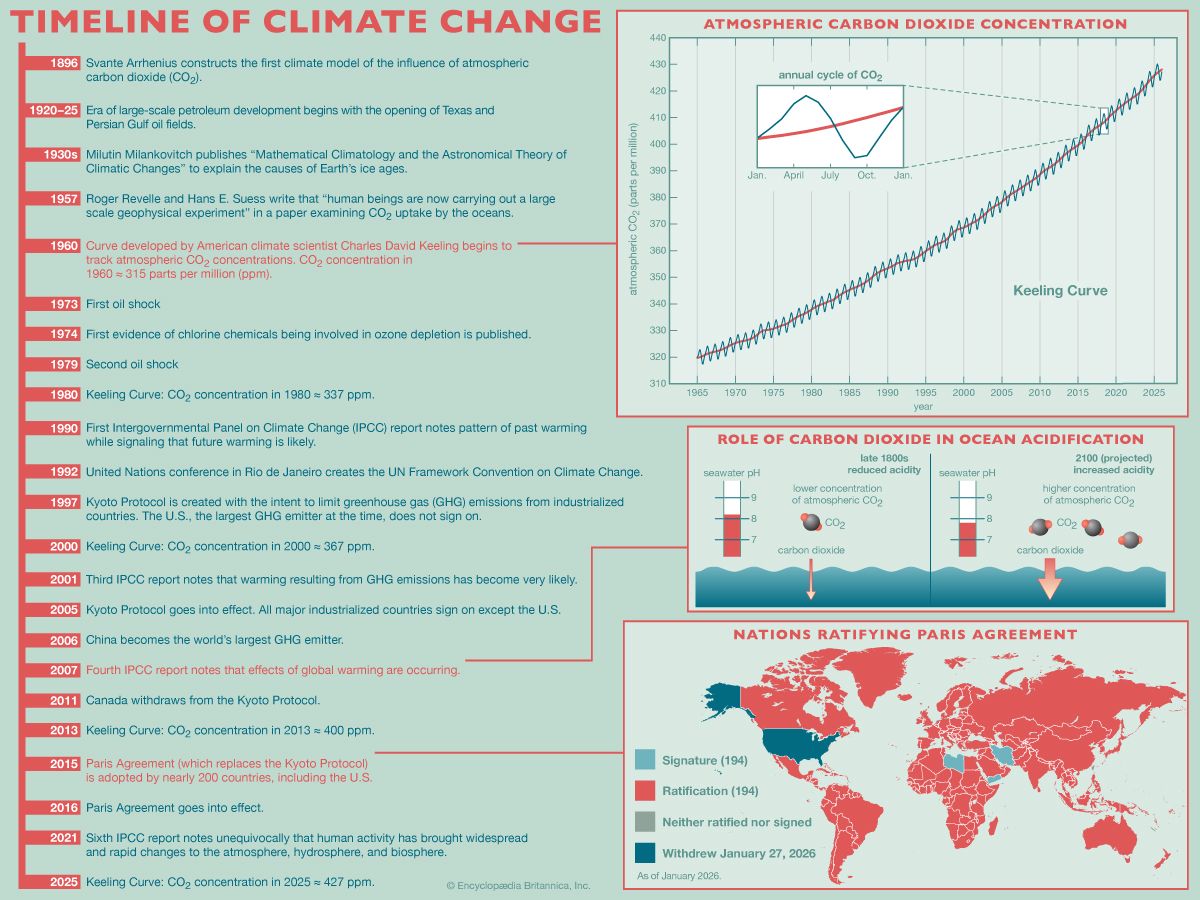
Greenhouse gases are atmospheric molecules that play a critical role in Earth’s climate by absorbing infrared radiation (heat energy) emitted from the planet’s surface and reradiating it back toward the ground. This process, known as the greenhouse effect, is essential for maintaining temperatures that support life, but human activities have significantly altered this balance.1234
Since the Industrial Revolution, human actions—primarily the combustion of fossil fuels—have caused a steady increase in the concentration of these gases, including carbon dioxide, methane, and nitrous oxides. This amplified carbon load exceeds the capacity of natural “sinks,” such as forests and oceans, to remove them from the atmosphere. The resulting increase in radiative forcing traps excess heat, leading to global warming and rapid changes in the climate that threaten ecosystems and human stability.124536
How can individuals and communities take action to mitigate the effects of climate change?
Mitigating the effects of climate change requires a combination of systemic policy shifts and individual lifestyle changes aimed at reducing greenhouse gas emissions.7
Individual Actions
Individuals can significantly lower their carbon footprint by focusing on both primary and secondary emissions:
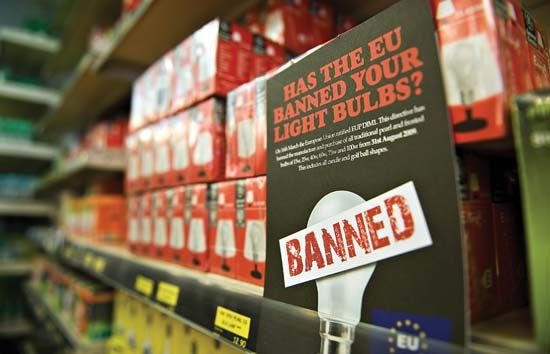
- Energy Efficiency: Improve home insulation, upgrade to energy-efficient household appliances, and install energy-efficient lighting.78
- Transportation: Reduce reliance on personal vehicles by using public transportation or switching to electric and hybrid-electric vehicles.78
- Energy Sources: Purchase electricity generated from renewable energy sources, such as wind or solar.78
- Consumption Habits: Reduce meat consumption, recycle, and choose products that require fewer emissions to produce and transport.78
- Carbon Offsets: Invest in carbon offsets to compensate for emissions that cannot be eliminated.8
Community and Policy Efforts
Societies can support sustainable development by transitioning energy systems away from fossil fuels toward hydropower and other renewables. Governments can incentivize these shifts through carbon taxes, support for carbon capture and storage technology, and by prioritizing climate-resilient infrastructure, such as preparing coastal cities for rising sea levels.7
How does climate change contribute to rising sea levels, and what are the consequences?
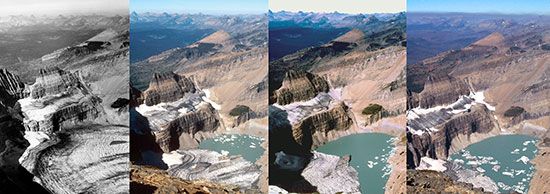
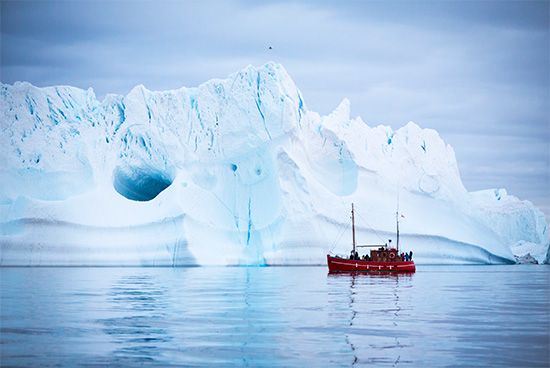
Climate change drives rising sea levels primarily through two mechanisms: the thermal expansion of seawater as it absorbs heat from the atmosphere, and the addition of meltwater from glaciers and polar ice sheets in Greenland and Antarctica. As global temperatures rise, these processes accelerate, with melting ice currently accounting for roughly 55 percent of the increase in sea levels.91011
The consequences of this rise are profound and wide-ranging:
- Inundation and Displacement: Rising seas threaten to submerge low-lying regions and islands, endangering major coastal cities like New York, Tokyo, and Mumbai. Approximately 40 percent of the global population lives in areas vulnerable to such flooding.910
- Saltwater Intrusion: As sea levels rise, salt water encroaches into freshwater aquifers and surface water supplies, contaminating drinking water and rendering agricultural land unusable.11
- Environmental Damage: Increased salinity can trigger “freshwater salinization syndrome,” which harms aquatic ecosystems, depletes oxygen, and threatens plant and fish life.11
- Increased Hazard Frequency: Higher sea levels exacerbate the impact of storm surges, erosion, and coastal flooding.1011
What are some of the most significant impacts of climate change on ecosystems and biodiversity?
Climate change is significantly altering ecosystems and biodiversity by forcing species to adapt to rapid environmental shifts that often outpace their natural capacity for change. These impacts manifest in several critical ways:13
Geographic Range Shifts
As temperatures rise, many species are shifting their geographic ranges toward cooler regions, such as higher latitudes or higher elevations. While some species may successfully expand their ranges, others—particularly those on mountaintops or in isolated habitats—face a shrinking “climate envelope” with nowhere to go, increasing their risk of extinction.1413
Disruption of Ecological Interactions
Climate change alters the timing of seasonal biological events, such as flowering, breeding, and migration. This can lead to “phenological mismatches,” where species fall out of sync with their food sources. For example, migratory birds may arrive at breeding grounds too late to exploit the peak emergence of insect larvae needed to feed their young.1413
Habitat Degradation and Loss
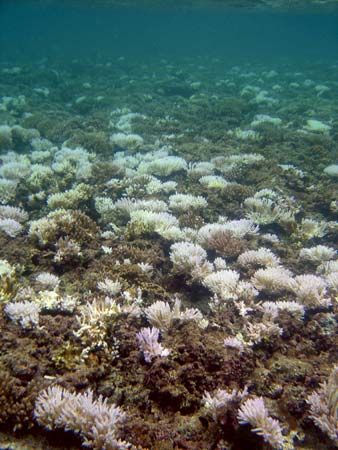
- Coral Reefs: Rising ocean temperatures and ocean acidification cause coral bleaching, which threatens the foundation of ecosystems that support approximately 25 percent of all marine species.1513
- Coastal Wetlands: Rising sea levels are destroying wetlands, salt marshes, and mangrove swamps, which provide essential habitats.1316
- High-Latitude Ecosystems: The loss of sea ice threatens species like polar bears and walruses that rely on ice for hunting and survival.13
Increased Extinction Risk
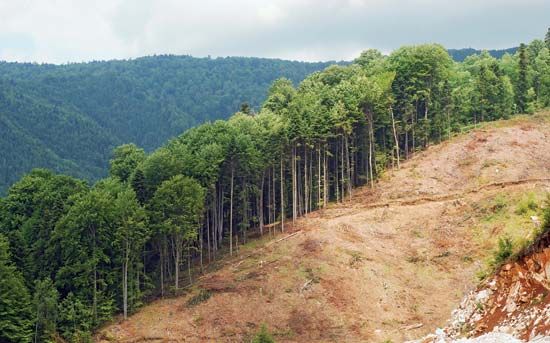
Scientists estimate that significant warming could lead to the loss of a large fraction of Earth’s species. These extinctions are often compounded by non-climatic stresses, such as deforestation, pollution, and the spread of invasive species or infectious diseases into new areas.131514
Sources
- Climate change - Greenhouse gases — Encyclopædia Britannica
- Greenhouse gas — Encyclopædia Britannica
- Is Climate Change Real? — Encyclopædia Britannica
- Climate change - The human impact: Fossil fuels and greenhouse gas emissions — Encyclopædia Britannica
- 5 Notorious Greenhouse Gases — Encyclopædia Britannica
- Greenhouse gas - Carbon dioxide — Encyclopædia Britannica
- Global warming policy - Mitigation and adaptation — Encyclopædia Britannica
- Carbon footprint — Encyclopædia Britannica
- Global warming - Ice melt and sea level rise — Encyclopædia Britannica
- iceberg - Impacts on ice sheets and sea level — Encyclopædia Britannica
- sea level rise — Encyclopædia Britannica
- saltwater intrusion — Encyclopædia Britannica
- Coral bleaching — Encyclopædia Britannica
- Climate change - Effects of climate change — Encyclopædia Britannica
- conservation - Global warming — Encyclopædia Britannica
- Global warming - Environmental consequences of global warming — Encyclopædia Britannica
- Migration - Physiological stimulus of migration — Encyclopædia Britannica
- Wetland - Effects of climate change — Encyclopædia Britannica
- Migration - Ecological significance of migration — Encyclopædia Britannica
Published on · 4 min read