Ecological Restoration
Ecological restoration is the process of repairing natural sites where biological communities and ecosystems have been degraded, damaged, or destroyed by…
What is ecological restoration?
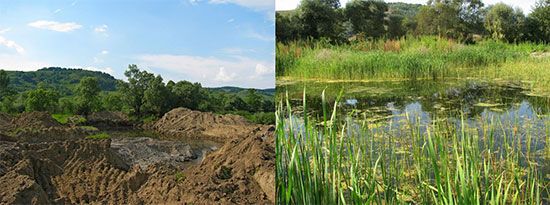
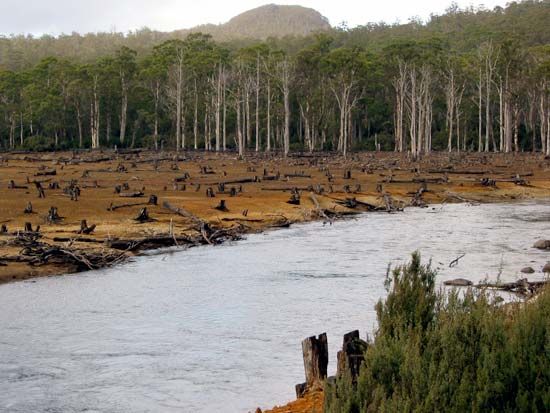
Ecological restoration is the process of repairing natural sites where biological communities and ecosystems have been degraded, damaged, or destroyed by human activities, such as agriculture, mining, or the introduction of invasive species. The goal is to return these areas to an earlier, healthier state or to a condition closely resembling one unaltered by humans.1
Restoration generally falls into two categories:
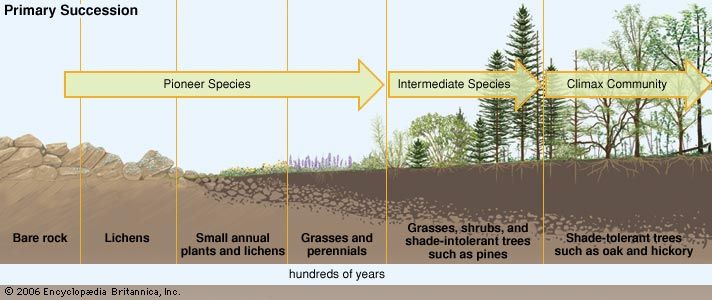
- Passive restoration: Specialists remove the source of disturbance and allow the site to recover naturally through ecological succession.2
- Active restoration: When an ecosystem has passed a threshold of degradation, specialists must intervene to accelerate recovery. This includes soil rehabilitation, land stabilization, and the reintroduction of native plant and animal species.2
Successful restoration requires understanding the ecosystem’s historical disturbance patterns, such as fire or flooding, and often involves ongoing monitoring to ensure long-term sustainability.23
Why is ecological restoration important for conservation?
Ecological restoration is a vital component of conservation because it serves as the primary tool for recovering ecosystems that have already been degraded or destroyed by human activity. While conservation is primarily concerned with preventing further losses, restoration actively repairs damage to return sites to a healthier, more functional state.14
Its importance to conservation is highlighted by several key factors:
- Reversing Habitat Loss: When a habitat is destroyed, restoration is often the only remaining option to prevent the permanent loss of biodiversity.4
- Restoring Ecosystem Services: Healthy ecosystems provide essential services, including carbon sequestration, water filtration, flood control, and nutrient cycling. Restoring these areas ensures that these critical functions are maintained for both wildlife and human communities.563
- Supporting Endangered Species: Restored sites can serve as refuges for rare or endangered species and help reconnect fragmented habitats, which reduces the risk of local extinction.76
- Climate Change Mitigation: By restoring forests and other natural landscapes, we can increase the planet’s capacity to absorb greenhouse gases and combat global warming.5
What are some common methods used in ecological restoration?
Ecological restoration employs a variety of methods depending on the level of degradation and the specific goals of the project. These approaches are generally categorized into passive and active strategies.1
Passive Restoration
In cases of minor disturbance, restorationists may utilize passive restoration. This involves removing the source of the damage—such as halting agricultural tillage or preventing livestock from overusing riverbanks—and allowing the ecosystem to recover naturally through ecological succession.1
Active Restoration
When an ecosystem is too degraded to recover on its own, active restoration is required to accelerate the process. Common methods include:1
- Soil and Land Stabilization: Restorationists may rehabilitate soil by adjusting its chemical properties (e.g., using lime to improve pH), tilling to improve aeration, or inoculating soil with beneficial microorganisms. Physical tools like mulch blankets and stream bank structures are used to prevent erosion.1
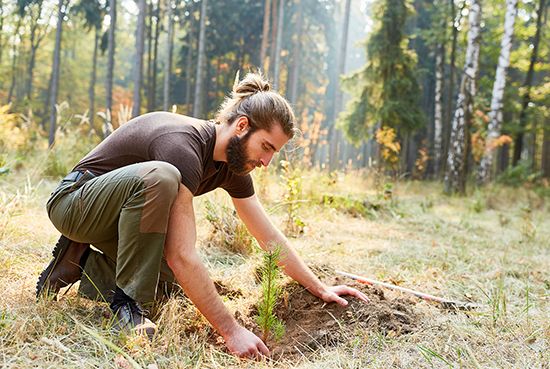
- Revegetation and Reintroduction: After preparing the site, specialists select native seeds, seedlings, or cuttings for planting. Efforts are often made to maximize genetic diversity to help populations survive future changes.1
- Invasive Species Management: A critical part of restoration is the ongoing removal of invasive species that compete with native life. This can involve manual removal, the use of herbicides, or biological control methods, such as introducing specific insects to manage invasive plants.389
- Reestablishing Natural Processes: To ensure long-term sustainability, projects may reintroduce historical disturbance patterns, such as prescribed fire or controlled flooding, which many native species require to thrive.13
How do scientists decide which plants and animals to reintroduce during restoration?
Deciding which plants and animals to reintroduce during ecological restoration is a complex process that relies on historical research, site-specific goals, and ecological principles. Because human-directed efforts cannot perfectly replicate nature, scientists and volunteers use several strategies to determine the appropriate species mix:83
- Historical Records and Models: Restorationists often look to the past to understand what a site should look like. This may involve consulting old botanical treatises, historical lists of species, or examining nearby “remnant” ecosystems that have remained relatively undisturbed.85
- Suitability for Local Conditions: Specialists prioritize species and cultivars that are well-adapted to the specific environmental conditions of the site, such as soil chemistry and climate.3
- Maximizing Genetic Diversity: To ensure long-term resilience, restorationists often collect seeds or propagules from a large number of source individuals. High genetic diversity helps populations better survive future disturbances and environmental changes.3
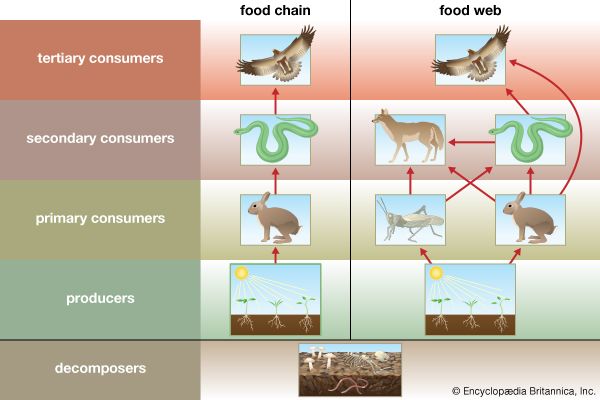
- Functional Roles: The goal is often to restore the “intricate webs of relationships” that define a healthy ecosystem. This includes selecting species that provide essential habitat for native wildlife or fulfill specific roles in the food web.83
- Adaptive Management: Because restoration is an ongoing experiment, scientists monitor the site to see which species thrive. If the wrong mix is chosen, the site may require constant weeding and reseeding, leading to adjustments in the restoration plan.85
Ultimately, the selection process must balance the desire for “authentic” native communities with the practical realities of available resources and the specific ecological needs of the landscape.11
Sources
- ecological restoration — Encyclopædia Britannica
- ecological restoration - North American eastern deciduous forest — Encyclopædia Britannica
- ecological restoration - Implementation — Encyclopædia Britannica
- ecological restoration - Concepts — Encyclopædia Britannica
- conservation - Habitat restoration — Encyclopædia Britannica
- reforestation — Encyclopædia Britannica
- Wetland - Wetland functions and ecosystem benefits — Encyclopædia Britannica
- How Do You Rewild an Environment? — Encyclopædia Britannica
- conservation - Removing invasive species — Encyclopædia Britannica
- invasive species - Solutions — Encyclopædia Britannica
- community ecology - Community equilibrium and species diversity — Encyclopædia Britannica
- ecological restoration - Ongoing issues and debates — Encyclopædia Britannica
Published on · 4 min read