Bulbul
The term "bulbul" refers to two distinct concepts. Primarily, it identifies any of approximately 140 species of active, noisy, and plain-colored birds…
What is Bulbul?
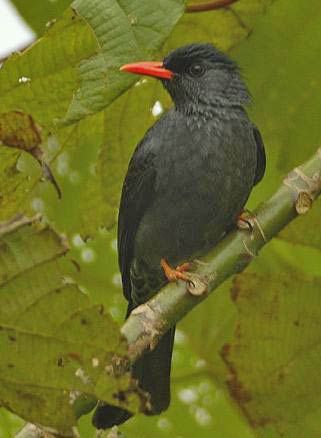
The term “bulbul” refers to two distinct concepts. Primarily, it identifies any of approximately 140 species of active, noisy, and plain-colored birds belonging to the family Pycnonotidae, found throughout Africa and Asia. These birds range from 14 to 28 cm in length and include various species such as the African bulbul, the red-whiskered bulbul, and the black bulbul.12
Additionally, the term has a historical and literary usage; in Persian poetry, “bulbul” frequently refers to a songbird that is likely the nightingale (Luscinia megarhynchos). The word itself is derived from Persian and Arabic origins.2
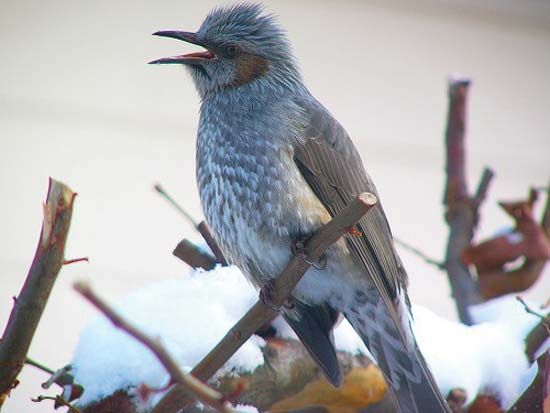
How do bulbuls differ from nightingales?
Bulbuls and nightingales are distinct groups of birds that belong to different biological families, though they are sometimes conflated in literature.
- Biological Classification: Bulbuls belong to the family Pycnonotidae, whereas nightingales are members of the family Turdidae (the thrush family).234
- Characteristics: Bulbuls are generally described as active, noisy, and plain-colored birds found across Africa and Asia, ranging from 14 to 28 cm in length. In contrast, the Eurasian nightingale is a small, brown bird approximately 16 cm long with a rufous tail, renowned specifically for its strong, varied, and complex song.34
- Literary Context: The confusion between the two often stems from Persian poetry, where the term “bulbul” is frequently used to refer to the nightingale (Luscinia megarhynchos) due to its reputation as a songbird.2
While both are passerine birds, they are taxonomically separate and possess different behavioral and physical traits.243
What do bulbuls typically eat in their natural habitat?
Bulbuls are active, noisy birds that are known to have a varied diet in their natural habitats. While they are sometimes observed damaging orchards, their typical diet consists of a mix of plant-based foods. Specifically, many species, such as the green bulbuls of Southeast Asia and the Southwest Pacific, feed chiefly on fruits and nectar.13
Because of their feeding habits, some species are occasionally referred to as “fruitsuckers” or “leafbirds”. Their tendency to forage in trees and consume cultivated crops is why they are sometimes considered pests in agricultural settings.31
Why are some bulbuls considered pests to farmers?
Bulbuls are considered pests to farmers primarily because of their feeding habits in agricultural environments. As active birds that frequently forage in trees, they are known to damage orchards by consuming cultivated fruits and crops. Their tendency to congregate in these areas can lead to significant losses for growers, as they feed on the produce that farmers rely on for their livelihoods.1
Sources
- Bulbul — Encyclopædia Britannica
- bulbul — Merriam-Webster
- piciform - Annotated classification — Encyclopædia Britannica
- Nightingale — Encyclopædia Britannica
- Columbiform - General habits — Encyclopædia Britannica
- green bulbul — Merriam-Webster
Published on · 2 min read