Buton
Buton (also known as Butung or Boetoeng) is an Indonesian island located in the province of Southeast Sulawesi. Covering an area of approximately 1,620…
What is Buton?
Buton (also known as Butung or Boetoeng) is an Indonesian island located in the province of Southeast Sulawesi. Covering an area of approximately 1,620 square miles, the island is characterized by dense forests and a central chain of limestone hills reaching elevations of 3,904 feet.12
The island’s administrative center, primary port, and chief town is Baubau, situated on the southwestern coast. Economically, the island is notable for its natural asphalt deposits and the production of teak, which is utilized for boatbuilding. Agriculture and trade are central to the local economy, with exports including coconuts, copra, dried fish, sugar, tobacco, sago flour, and coffee. Additionally, the coastal population, largely composed of Buginese people, engages in fishing, maritime trade, weaving, and copperwork. Buton is part of a larger island group that includes Muna, Wowoni, and Kabaena.1
What is the significance of natural asphalt in Buton’s economy?
Natural asphalt is a significant economic resource for the island of Buton. While the island’s economy is diverse—relying on agriculture, maritime trade, and traditional crafts like weaving and copperwork—the extraction and availability of natural asphalt serve as a key industrial asset for the region. This resource distinguishes Buton’s economic profile within the Southeast Sulawesi province, complementing other primary outputs such as teak, copra, and various agricultural products.1
Who are the Buginese people and what is their cultural influence?
The Bugis (or Buginese) are a prominent ethnic group originating from the southwestern limb of Celebes (Sulawesi), Indonesia. Numbering approximately five million at the turn of the 21st century, they are recognized as a culturally dominant group known for their maritime expertise and historical adventurism.3
Cultural Influence and History
The Bugis have exerted significant influence across the Malay Archipelago through their role as a maritime people. Historically, they engaged in extensive interisland trade, which led them to establish settlements far from their homeland, including areas in Selangor and Riau. Their expansion was so significant that they created states and challenged the Dutch East India Company for control of regional trade, particularly in tin.3
Their cultural development was shaped by several major influences:
- Early Traditions: Before converting to Islam in the early 17th century, the Bugis adopted Indian customs, including a hierarchical social structure and a sophisticated form of writing used to record a rich literature.3
- Maritime Identity: Beyond rice cultivation, the Bugis are renowned for their boat-making skills and presence in coastal towns throughout Indonesia, where they continue to practice traditional crafts like weaving and copperwork.14
What other islands make up the Southeast Sulawesi province?
In addition to the mainland of Celebes, the province of Southeast Sulawesi encompasses several significant islands and island groups, including:
- Buton
- Muna
- Wowoni
- Kabaena
- Tukangbesi island group
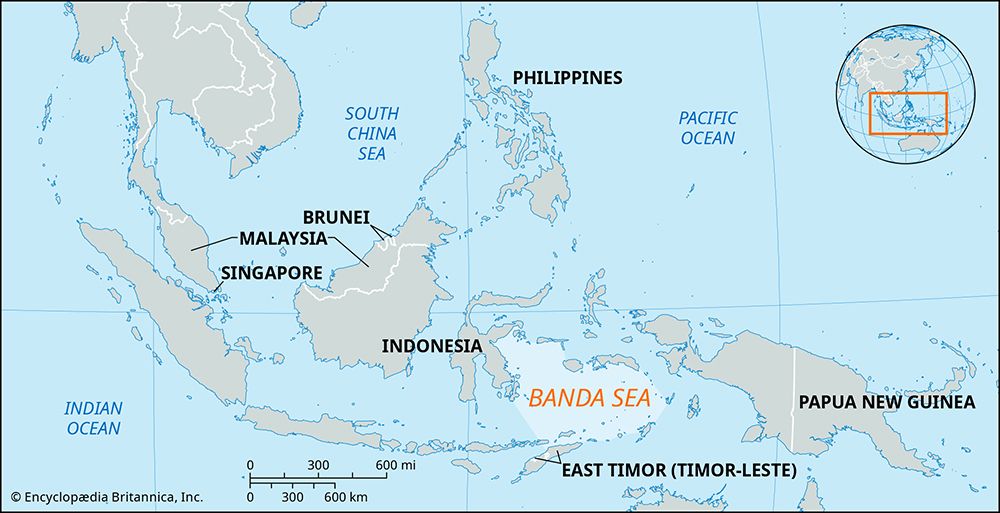
These islands are situated within the Flores and Banda seas, contributing to the diverse geography of the province.51
Sources
- Buton — Encyclopædia Britannica
- Buton — Merriam-Webster
- Bugis — Encyclopædia Britannica
- Indonesia - Western islands — Encyclopædia Britannica
- Southeast Sulawesi — Encyclopædia Britannica
Published on · 2 min read