California Coastal National Monument
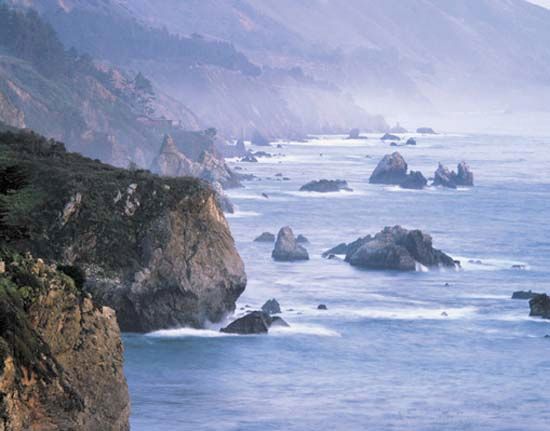
The California Coastal National Monument serves as a vital conservation tool by protecting a 1,100-mile-long offshore ecosystem that spans from the Oregon…
How does the California Coastal National Monument contribute to conservation efforts?
The California Coastal National Monument serves as a vital conservation tool by protecting a 1,100-mile-long offshore ecosystem that spans from the Oregon border to Mexico.1
By safeguarding thousands of rocks, pinnacles, reefs, and islands exposed above the high-tide line, the monument preserves essential habitats that have been increasingly encroached upon by human development. These protected areas provide critical nesting and feeding grounds for numerous seabird species, such as pelicans, gulls, and plovers, which rely on these offshore sites as safe havens. Additionally, the monument supports a diverse range of marine mammals, including sea otters, seals, and sea lions, ensuring the integrity of the broader coastal environment. Through this comprehensive protection of the shoreline and continental shelf, the monument helps maintain the ecological balance of California’s unique coastal landscape.1
What is the California Coastal National Monument and when was it established?
The California Coastal National Monument is a protected offshore ecosystem that stretches along the entire 1,100-mile coastline of California, reaching from the border of Oregon to Mexico.1
Established in 2000, the monument encompasses an area 12 nautical miles wide, extending from the shoreline to the edge of the continental shelf. Its unique design focuses on protecting thousands of rocks, pinnacles, reefs, and islands that are exposed above the high-tide line. By preserving these features, the monument safeguards a complete coastal ecosystem that provides essential nesting and feeding grounds for seabirds—such as gulls, terns, pelicans, and plovers—and serves as a habitat for marine mammals, including sea otters, seals, and sea lions.1
How does the California Coastal National Monument differ from other national monuments in the United States?
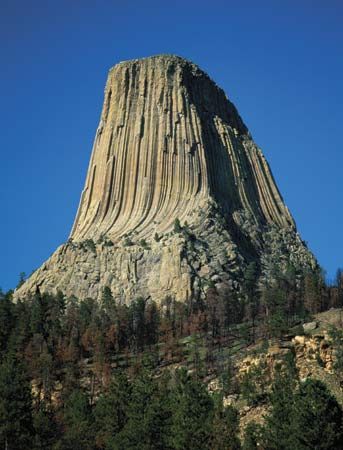
The California Coastal National Monument is distinct from many other national monuments in the United States due to its unique geographic design and focus on a linear, offshore ecosystem. While most national monuments are defined by specific land-based sites—such as historical structures, archaeological remains, or singular natural features like Devils Tower—the California Coastal National Monument spans an entire 1,100-mile coastline.123
Key differences include:
- Geographic Scope: Unlike localized monuments, this site covers a 12-nautical-mile-wide strip extending from the shoreline to the edge of the continental shelf along the entire California coast.1
- Focus on Offshore Features: Its primary components are thousands of rocks, pinnacles, reefs, and islands exposed above the high-tide line, rather than a contiguous landmass.1
- Ecosystem Protection: It is specifically designed to protect a complete coastal ecosystem, providing a refuge for seabirds and marine mammals displaced by mainland human development.1
In contrast, other marine monuments, such as the Papahānaumokuākea Marine National Monument, are characterized by vast, isolated archipelagos and deep-ocean waters, often serving as large-scale, fully protected wilderness areas.4
What types of wildlife and plant species are protected within the monument?
The California Coastal National Monument serves as a critical refuge for a variety of wildlife species that rely on its protected rocks, islands, and reefs. Because the monument encompasses a vast, linear ecosystem, it provides essential nesting and feeding grounds for numerous seabirds, including:
- Gulls
- Terns
- Pelicans
- Plovers
These birds often utilize the monument’s offshore formations as a sanctuary after being displaced from traditional mainland habitats by human development. Additionally, the monument supports a diverse range of marine mammals, most notably:
- Sea otters
- Seals
- Sea lions
While the monument protects the broader coastal ecosystem—including tide pools and rocky shores—the provided information does not specify particular plant species protected within its boundaries.1
Sources
- California Coastal National Monument — Encyclopædia Britannica
- national monument — Encyclopædia Britannica
- Antiquities Act of 1906 — Encyclopædia Britannica
- Papahānaumokuākea Marine National Monument — Encyclopædia Britannica
Published on · 3 min read