Campo Del Cielo Craters
The Campo del Cielo craters are a group of small impact craters located in the Gran Chaco region of north-central Argentina.
What is Campo del Cielo craters?
The Campo del Cielo craters are a group of small impact craters located in the Gran Chaco region of north-central Argentina.1
Identified as having a meteoritic origin in 1933, the site features a largest crater measuring 250 feet (75 metres) in diameter, with a rim rising 3 feet (1 metre) above the surrounding terrain. Evidence of an impact explosion, such as fused silica glass, has been discovered in nearby smaller craters. The area is also notable for the discovery of several large meteorites—the first found as early as 1576—which are believed to be associated with the event that formed the craters. If the numerous small, circular lakes in the vicinity are confirmed to be of meteoritic origin, this site could represent the largest group of such craters in the world.1
What is the difference between a meteor, a meteorite, and a meteoroid?
The terms meteoroid, meteor, and meteorite describe the same object at different stages of its journey through space and into Earth’s atmosphere.2
- Meteoroid: While floating through interplanetary space, a small piece of cometary or asteroidal material is called a meteoroid. These objects are typically house-sized or smaller, ranging down to tiny particles known as micrometeoroids.32
- Meteor: When a meteoroid enters Earth’s atmosphere at high velocity, it undergoes intense frictional heating. This causes the object to vaporize and creates a glowing streak of light in the sky, commonly known as a “shooting star” or meteor.32
- Meteorite: If a meteoroid is large enough or strong enough to survive its passage through the atmosphere without being completely vaporized, the portion that lands on Earth’s surface is called a meteorite.342
In short, the object is a meteoroid in space, a meteor while burning in the atmosphere, and a meteorite if it reaches the ground.2
How do scientists determine if a crater was caused by a meteorite?
Scientists identify a crater as having a meteoritic origin by looking for specific geological evidence that cannot be produced by other natural processes, such as volcanic activity. Because surface features like crater walls and meteorite fragments are often destroyed by erosion and weathering over time, researchers rely on the following indicators:
- Shatter Cones: These are conically shaped structures found in the bedrock directly beneath the impact point. They radiate in a unique pattern caused by the intense, sudden pressure of an impact, making them a primary diagnostic tool for identifying ancient impact structures.7
- High-Pressure Minerals: The presence of minerals like coesite and [stishovite]—which are high-pressure modifications of silica—serves as strong evidence of the extreme forces involved in a meteorite impact.8
- Debris and Stratigraphy: Scientists examine the surrounding area for inverted stratigraphy (where rock layers are overturned) and the presence of metallic droplets or fragments that condensed from the vaporized impactor.8
What are the most famous meteorite impact sites on Earth?
Earth has been shaped by numerous impact events throughout its history. Some of the most significant and well-known sites include:
- Vredefort Dome: Located in South Africa, this is the largest known impact crater on Earth. Formed approximately two billion years ago by an asteroid at least 10 km wide, the original crater was estimated to be 180–300 km in diameter, though erosion has significantly reduced its visibility today.12
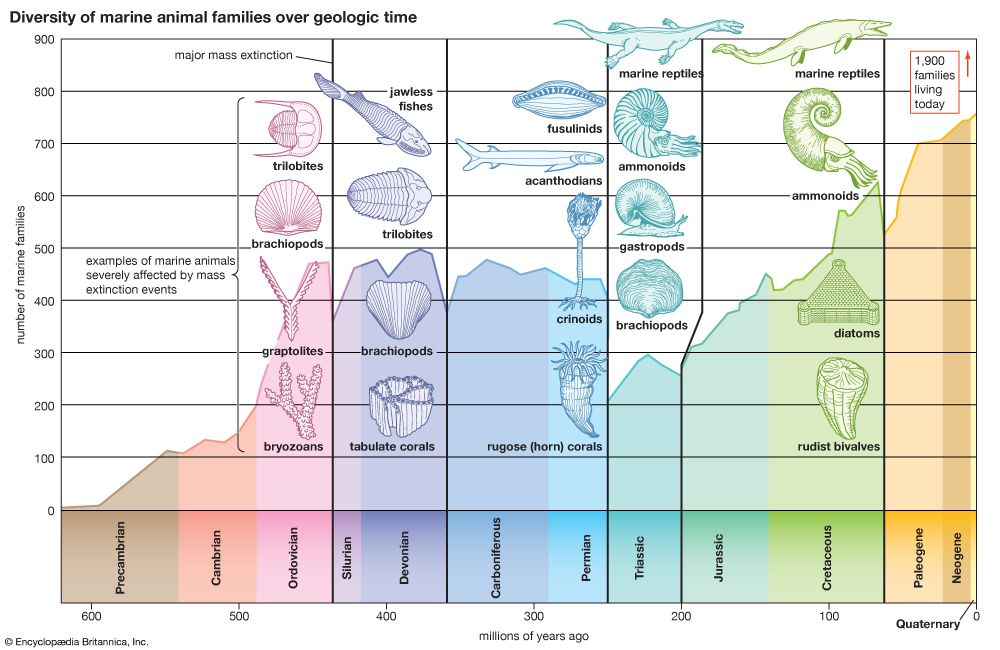
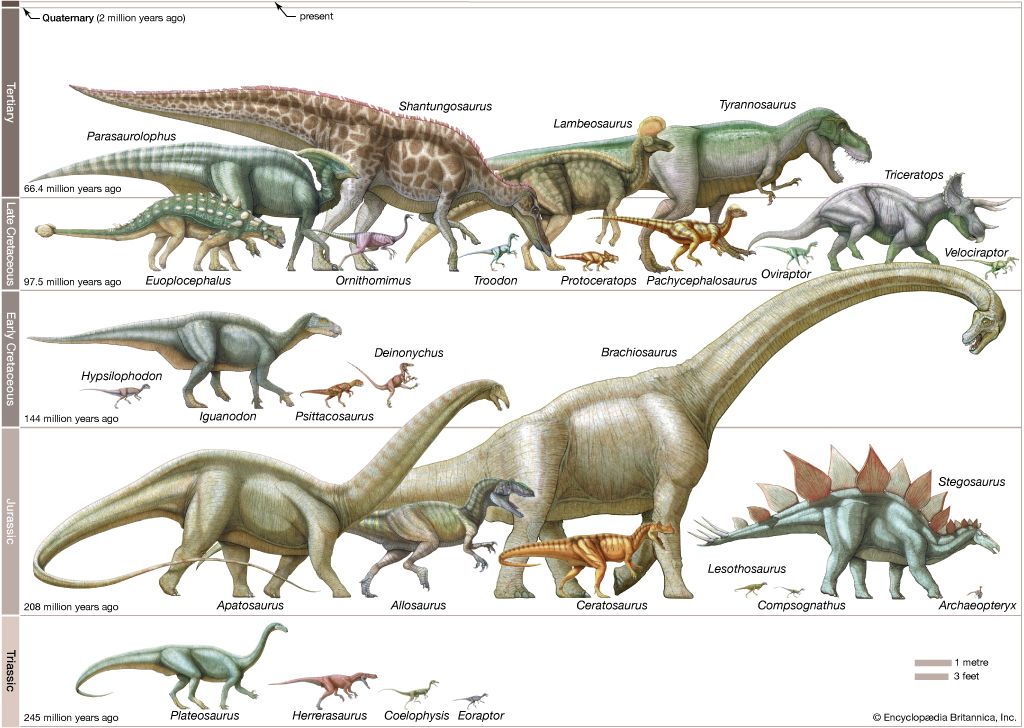
- Chicxulub crater: Buried beneath the Yucatán Peninsula in Mexico, this 180-km-wide crater was formed 66 million years ago. It is widely associated with the mass extinction that led to the demise of the dinosaurs.131412
- Meteor Crater: Situated in Arizona, this is one of the best-preserved terrestrial impact craters. It is approximately 1.2 km across and 200 meters deep, created about 50,000 years ago by an iron meteoroid.13
While not a crater-forming event, the 1908 Tunguska event in Siberia remains the largest impact event in recorded history, where an object exploded in the atmosphere, flattening forests over a vast area.12
Sources
- Campo del Cielo craters — Encyclopædia Britannica
- Meteor and meteoroid — Encyclopædia Britannica
- meteor — Merriam-Webster
- meteorite — Merriam-Webster
- Meteorite — Encyclopædia Britannica
- What’s the Difference Between a Meteoroid, a Meteor, and a Meteorite? — Encyclopædia Britannica
- impact structure — Encyclopædia Britannica
- Meteor Crater — Encyclopædia Britannica
- Meteorite crater - Meteorite craters as measures of geologic activity — Encyclopædia Britannica
- Crater — Encyclopædia Britannica
- Meteorite crater - Variations in craters across the solar system — Encyclopædia Britannica
- Meteor and meteoroid - Meteorites —meteoroids that survive atmospheric entry — Encyclopædia Britannica
- Chicxulub crater — Encyclopædia Britannica
- Impact event — Encyclopædia Britannica
Published on · 3 min read