Cape San Lucas
The name "Cape San Lucas" is a common anglicization of Cabo San Lucas, which is the correct geographical name for the resort city located in western Mexico.
What is Cape San Lucas?
The name “Cape San Lucas” is a common anglicization of Cabo San Lucas, which is the correct geographical name for the resort city located in western Mexico.1
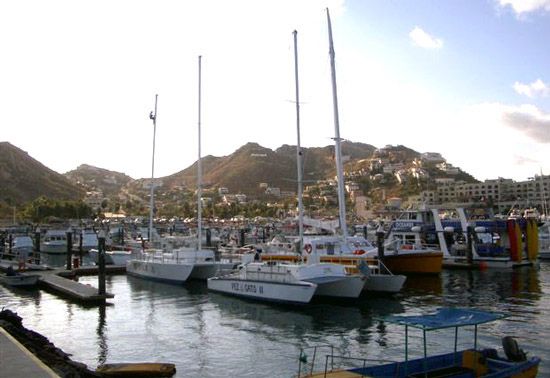
Cape San Lucas itself is the rocky headland that forms the extreme southern tip of the Baja California peninsula. This headland marks the southern extremity of the Sierra de San Lazaro and encompasses the western shore of San Lucas Bay. The town of Cabo San Lucas, a popular tourist destination known for its numerous resorts and hotels, is situated approximately 2 miles (3 km) north of the cape.21
What is the geography of the Baja California peninsula?
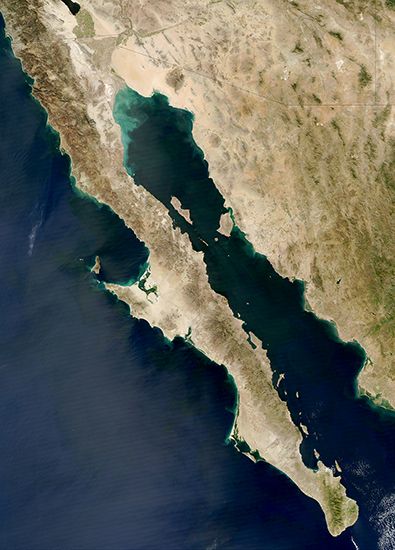
The Baja California peninsula is a 760-mile-long landmass in northwestern Mexico. It is bounded by the United States to the north, the Gulf of California to the east, and the Pacific Ocean to the south and west.3
Geological Features
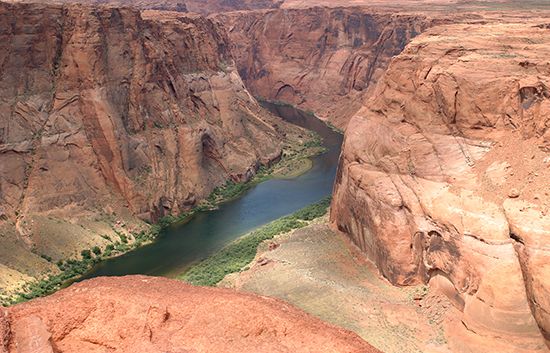
The peninsula is characterized by a fault block that rises sharply on the gulf side and slopes gently toward the Pacific. A chain of rugged, northwest-southeast trending peaks forms the spine of the region, including the granitic Juarez and San Pedro Martir mountains. The central region features volcanoes and vast lava flows, while the southern area near La Paz narrows into an isthmus before rising into a final granite range. The northern tip contains a delta formed by the Colorado River.3
Climate and Ecology
The region is divided into three climatic zones:
- Northwest: Receives winter cyclonic rain and fog, supporting vegetation similar to southern California.3
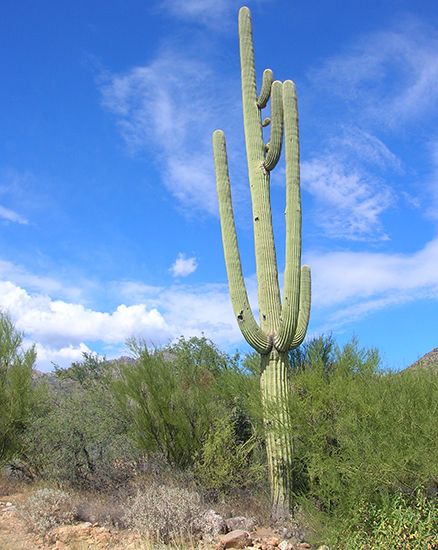
- Central: An arid desert zone featuring specialized flora like the giant cactus, boojum tree, and elephant tree.3
- South: Experiences late summer tropical rains, supporting desert shrubs and semideciduous forests.3
What kind of marine life is found near the southern tip of Baja?
The waters surrounding the southern tip of the Baja California peninsula are rich in marine biodiversity, serving as a critical habitat for a variety of species.
Marine Mammals
The region is a significant destination for migratory marine mammals. The gray whale is perhaps the most famous, undertaking a massive migration from the Arctic to winter in the lagoons off the coast of Baja California to breed. Additionally, the area supports populations of California sea lions and various species of seals, which utilize the coastal areas and islands as breeding grounds and sanctuaries.45
Fish and Invertebrates
The Gulf of California, which meets the Pacific at the peninsula’s southern tip, contains some of Mexico’s most productive commercial fishing grounds. Key species found in these waters include:
- Fish: Tuna, sardines, and various game fish that support local sport-fishing fleets.6
- Shellfish and Crustaceans: The region is known for its harvest of shrimp, lobsters, mussels, oysters, and clams.65
- Other Marine Life: The waters also host cephalopods, such as squid and octopus, and are home to red plankton, which famously led early explorers to name the gulf the “Vermilion Sea”.6
How does the climate of Cabo San Lucas compare to other parts of Mexico?
The climate of Cabo San Lucas, located at the southern tip of the Baja California peninsula, is distinct from much of the rest of Mexico due to its arid nature and specific regional influences.1013
Comparison with Other Regions
- Precipitation: While much of central and southern Mexico receives significant rainfall (often exceeding 40 inches annually) from May through August, the southern tip of Baja California is significantly drier. This area typically receives only about 5 inches of rain annually on the coast, primarily from late summer tropical rains.103
- Temperature Extremes: Unlike the tropical regions of southern Mexico, where seasonal temperature variations are minimal, the Baja peninsula experiences a wider range of temperatures. Lowland temperatures in the peninsula can fluctuate from below freezing to over 100 °F (38 °C).103
- Regional Influences: Much of Mexico is influenced by tropical maritime air masses that bring humidity and heavy rain. In contrast, the climate of the southern Baja peninsula is defined by its desert environment, with the Pacific side remaining much cooler than the hot, humid Gulf of California coast during the summer.103
Sources
- Cape San Lucas — Encyclopædia Britannica
- Cabo San Lucas — Merriam-Webster
- Baja California — Encyclopædia Britannica
- Sebastián Vizcaíno Bay — Encyclopædia Britannica
- Migration - Marine mammals — Encyclopædia Britannica
- cetacean - Distribution and migration — Encyclopædia Britannica
- sea lion — Encyclopædia Britannica
- Gulf of California — Encyclopædia Britannica
- Baja California Sur — Encyclopædia Britannica
- Mexico - Climate — Encyclopædia Britannica
Published on · 3 min read