Campobello Island
Campobello Island offers a variety of recreational and cultural experiences centered on its natural beauty and historical significance.
What cultural or recreational activities are popular on Campobello Island for both residents and tourists?
Campobello Island offers a variety of recreational and cultural experiences centered on its natural beauty and historical significance.
- Roosevelt Campobello International Park: This major site preserves the summer home of President Franklin D. Roosevelt. Visitors can explore the 34-room cottage, which serves as a memorial museum, and enjoy the extensive grounds of the 2,721-acre park.1
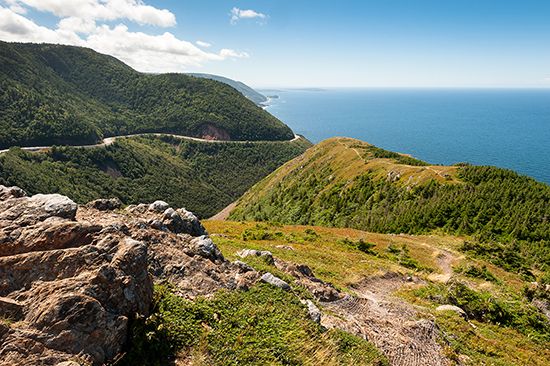
- Outdoor Recreation: The island’s geography, characterized by rugged headlands and sandy coves, provides a scenic backdrop for fishing and coastal exploration. The island is also home to Campobello Provincial Park, which overlooks the picturesque Herring Cove.1
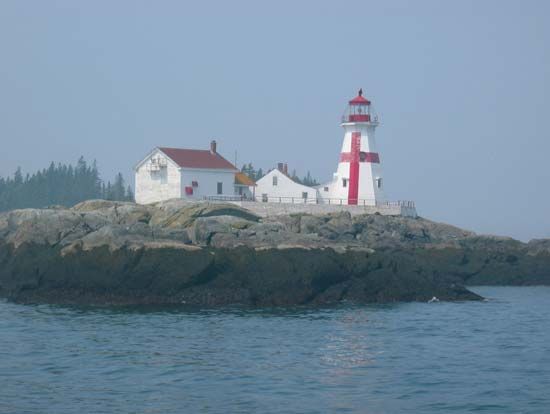
- Sightseeing: The island is known for its dramatic coastline and historic lighthouses, which are popular attractions for both residents and tourists.1
The island is connected to Lubec, Maine, via the Roosevelt International Bridge, facilitating travel between the two regions.1
Are there any significant lighthouses or maritime features on Campobello Island?
Campobello Island is well-regarded for its maritime character, featuring a rugged coastline defined by headlands and various inlets that serve as havens for fishing vessels. The island is specifically noted for its picturesque lighthouses, which are significant landmarks along its shores.1
While the island itself hosts these scenic maritime features, it is also situated near other notable navigational structures in the region, such as the historic lighthouse located at Quoddy Head State Park in nearby Lubec, Maine, which dates back to 1808.2
What unique wildlife and natural attractions can be found on Campobello Island?
Campobello Island, located at the entrance to Passamaquoddy Bay, is defined by its distinct coastal geography rather than specific wildlife species. The island’s natural landscape features rugged headlands and sandy coves that serve as essential havens for fishing boats.1
Key natural attractions on the island include:
- Roosevelt Campobello International Park: This 2,721-acre (1,101-hectare) park preserves the natural environment surrounding the historic summer home of Franklin D. Roosevelt.1
- Herring Cove: Located on the island’s west coast, this scenic area is a primary feature of the Campobello Provincial Park and is noted for its picturesque views.1
- Coastal Terrain: The island’s overall appearance—described by its name, which means “fair field”—is characterized by its indented shoreline and dramatic cliffs, which are complemented by various lighthouses along the coast.1
While the island is a significant site for maritime activity and historical preservation, the provided information does not detail specific wildlife populations found on the island.
How did Campobello Island get its name, and what is the meaning behind it?
The name “Campobello” was contrived in 1770 by Captain William Owen of the Royal Navy, who had been granted the island in 1767.2
Owen created the name by combining the name of Lord William Campbell, who was serving as the provincial governor at the time, with the Spanish-Italian term campobello, which translates to “fair field”. This name was chosen to reflect the island’s scenic appearance, characterized by its rugged headlands and indented shoreline.2
Sources
- Campobello Island — Encyclopædia Britannica
- Campobello — Merriam-Webster
- Lubec — Encyclopædia Britannica
Published on · 2 min read