Can Eating Too Many Carrots Make Your Skin Turn Orange?
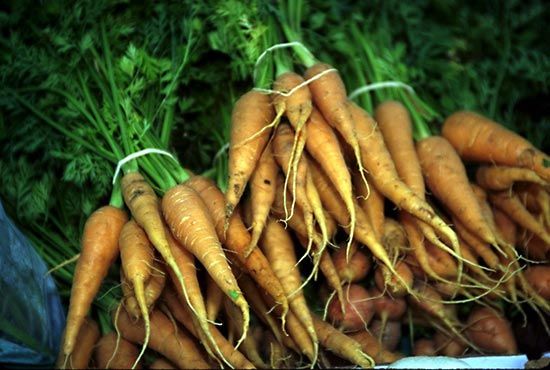
Yes, eating an excessive amount of carrots can indeed cause your skin to take on an orange hue. This condition is known as carotenemia.

Can Eating Too Many Carrots Make Your Skin Turn Orange?
Yes, eating an excessive amount of carrots can indeed cause your skin to take on an orange hue. This condition is known as carotenemia.12
It occurs because carrots and other orange produce are rich in beta-carotene, a pigment that the body normally converts into vitamin A in the small intestine. When you consume high levels of this pigment, your body cannot convert all of it into vitamin A. The excess beta-carotene then circulates in the bloodstream and can deposit in the skin, particularly on the palms, soles of the feet, and the nose.2
While this discoloration can be mistaken for jaundice, carotenemia is generally harmless and does not affect the whites of the eyes. The skin tone typically returns to normal once you adjust your diet to reduce your intake of carotenoid-rich foods.2
What is the difference between carotenemia and jaundice?
While both carotenemia and jaundice cause yellow-to-orange skin discoloration, they stem from different causes and have different clinical implications.
Key Differences
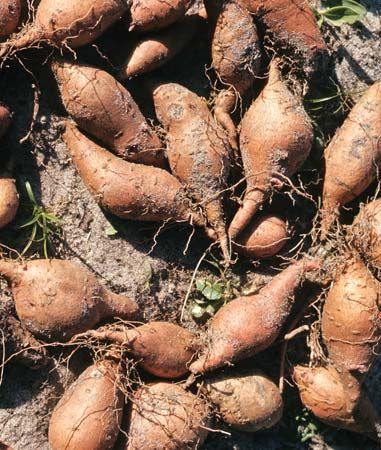
- Cause: Carotenemia is caused by an excess of carotene in the blood, typically resulting from the overconsumption of carotenoid-rich foods like carrots, sweet potatoes, or oranges. In contrast, jaundice is caused by an accumulation of bile pigments, specifically bilirubin, in the bloodstream and tissues.13
- Clinical Presentation: A primary diagnostic distinction is that jaundice affects the whites of the eyes and mucous membranes, whereas carotenemia typically does not.3
- Underlying Health: Carotenemia is generally a benign condition related to diet. Jaundice, however, is often an important symptom of an underlying bodily disturbance, such as liver disease, cirrhosis, anemia, or obstructions in the bile ducts.13
While carotenemia resolves by adjusting one’s diet, jaundice requires medical evaluation to address the systemic issues causing the pigment buildup.13
Why is vitamin A important for the human body?
Vitamin A is a fat-soluble compound essential for several critical biological functions in the human body. Its primary roles include:
- Vision: It is vital for normal sight, particularly in low-light conditions. Vitamin A is converted into retinaldehyde, a component of rhodopsin, a light-sensitive pigment in the retina that allows the eye to adapt to darkness4.4
- Cellular Health: In the form of retinoic acid, it regulates cell growth, differentiation, and morphogenesis. It is essential for maintaining the integrity of epithelial tissues, which include the skin and the mucous membranes lining internal body surfaces.54
- Immune Function: Vitamin A is necessary for a properly functioning immune system and helps the body maintain resistance against bacterial infections.54
- Development and Growth: It plays a key role in embryonic development, general growth, and sperm formation.54
- Iron Utilization: The vitamin is also required for the body to effectively utilize iron.5
Because it is fat-soluble, the body stores excess vitamin A in the liver, meaning it does not need to be consumed in large quantities daily.54
What other foods contain high levels of beta-carotene?
Beta-carotene is a pigment responsible for the yellow, orange, and red colors found in many plant-based foods. Beyond carrots and sweet potatoes, other foods that contain high levels of this pigment include:
- Fruits: Apricots and pumpkins are notable sources of carotene.6
- Flowers: Certain flowers, such as dandelions and marigolds, also contain these pigments.6
While beta-carotene is a primary source of vitamin A in the human diet, it is important to note that vitamin A itself is found in animal-derived products like liver, eggs, and milk fat, whereas beta-carotene is specifically the plant-based precursor that the body converts into the vitamin.62
Sources
- carotenemia — Encyclopædia Britannica
- Can Eating Too Many Carrots Make Your Skin Turn Orange? — Encyclopædia Britannica
- jaundice — Encyclopædia Britannica
- vitamin A deficiency — Encyclopædia Britannica
- vitamin A — Encyclopædia Britannica
- Carotene — Encyclopædia Britannica
Published on · 3 min read