Carrot
The carrot is a herbaceous, generally biennial plant belonging to the Apiaceae family, also known as the parsley family.
What is the scientific name and classification of the carrot plant?
The carrot is a herbaceous, generally biennial plant belonging to the Apiaceae family, also known as the parsley family.12
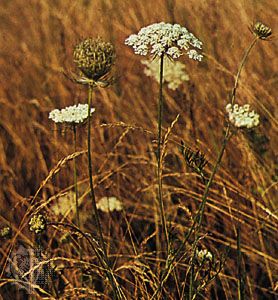
Its scientific name is Daucus carota. Within this species, the common garden carrot is classified as the subspecies Daucus carota sativus. The wild ancestor of the cultivated carrot is known as Daucus carota carota, commonly referred to as Queen Anne’s lace.132
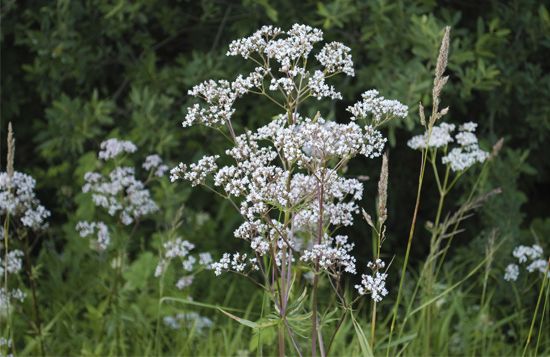
The plant is characterized by its edible taproot and its production of flat-topped flower clusters known as umbels. While the domesticated subspecies is widely grown for its roots, the wild variety is native to Eurasia and is often considered a weed in other regions.132
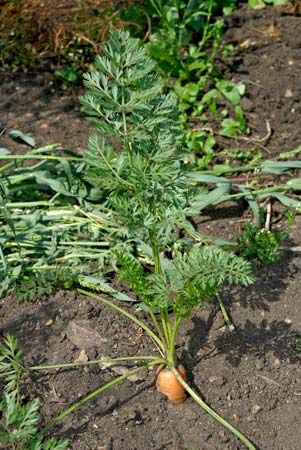
What are some common varieties of carrots and how do they differ?
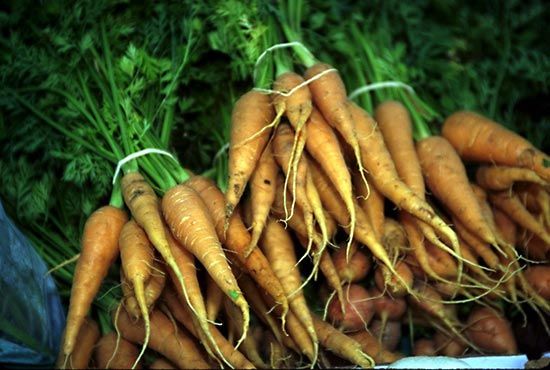
Common varieties of carrots are primarily distinguished by their root shape and flesh color. While the familiar orange carrot is widely recognized, cultivated varieties exhibit a diverse range of physical characteristics.1
Variations in Shape and Color
- Root Shape: The shape of the edible taproot varies significantly among varieties, ranging from globular to long. The lower ends of these roots can be either blunt or pointed.1
- Flesh Color: Beyond the standard orange-fleshed varieties, there are also carrots with white, yellow, and purple flesh.1
Selection and Quality
When selecting carrots, the most tender options are typically the smaller types. Regardless of the variety, high-quality carrots should be firm and crisp, featuring smooth, unblemished skin. The intensity of the orange color is often an indicator of higher carotene content, which is a valuable source of provitamin A.1
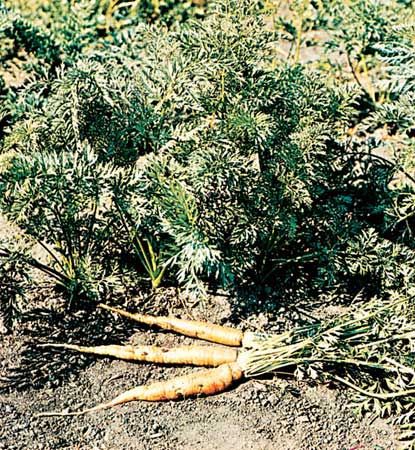
How do wild carrots differ from cultivated carrots?
Wild carrots (Daucus carota carota), commonly known as Queen Anne’s lace, differ significantly from their cultivated counterparts (Daucus carota sativus) in both utility and physical characteristics.31
- Root Quality: While both subspecies produce edible roots, the wild carrot’s root is typically acrid and woody, whereas the cultivated carrot has been selectively bred for a tender, palatable taproot3.1
- Physical Features: Wild carrots often feature a distinct dark purple flower in the center of their white or pinkish umbels, and their fruits are covered in sharp, ribbed spines. In contrast, seeds sold for commercial cultivation have these spines removed to facilitate planting.31
- Usage and Safety: Cultivated carrots are grown specifically for food and are a rich source of carotene. Conversely, wild carrots are often considered weeds and are frequently foraged. However, foraging for wild plants in the Apiaceae family requires expert identification, as many related species contain potent neurotoxins that can be dangerous if consumed.134
What is the difference between a biennial plant and an annual plant?
The primary difference between annual and biennial plants is the duration of their life cycles.
- Annuals: These plants complete their entire life cycle—germination, growth, flowering, seed production, and death—within a single growing season. production, and death—within a single growing season. The only part of the plant that survives from one season to the next is the dormant seed. Common examples include corn, lettuce, and peas.65
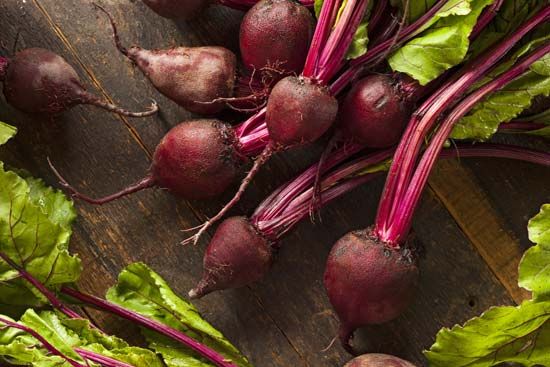
- Biennials: These plants require two growing seasons to complete their life cycle. During the first season, they focus on vegetative growth, producing roots, stems, and leaves. In the second season, they produce flowers, fruits, and seeds before dying. Familiar examples include carrots, parsley, and beets.75
While some biennials are harvested in their first year for their edible roots, they are biologically programmed to use those stored nutrients to fuel their reproductive growth in the second year if left in the ground.7
Sources
- Carrot — Encyclopædia Britannica
- list of plants in the family Apiaceae — Encyclopædia Britannica
- Queen Anne’s lace — Encyclopædia Britannica
- minari: Top Questions — Encyclopædia Britannica
- Biennial — Encyclopædia Britannica
- Annual — Encyclopædia Britannica
- Angiosperm - General features — Encyclopædia Britannica
Published on · 3 min read