Cape Ann
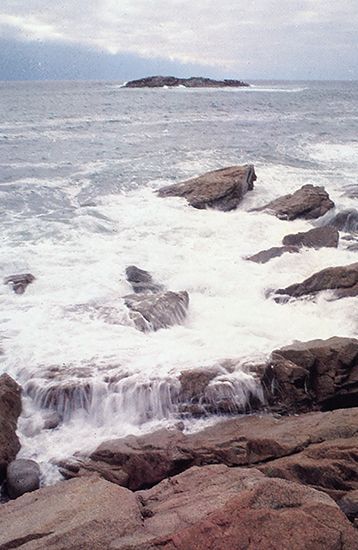
Cape Ann is a rocky, picturesque promontory located in northeastern Massachusetts, approximately 30 miles northeast of Boston. The cape is well-known for its…
What are the major towns and communities located on Cape Ann?
Cape Ann is a rocky, picturesque promontory located in northeastern Massachusetts, approximately 30 miles northeast of Boston. The cape is well-known for its historic fishing villages, popular resorts, and vibrant artists’ colonies.1
The major towns and communities situated on the cape include:
- Gloucester: Located on the southern side of the cape, this city is a primary hub for the region’s maritime history and industry.1
- Rockport: Situated on the cape, this town is famous for “Motif No. 1,” a historic fishing shed that has served as a frequent subject for painters and photographers.1
What is the geographical location and significance of Cape Ann in Massachusetts?
Cape Ann is a rocky promontory forming the eastern extremity of Essex county in northeastern Massachusetts, located 30 miles northeast of Boston.1
Geographically, the cape extends into the Atlantic Ocean, sheltering Ipswich Bay to the north and the northern portion of Massachusetts Bay to the south. It is indented by Annisquam Harbor and Gloucester Harbor, which are connected by the 4-mile-long, navigable Annisquam River.1
The region holds cultural and historical significance as a destination for artists and tourists, known for its quaint fishing villages and resorts. Major communities include Gloucester and Rockport, the latter of which is home to the iconic “Motif No. 1” fishing shed. Additionally, the cape is noted in literature and maritime history; the reef known as Norman’s Woe, located off the east coast, served as the inspiration for Henry Wadsworth Longfellow’s poem “The Wreck of the Hesperus”.1
How has Cape Ann influenced art and culture, particularly in relation to its maritime heritage?
Cape Ann has long served as a significant source of inspiration for art and culture, deeply rooted in its rugged maritime identity. The region’s picturesque landscapes, characterized by rocky shores and historic fishing villages, have established it as a prominent destination for artists’ colonies.1
A central icon of this cultural heritage is “Motif No. 1,” a historic fishing shed located in the town of Rockport. This structure has become a quintessential symbol of the area’s maritime history, serving as a frequent subject for countless painters and photographers who seek to capture the essence of the cape’s traditional fishing life.1
Beyond visual arts, the region’s maritime environment has influenced literature. The treacherous reef known as Norman’s Woe, located off the coast of Gloucester, is famously immortalized in Henry Wadsworth Longfellow’s poem “The Wreck of the Hesperus,” which draws directly from the area’s history of shipwrecks and the dangers faced by those at sea.1
How has Cape Ann been depicted in literature and film?
Cape Ann has long served as a rich source of inspiration for literature, primarily due to its deep-rooted maritime heritage and the perilous nature of its coastline.
In poetry, the reef known as Norman’s Woe, located off the cape’s eastern coast, is famously immortalized as the setting for Henry Wadsworth Longfellow’s poem “The Wreck of the Hesperus,” which highlights the dangers faced by mariners in the region.13
The city of Gloucester, the primary maritime center on Cape Ann, has also inspired significant works of fiction that capture the life of its fishing community:
- Captains Courageous (1897) by Rudyard Kipling provides a classic depiction of the local fishing industry.3
- Gloucestermen (1930) by James B. Connolly further explores the lives and experiences of the men who sailed from the port.3
While the provided information highlights these literary contributions, the Britannica knowledge base does not contain specific details regarding the depiction of Cape Ann in film.
Sources
- Cape Ann — Encyclopædia Britannica
- Gloucester — Encyclopædia Britannica
- Gloucester — Encyclopædia Britannica
Published on · 3 min read