Cape Chelyuskin
Cape Chelyuskin is a headland located on the Taymyr Peninsula in north-central Siberia, Russia. It holds the distinction of being the northernmost point of…
What is Cape Chelyuskin?
Cape Chelyuskin is a headland located on the Taymyr Peninsula in north-central Siberia, Russia. It holds the distinction of being the northernmost point of both the Taymyr Peninsula and the entire Eurasian landmass, situated at 77°35′ north latitude and 105° east longitude.12
The cape is positioned along a strait that connects the Kara and Laptev seas, separating the mainland from the archipelago of Severnaya Zemlya to the north. The surrounding region is characterized by ancient Precambrian materials and marine terraces that indicate the land is rising relative to the sea level. Due to harsh Arctic conditions, the nearby Vilkitsky Strait remains open to shipping for only two to three months each year.12
The cape was named after the Russian explorer Semyon Chelyuskin, who reached this northernmost tip of Eurasia in 1741 as part of the Great Northern Expedition.3
Who was Semyon Chelyuskin and how did he reach the cape?
Semyon Ivanovich Chelyuskin was a lieutenant in the Russian navy who played a pivotal role in the Great Northern Expedition (1733–1743). This massive, multi-detachment enterprise was commissioned by the Russian Admiralty to map the Arctic coast of Siberia.43
While many vessels involved in the expedition were repeatedly blocked by severe ice conditions, the mapping of the northern coast of the Taymyr Peninsula proved particularly challenging. To overcome these obstacles, the expedition relied on parties traveling overland by dog sledge to fill in the crucial geographical gaps that ships could not reach.3
In 1741, Semyon Chelyuskin led one of these land-based parties. Through his efforts, he successfully reached the northernmost tip of the Siberian mainland, which was subsequently named Cape Chelyuskin in his honor. His achievement was a significant contribution to the expedition’s goal of surveying the entire Arctic coast from Archangel to Cape Bolshoy Baranov.43
What is the significance of the Northeast Passage for modern shipping?
The Northeast Passage, also known as the Northern Sea Route, serves as a vital maritime corridor along the northern coast of Eurasia. Its significance for modern shipping is defined by its role in regional economic development and its potential as a strategic transit route between the Atlantic and Pacific oceans.67
Economic and Regional Importance
The primary utility of the passage is the facilitation of domestic cargo transport within Russia. It supports the movement of essential goods, such as fuel and general cargo, into northern Siberian settlements, while transporting resources like timber and ore out of the region. The route is particularly critical for connecting major Siberian river systems to international markets via transshipment ports like Murmansk and Vladivostok.7
Operational Challenges and Trends
- Navigational Constraints: The route is heavily constrained by sea ice, which necessitates the use of specialized, ice-strengthened vessels and a fleet of powerful icebreakers.78
- Climate Impact: A general trend toward longer ice-free periods each year, driven by global warming, has lengthened the shipping season and increased interest from foreign shippers.67
- Infrastructure: Russia has invested in sophisticated icebreakers and improved port facilities to enhance the route’s viability.6
While the passage offers a shorter alternative to traditional global shipping lanes, its use for full transit remains limited compared to regional traffic. Furthermore, the environmental vulnerability of the Arctic necessitates strict adherence to safety and pollution-control standards to prevent ecological damage.78
What kind of wildlife is found in the harsh environment of the Taymyr Peninsula?
The Taymyr Peninsula is characterized by an exceptionally severe Arctic climate, consisting primarily of tundra covered in mosses, lichens, and bog. This harsh environment supports a specialized range of wildlife adapted to extreme cold and limited resources.11
Mammals of the Tundra
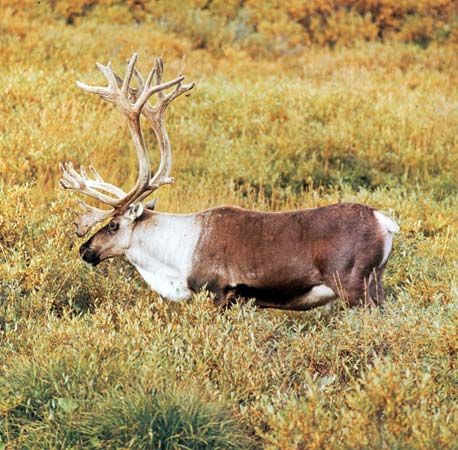
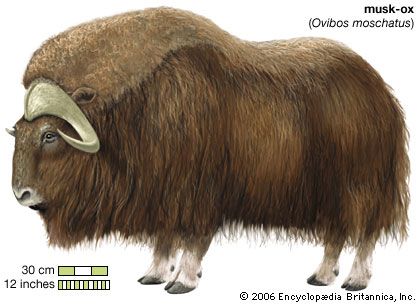
- Herbivores: The reindeer is a characteristic large herbivore of the region, utilizing sharp hooves and antlers to forage for lichens and plants beneath the snow. The musk ox is also well-adapted to the cold, possessing an exceptionally thick coat to retain body heat.12
- Small Mammals: Lemmings are highly prominent; they remain active throughout the winter by living and reproducing under the insulating layer of snow, where they feed on grass and sedge roots.12
- Predators: The population of predators often fluctuates in response to lemming cycles. These include foxes, jaegers, and snowy owls. Wolves and brown bears also inhabit the region, feeding on small mammals, fish, and birds.12
- Marine-Tundra Interface: Polar bears frequent the area, spending significant time on ice floes to hunt seals.12
Many of these animals, such as foxes, Arctic hares, and ptarmigans, utilize seasonal color changes—often turning white in winter—to provide camouflage against the snow, aiding both in hunting and predator avoidance.12
Sources
- Cape Chelyuskin — Encyclopædia Britannica
- Chelyuskin, Cape — Merriam-Webster
- Arctic - Early Russian exploration — Encyclopædia Britannica
- Great Northern Expedition — Encyclopædia Britannica
- Arctic - The Russian Arctic — Encyclopædia Britannica
- Northeast Passage — Encyclopædia Britannica
- Arctic - Conquest of the Northeast Passage — Encyclopædia Britannica
- Arctic - Water transport — Encyclopædia Britannica
- Arctic - Environmental concerns — Encyclopædia Britannica
- Northwest Passage — Encyclopædia Britannica
- Taymyr — Encyclopædia Britannica
- Tundra - Arctic mammals — Encyclopædia Britannica
- Arctic - North-central and northeastern Siberian groups — Encyclopædia Britannica
Published on · 3 min read