Fynbos
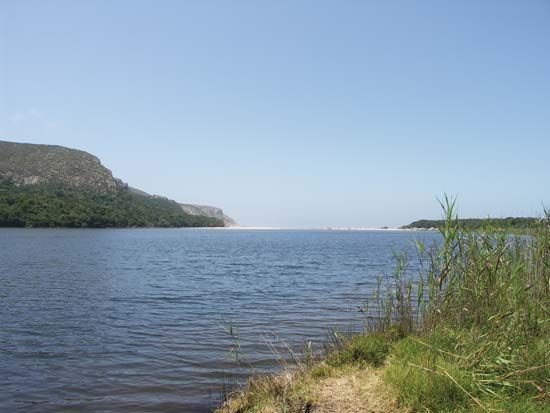
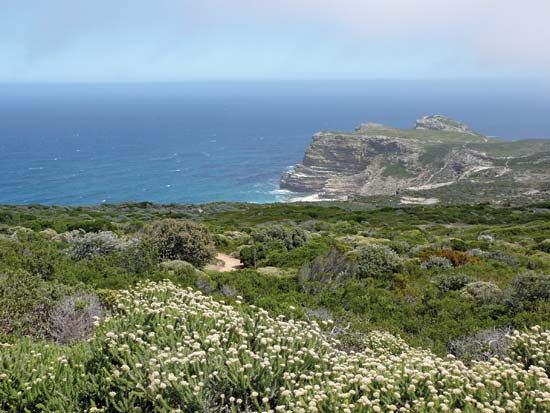
Fynbos is a unique scrubland plant community found along a narrow strip of the extreme southern coast of South Africa. The term, derived from the Afrikaans…
What is Fynbos?
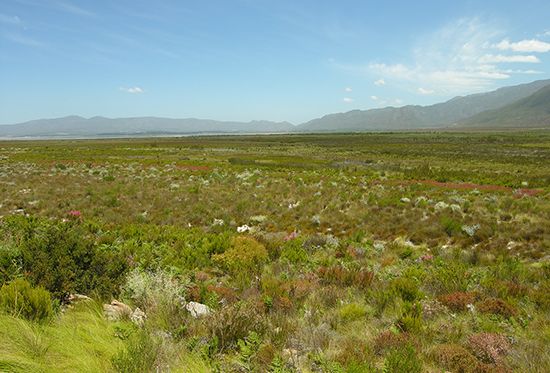
Fynbos is a unique scrubland plant community found along a narrow strip of the extreme southern coast of South Africa. The term, derived from the Afrikaans words for “fine” and “bush,” refers to a biome characterized by acidic, nutrient-poor soil and a Mediterranean climate featuring cold, wet winters and hot, dry summers.12
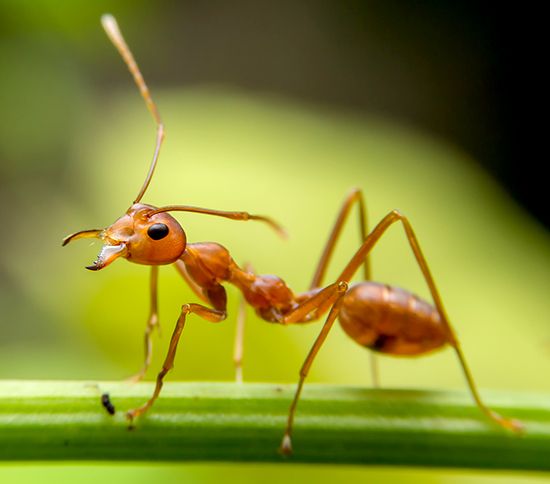
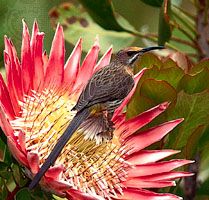
As part of the greater Cape floristic region, fynbos is remarkably diverse, hosting more than 8,500 plant species, the majority of which are endemic—meaning they are native nowhere else in the world. The vegetation is dominated by broad-leaved evergreen shrubs, particularly those in the Proteaceae family, alongside heathers and various herbaceous plants like irises, lilies, and orchids. These ecosystems have evolved complex relationships with local fauna, including nectar-eating birds like sunbirds and Cape sugarbirds, as well as ants that assist in seed dispersal.13
What are some other examples of Mediterranean-type biomes?
Mediterranean-type biomes, often referred to as Mediterranean vegetation, are characterized by dense scrubland composed of broad-leaved evergreen shrubs and small trees. These regions typically experience hot, dry summers and mild, wet winters, and are found between 30° and 40° latitude in both hemispheres.56
Beyond the fynbos of South Africa, other prominent examples of this biome include:
- Maquis: Found in the Mediterranean basin, this community consists of leathery, broad-leaved evergreen shrubs and small trees. Related communities in the region include garigue (or garrigue), which is often associated with poorer limestone soils.75
- Chaparral: Located in southwestern North America, particularly in California and northern Mexico, this biome is known for its high biodiversity and sclerophyll vegetation, which is adapted to reduce water loss.86
- Matorral: This term describes the scrubland vegetation found in central Chile.85
- Mallee: Found in southwestern Australia, this scrubland is dominated by shrub-form eucalyptus species.76
How do sunbirds and sugarbirds help pollinate fynbos plants?
In the fynbos ecosystem, sunbirds and the Cape sugarbird serve as vital pollinators, having coevolved with specific plants like the proteoids.15
These birds are attracted to flowers by their bright colors—particularly red—and their copious production of nectar, which provides the high-energy fuel necessary for their active metabolism. Unlike hummingbirds in the Americas, which often hover, these African birds typically require a landing platform or nearby perches to feed.216
The plants are structurally adapted to ensure pollination during these visits:
- Floral Design: The flowers are often erect and tubular with a wide opening, allowing the bird to probe for nectar.216
- Pollen Transfer: The stamens are often sturdy and positioned so that they protrude from the flower, brushing against the bird’s head or breast as it feeds.2
- Pollen Characteristics: The pollen is often sticky and clumped, ensuring that a significant amount adheres to the bird and is transferred to the next flower visited.216
Why is the Cape Floristic Region considered a unique botanical area?
The Cape Floristic Region is recognized by plant geographers as a distinct major floristic region due to its extraordinary botanical richness and high level of endemism.3
Key factors contributing to its uniqueness include:
- Exceptional Diversity: The region encompasses more than 8,500 plant species, a vast majority of which are native nowhere else on Earth.2
- Distinctive Genera: It contains over 1,500 plant genera, with 30 percent being endemic to the area.3
- Unique Ecosystems: The region is home to fynbos, a specialized scrubland community dominated by broad-leaved evergreen shrubs, particularly within the Proteaceae family.2
- Coevolutionary Relationships: The flora exhibits specialized relationships with local fauna, such as the coevolution between proteoids and nectar-eating birds like sunbirds and the Cape sugarbird, as well as unique seed dispersal mechanisms involving ants.2
Because of this high concentration of unique species, the region is considered a critical unit in global biogeography, standing apart from other major floristic divisions.3
Sources
- fynbos — Merriam-Webster
- Fynbos — Encyclopædia Britannica
- Floristic region — Encyclopædia Britannica
- biogeographic region - South African kingdom — Encyclopædia Britannica
- maquis — Encyclopædia Britannica
- Chaparral — Encyclopædia Britannica
- Mediterranean vegetation — Encyclopædia Britannica
- Scrubland - Environment — Encyclopædia Britannica
- Chile - Soils of Chile — Encyclopædia Britannica
- Australia - Vegetation — Encyclopædia Britannica
- Europe - Mediterranean climate — Encyclopædia Britannica
- Chile - Plant and animal life — Encyclopædia Britannica
- Mediterranean Sea - Climate — Encyclopædia Britannica
- Australia - Plant life — Encyclopædia Britannica
- pollination - Birds — Encyclopædia Britannica
- major types of pollinators - Birds — Encyclopædia Britannica
- orchid - Bird pollination — Encyclopædia Britannica
- nectary — Encyclopædia Britannica
Published on · 4 min read