Garden Route National Park
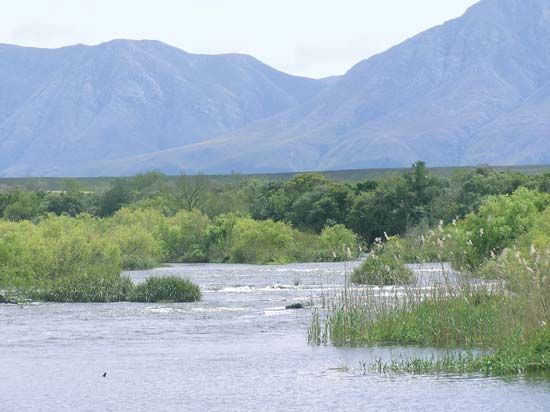
Garden Route National Park is a protected area in South Africa spanning the Eastern Cape and Western Cape provinces. Established in 2009, it covers over 450…
What is Garden Route National Park?
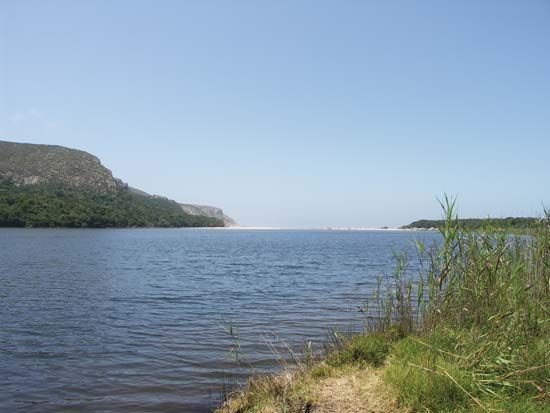
Garden Route National Park is a protected area in South Africa spanning the Eastern Cape and Western Cape provinces. Established in 2009, it covers over 450 square miles (1,200 square km) and incorporates the former Wilderness and Tsitsikamma national parks along with surrounding regions.1
The park features a dramatic Indian Ocean coastline characterized by cliffs reaching up to 600 feet (180 meters). Its diverse ecosystems include Afro-montane forests, fynbos, and various marine zones. Wildlife within the park includes ratels, caracals, and blue duikers, as well as rare bird species such as the turaco, the African black oystercatcher, and the trogon.1
What is the fynbos biome?
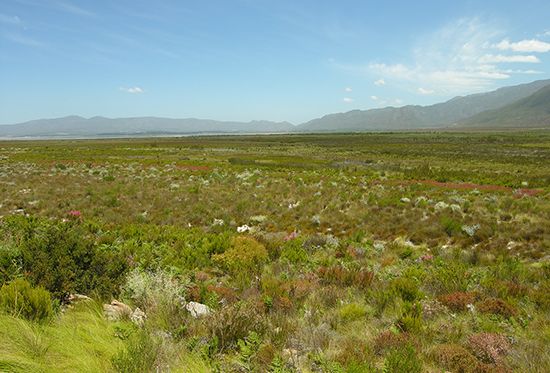
Fynbos is a scrubland plant community and biome located along a narrow strip of the extreme southern coast of South Africa. It is a key component of the Cape floristic region, which is recognized globally for its exceptional botanical diversity.234
Characteristics
The fynbos biome is defined by several distinct features:
- Plant Diversity: It contains more than 8,500 plant species, the majority of which are endemic, meaning they are native nowhere else in the world.23
- Vegetation: The landscape is dominated by broad-leaved evergreen shrubs, particularly from the Proteaceae family, such as Protea and Leucadendron. Other common families include heathers (Erica), irises, lilies, and orchids.23
- Environment: The region experiences a Mediterranean climate with cold, wet winters and hot, dry summers. The soil is typically acidic and nutrient-poor.23
Fynbos is ecologically linked to other Mediterranean-type vegetation biomes, such as North American chaparral and Australian mallee.2
What are some unique animals found in South Africa?
South Africa is home to a diverse array of wildlife, ranging from iconic large mammals to unique endemic species. Many of these animals are now primarily protected within the country’s extensive network of national parks and wildlife reserves.567
Notable Mammals
- Endemic and Specialized Species: South Africa hosts the aardvark, a unique nocturnal burrowing mammal, and the spring hare, a member of an endemic rodent family. The Cape fur seal is also a notable marine mammal found along the coast.8
- Antelope: The region features a wide variety of antelope, including the eland (the world’s largest antelope), kudu, springbok, klipspringer, and the endangered bontebok.68
- Large Herbivores and Predators: Iconic species such as the African elephant, giraffe, hippopotamus, and both the black rhinoceros and white rhinoceros are significant, alongside predators like lions, leopards, and cheetahs.5687
Other Unique Fauna
- Marine Life: The coelacanth—an ancient fish once thought to be extinct for millions of years—was famously rediscovered off the South African coast in 1938.9
- Birds: The country boasts over 800 bird species, including the bearded vulture, the bald ibis, and the black eagle.5
How do national parks help protect endangered species?
National parks play a critical role in protecting endangered species by serving as sanctuaries that preserve natural environments and biodiversity. Their effectiveness in conservation relies on several key strategies:1112
- Habitat Protection and Management: Parks provide large, protected areas necessary to house viable populations of vulnerable species. Management often involves restoring natural ecological processes, such as fire or flooding regimes, and removing invasive species that threaten native wildlife.131412
- Regulated Human Interaction: To balance public interest with conservation, parks often limit visitor access to specific areas, minimizing human disturbance to wildlife.11
- Transfrontier Cooperation: In regions like Southern Africa, countries create transfrontier parks that link protected areas across borders. This allows for larger, continuous habitats and facilitates the natural movement of migratory animal populations.15
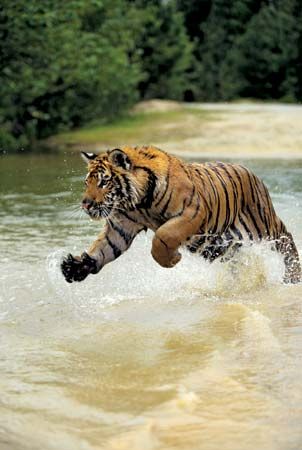
- Targeted Recovery Programs: Many parks implement specific initiatives, such as Project Tiger in India, which have successfully contributed to the recovery of endangered populations through dedicated protection and monitoring.16
Sources
- Garden Route National Park — Encyclopædia Britannica
- Fynbos — Encyclopædia Britannica
- fynbos — Merriam-Webster
- Floristic region — Encyclopædia Britannica
- South Africa - Flora and fauna — Encyclopædia Britannica
- South Africa - Conservation of South Africa — Encyclopædia Britannica
- Africa - Mammals — Encyclopædia Britannica
- Africa - Aquatic life — Encyclopædia Britannica
- veld - Animal life — Encyclopædia Britannica
- black rhinoceros — Encyclopædia Britannica
- national park — Encyclopædia Britannica
- conservation - Habitat management — Encyclopædia Britannica
- conservation - Preventing the loss of biodiversity — Encyclopædia Britannica
- Everglades National Park — Encyclopædia Britannica
- Africa - Conservation of Africa — Encyclopædia Britannica
- Environment and sustainable development in India - Wildlife — Encyclopædia Britannica
Published on · 3 min read