Asparagus
The genus Asparagus, part of the Asparagaceae family, includes up to 300 species ranging from Siberia to southern Africa. These plants exhibit several…
What are the main characteristics of plants in the Asparagus genus?
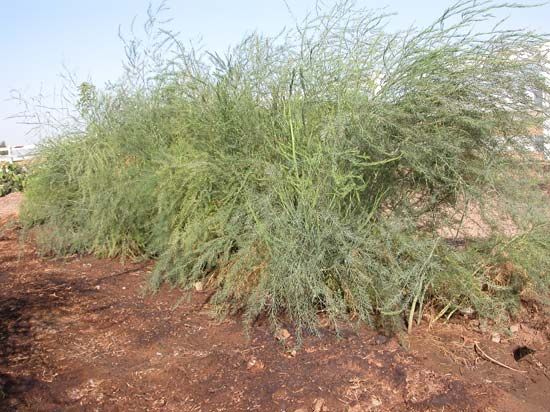
The genus Asparagus, part of the Asparagaceae family, includes up to 300 species ranging from Siberia to southern Africa. These plants exhibit several distinct characteristics:
- Growth Habit: Species can be erect or climbing, and most are more or less woody. They possess rhizomelike or tuberous roots.1
- Foliage: True leaves are reduced to small scales. The plants are characterized by the presence of cladodes, which are leaflike organs found in the axils of the true leaves, often giving rise to fernlike branchlets.1
- Reproduction: Many species are dioecious, meaning individual plants are either male or female. They produce small, greenish-yellow flowers in the spring, which are followed by red berries in the fall.1
- Diversity: While the garden asparagus (Asparagus officinalis) is a well-known vegetable, other species are grown as ornamentals for their lacy, feathery foliage, such as the florist’s fern (A. setaceus) and asparagus fern (A. densiflorus).1
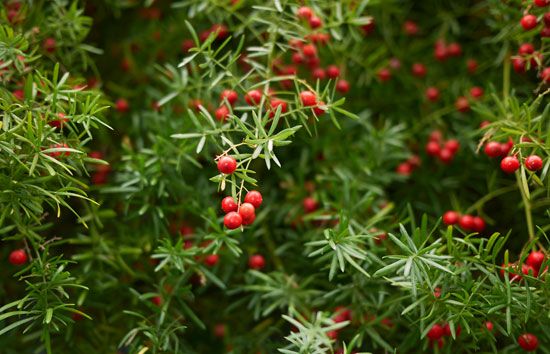
How many species are included in the Asparagus genus, and where are they primarily found?
The genus Asparagus comprises up to 300 species. These plants are native to a broad geographic range extending from Siberia to southern Africa.1
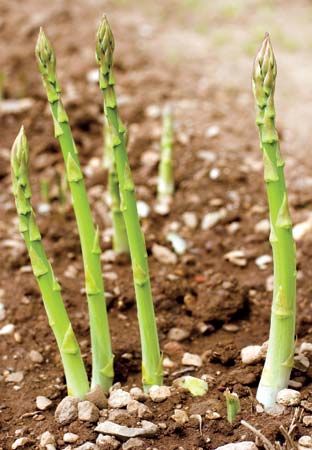
How does the cultivation of asparagus differ from other common vegetables?
The cultivation of asparagus differs from many other common vegetables primarily due to its nature as a perennial crop, meaning it lives for more than two years and does not require annual replanting. While most vegetable crops are planted directly in the field or started as transplants to reach maturity in a single season, asparagus is typically started in a seedbed to produce “crowns,” which are then set in the field.41
Key differences in its cultivation include:
- Longevity and Productivity: With proper care, an asparagus plantation can remain productive for 10 to 15 years or longer. Unlike annuals that divert energy into seed production, asparagus requires a rest period and will not thrive in climates where it grows continuously throughout the year.54
- Harvesting: The cutting season for asparagus is relatively short, lasting between 2 and 12 weeks depending on the age of the plantation and the climate. Like many other vegetables, it is still harvested largely by hand due to the nature of the crop.56
- Soil Requirements: Asparagus thrives in deep, loose, light clays or sandy loams and is notably tolerant of soil salinity levels that would be unsuitable for many other crops, though it does require the avoidance of acidic soils.5
What is the asparagus plant genus?
The asparagus plant belongs to the genus Asparagus, which is part of the family Asparagaceae. This genus includes up to 300 species that are native to regions ranging from Siberia to southern Africa.1
Members of this genus are characterized by their rhizomelike or tuberous roots and the presence of cladodes—leaflike organs found in the axils of their true leaves, which are reduced to small scales. While the most well-known member is the garden asparagus (Asparagus officinalis), which is cultivated as a vegetable, several other species are grown as ornamental plants for their delicate, fernlike foliage.1
Sources
- Asparagus — Encyclopædia Britannica
- Asparagales - Organization and taxonomy — Encyclopædia Britannica
- Asparagales - Flowers — Encyclopædia Britannica
- Perennial agriculture — Encyclopædia Britannica
- Vegetable farming - Planting — Encyclopædia Britannica
- Agricultural technology - Harvesting machinery — Encyclopædia Britannica
Published on · 3 min read