Carnarvon Gorge
Carnarvon Gorge is a spectacular natural feature located on the eastern slopes of the Carnarvon Range within the Great Dividing Range in southeastern…
What is Carnarvon Gorge?
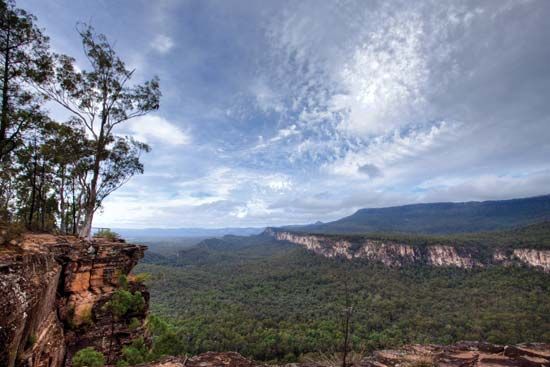
Carnarvon Gorge is a spectacular natural feature located on the eastern slopes of the Carnarvon Range within the Great Dividing Range in southeastern Queensland, Australia.12
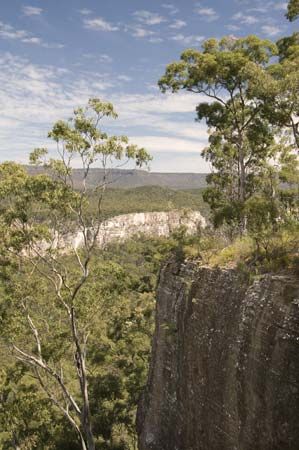
Often referred to as the “Grand Canyon of Queensland,” the gorge stretches approximately 20 miles (32 km) in length. It is defined by dramatic vertical sandstone walls that rise up to 600 feet (180 m) high. In certain areas, intense erosion has undercut the sandstone to such an extent that the sky is obscured from the canyon floor.1
The gorge serves as the centerpiece of Carnarvon National Park, which was established in 1932. The park is renowned for its diverse ecosystems, unique wildlife, and significant cultural heritage, including caves featuring Aboriginal art.12
What kind of Aboriginal art is found in the gorge?
The provided search results confirm that Carnarvon National Park contains caves featuring Aboriginal art, but they do not provide specific details regarding the particular styles or subjects of the art found within the gorge itself.
Generally, Australian Aboriginal rock art across the continent includes diverse forms such as:
- Handprints: Often created using stenciling techniques.
- Figurative imagery: Depictions of humans, animals, and spirit figures.
- Narrative art: Images that convey stories regarding the creation of the earth and its people.
- Engravings: Known as petroglyphs, which can include geometric designs and silhouettes.3
While these styles are prevalent in various Australian sites, the specific artistic record within Carnarvon Gorge remains distinct from the northern X-ray style or the extensive engravings found on the Burrup Peninsula.3
How was the sandstone gorge formed by erosion?
The formation of Carnarvon Gorge is primarily the result of long-term erosion acting upon the sandstone layers of the Carnarvon Range. Over vast periods, water flowing through the landscape has carved deep channels into the rock, gradually deepening and widening the canyon.12
This process has been particularly effective due to the nature of the sandstone, which is susceptible to being undercut by water action. In certain sections of the gorge, this erosion has been so intense that the base of the sandstone walls has been worn away more rapidly than the upper sections, creating dramatic, overhanging cliffs that can obscure the view of the sky from the canyon floor.1
While the provided information highlights the role of erosion in shaping these vertical walls, the specific geological mechanisms—such as the influence of local river systems or tectonic uplift—are not detailed in the current knowledge base.12
What unique plants and animals live in Carnarvon National Park?
Carnarvon National Park is recognized for its highly diverse plant and wildlife populations, which thrive within the unique environment of the Carnarvon Range.12
While the provided search results confirm that the park is home to a wide variety of flora and fauna, they do not list specific species names or unique biological classifications for the plants and animals found there. The park’s varied terrain, ranging from deep, sheltered gorges to elevated plateau sections, creates a range of microclimates that support this ecological diversity.12
Sources
- Carnarvon Gorge — Encyclopædia Britannica
- Carnarvon Range — Encyclopædia Britannica
- Rock art - Australia — Encyclopædia Britannica
Published on · 2 min read