Cerdanya
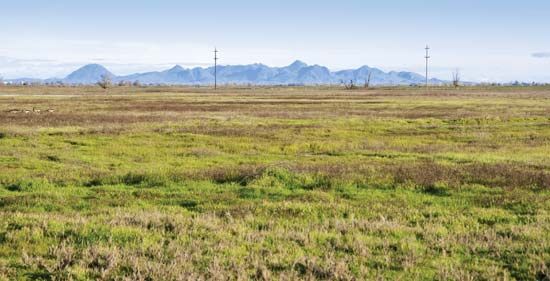
The Cerdanya is a high valley situated within the Pyrenees mountains, located east of Andorra. Geographically, the region is divided between Spain (Girona…
What are the main geographical features of the Cerdanya valley?
The Cerdanya is a high valley situated within the Pyrenees mountains, located east of Andorra. Geographically, the region is divided between Spain (Girona province) and France (Pyrénées-Orientales and Ariège departments).1
Key features of the valley include:
- Hydrology: The valley is drained by the upper Sègre River.1
- Climate: Due to its high elevation, the region experiences a cool climate for most of the year, with notably cold winters.1
- Political Geography: The area contains the Spanish enclave of Llivia, which is located within the French portion of the valley.1
The region has historically been significant for its natural resources, with zinc mining dating back to ancient times, while its mountainous terrain currently supports a major ski-resort industry.1
What is the climate like in the Cerdanya valley?
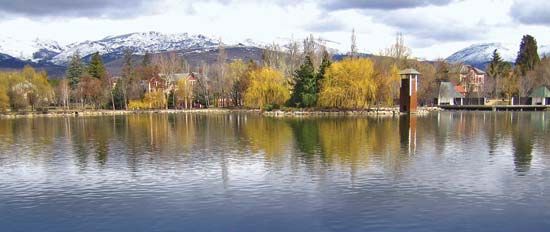
The climate of the Cerdanya valley is primarily defined by its high elevation within the Pyrenees mountains. Due to this altitude, the region remains cool for most of the year and experiences quite cold conditions during the winter months.1
While the broader region of northern Catalonia is generally characterized by a temperate, humid, or maritime climate, the mountainous relief of the Cerdanya creates distinct local conditions. The valley’s high-altitude environment contrasts with the more temperate weather found in lower-lying areas of Catalonia, contributing to its status as a major ski-resort area.21
What are the primary economic activities in the Cerdanya region?
The economy of the Cerdanya valley has evolved from a traditional reliance on primary sectors to a modern focus on the service industry. Key economic activities include:
- Tourism and Services: The service sector has grown significantly in importance, as the valley is a major ski-resort area. This aligns with the broader trend across the Pyrenees, where tourism—driven by winter sports, summer sojourns, and outdoor recreation—has become a vital economic pillar.13
- Livestock Breeding: Cattle breeding remains a traditional and essential economic activity in the region. This is consistent with the historical dependence on livestock raising throughout the Pyrenees, which involves utilizing valley meadows and higher-altitude pastures.13
- Mining: The region has a long history of mining, with zinc extraction dating back to ancient times.1
While traditional agriculture and small-scale industry have faced challenges across the Pyrenean range, the Cerdanya has successfully leveraged its natural landscape to support its current economic focus.13
How has the unique location of Cerdanya influenced its history and culture?
The unique location of the Cerdanya, a high valley nestled in the Pyrenees, has profoundly shaped its political and cultural history. Its position as a cross-border region has led to it being divided between Spain and France, a legacy solidified by the 1659 treaty that ceded 33 communities to France while leaving the Spanish enclave of Llivia isolated within French territory.1
This geography also dictated the region’s administrative evolution. Llivia served as the capital during the Roman era, but the seat of power shifted to Hix in the 12th century before eventually centering on Puigcerdà. The valley’s high elevation and rugged terrain have historically fostered a culture rooted in livestock breeding and ancient mining traditions, while its climate has transformed it into a modern hub for tourism and winter sports.1
Sources
- Cerdanya — Encyclopædia Britannica
- Spain - Climate of Spain — Encyclopædia Britannica
- Pyrenees - People and economy — Encyclopædia Britannica
- Midi-Pyrénées — Encyclopædia Britannica
Published on · 2 min read