Cascade-Siskiyou National Monument
The Cascade-Siskiyou National Monument is a biologically diverse region where the Cascade Range and the Siskiyou and Klamath mountains converge. This unique…
What are the main ecosystems and habitats found within the Cascade-Siskiyou National Monument?
The Cascade-Siskiyou National Monument is a biologically diverse region where the Cascade Range and the Siskiyou and Klamath mountains converge. This unique intersection of ecological regions supports a wide variety of habitats, including:
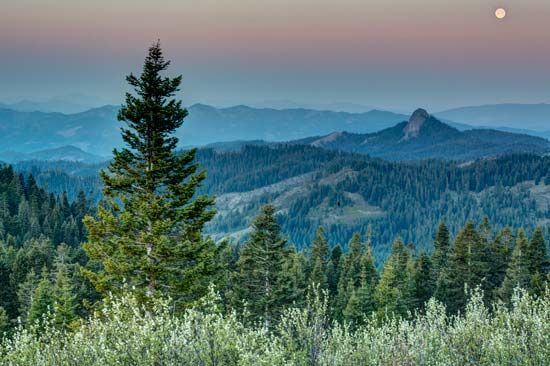
- Forests: The monument preserves old-growth Douglas fir forests, as well as diverse coniferous forest and mixed conifer stands.
- Woodlands and Shrublands: The landscape features oak woodlands, chaparral, and various grass- and shrublands.
- Open Areas: The area includes wildflower meadows and specific reserves dedicated to the protection of the mariposa lily.
- Riparian Zones: The monument also contains riparian forests, which are essential for supporting its diverse wildlife, including spotted owls, peregrine falcons, elk, and black-tailed deer.1
What notable plant and animal species can be found in the Cascade-Siskiyou National Monument?
The Cascade-Siskiyou National Monument is a region of high biological diversity where species from both sides of the Cascade Range converge. The area is home to a wide array of plant and animal life, including several notable species:
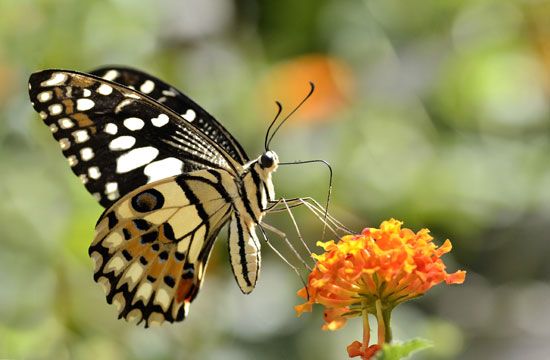
- Wildlife: The monument is particularly characterized by a diverse population of butterflies and freshwater snails. Larger animals found in the region include spotted owls, peregrine falcons, elk, and black-tailed deer.1
- Flora: The landscape preserves old-growth Douglas fir forests. Additionally, specific reserves have been established to protect the mariposa lily and to facilitate the scientific study of various plant communities.1
The convergence of the Cascade, Siskiyou, and Klamath mountains creates a unique environment that supports these varied species across habitats ranging from oak woodlands and chaparral to wildflower meadows.1
Where is the Cascade-Siskiyou National Monument located, and what makes its geography unique?
The Cascade-Siskiyou National Monument is located in southwestern Oregon, southeast of Ashland and directly along the border with California. Established in 2000, the monument covers nearly 83 square miles (215 square km).
The geography of the site is unique because it serves as a convergence point for three distinct mountain systems: the Cascade Range, the Siskiyou Mountains, and the Klamath Mountains. This intersection creates a highly diverse ecological region where plant and animal species from both sides of the Cascades meet.
The landscape is defined by a ridge of diverse coniferous forest anchored by two prominent landmarks:
- Soda Mountain: A 6,091-foot (1,857-metre) peak.
- Pilot Rock: A 5,908-foot (1,801-metre) basalt plug, which is the remnant of an eroded volcano.
Because of this geological and biological intersection, the monument supports a wide variety of habitats, ranging from old-growth Douglas fir forests to oak woodlands, chaparral, and wildflower meadows.
What role does the Cascade-Siskiyou National Monument play in protecting migratory species?
The provided search results do not contain information regarding the specific role the Cascade-Siskiyou National Monument plays in protecting migratory species. While the monument is noted for its high biological diversity and the presence of various animal species, the available documentation does not explicitly detail its function as a corridor or habitat for migratory wildlife.1
Sources
- Cascade-Siskiyou National Monument — Encyclopædia Britannica
- Pacific mountain system - Physiography — Encyclopædia Britannica
- Coast Ranges — Encyclopædia Britannica
Published on · 2 min read