Butterfly
Butterflies are members of the insect order Lepidoptera and are distinguished from other insects, particularly their close relatives the moths, by several…
What are the main characteristics that distinguish butterflies from other insects?
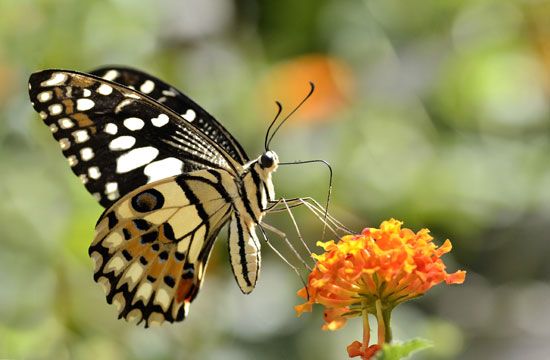
Butterflies are members of the insect order Lepidoptera and are distinguished from other insects, particularly their close relatives the moths, by several key physical and behavioral characteristics:
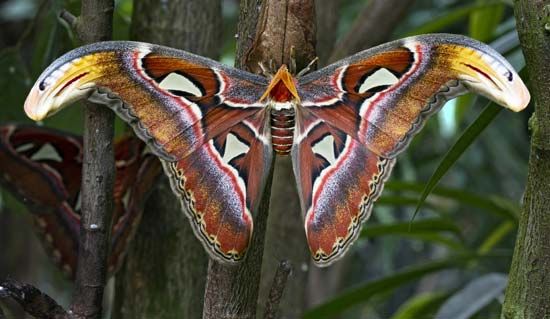
- Antennae: A primary identifying feature of butterflies is their simple, club-tipped antennae, which contrast with the often thick or feathery antennae found on most moths.12
- Resting Posture: When at rest, butterflies typically hold their wings vertically over their backs, whereas moths generally fold their wings tentlike over their bodies or hold them extended at their sides.12
- Activity Patterns: Butterflies are generally diurnal (active during the day), while most moths are nocturnal.12
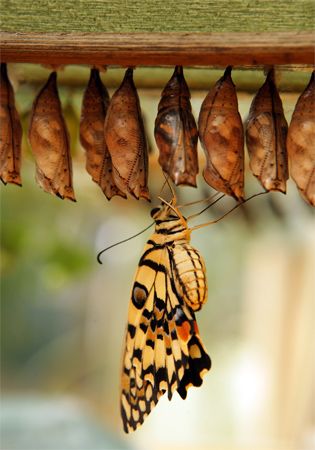
- Metamorphosis: During their metamorphosis, butterflies form a chrysalis from their own bodies, unlike most moths, which construct fibrous cocoons.12
- Appearance: Butterflies are often brightly colored or strikingly patterned, and they typically possess slimmer, more dainty bodies compared to the generally stout and fuzzy bodies of moths.12
Like other lepidopterans, their wings, bodies, and legs are covered in delicate, dustlike scales that can easily rub off.12
How are climate change and habitat loss affecting butterfly populations globally?
Global butterfly populations are facing significant declines due to the combined pressures of habitat loss and anthropogenic climate change. These factors, often compounded by pesticide use, have led to dramatic population drops globally, with some studies indicating a 22 percent decrease in total butterfly abundance in the United States between 2000 and 2020.4
Impact of Habitat Loss
Habitat loss—driven by land development, deforestation, and the removal of essential host plants—directly threatens butterfly survival. For example, the loss of milkweed due to herbicide use and land conversion has jeopardized the monarch butterfly. When butterflies are restricted to isolated habitat patches, they may be unable to reach new, suitable areas, limiting their ability to adapt to changing conditions.2456
Impact of Climate Change
Climate change acts as an existential threat by altering the environmental conditions butterflies rely on:56
- Phenological Mismatches: Changes in temperature can trigger early migrations or life-cycle events before essential nectar sources or host plants are available.56
- Range Shifts: While some species may expand their ranges toward cooler regions or higher elevations, others—particularly those on mountaintops—have nowhere to go as their habitats become too warm.6
- Extreme Weather: Increased frequency of drought and wildfires destroys critical breeding and overwintering grounds, while extreme weather events can kill butterflies directly.56
What are some of the most common and rare butterfly species around the world?
Butterfly populations vary significantly in their abundance and conservation status. While some species are widespread and familiar, others are rare and face a high risk of extinction due to habitat loss and environmental fluctuations.27
Common Butterfly Groups
Many of the most recognizable butterflies belong to the family Nymphalidae (brush-footed butterflies), which is the largest and most diverse family. Common examples include:2
- Monarchs (Danaus plexippus): Famous for their extensive annual migrations across North America.28
- Painted Ladies: Widely distributed and known for their migratory behavior.2
- Admirals and Fritillaries: Popular species frequently observed in various habitats.2
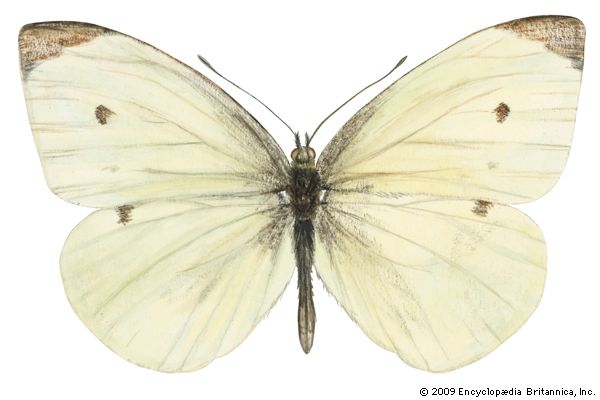
- Whites and Sulfurs (Family Pieridae): Known for their mass migrations and common presence in many regions.2
Rare and Threatened Species
Rare butterflies often exist in isolated, relict populations or have highly specialized habitat requirements, making them vulnerable to extinction.47
- Bay Checkerspot Butterfly (Euphydryas editha bayensis): Once studied extensively in California, this species illustrates how isolated, small populations can decline rapidly due to habitat loss and natural fluctuations.7
- Karner Blue Butterfly (Lycaeides melissa samuelis): Listed as endangered in the United States, this species has suffered from habitat fragmentation and the loss of specific host plants like wild lupine.9
- Small Population Species: In the United States alone, dozens of species are estimated to have fewer than 10,000 individuals, leaving them with little resilience against environmental changes.7
How do butterflies undergo metamorphosis, and what are the stages involved?
Butterflies undergo a process known as holometabolous (complete) metamorphosis, a life cycle consisting of four distinct stages: egg, larva, pupa, and adult.10
The Four Stages
- Egg: The life cycle begins when an adult female lays eggs, often on a specific host plant that will serve as food for the emerging larva.11
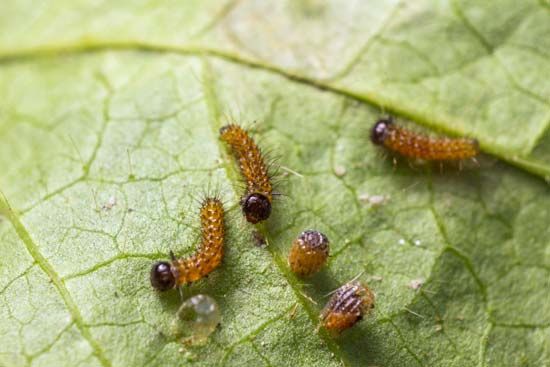
- Larva: Commonly known as a caterpillar, this stage is primarily focused on growth and development. The larva is wingless and differs significantly from the adult in form and habits. As it grows, it undergoes several molts, shedding its outer skeleton to accommodate its increasing size.1011
- Pupa: Once fully grown, the larva enters the pupal stage, a period of transformation. For most butterflies, this involves forming a chrysalis, a protective casing where larval tissues break down and are rebuilt into adult structures, such as wings.10312
- Adult: The mature butterfly emerges from the pupal casing. After spending time drying its wings, the adult is capable of flight and reproduction, completing the cycle.1112
Sources
- What’s the difference between moths and butterflies? — Encyclopædia Britannica
- butterfly — Encyclopædia Britannica
- Monarch butterfly - Life cycle — Encyclopædia Britannica
- Monarch butterfly: Top Questions — Encyclopædia Britannica
- Monarch butterfly - Threats — Encyclopædia Britannica
- conservation - Global warming — Encyclopædia Britannica
- Lepidoptera - Size range and distribution — Encyclopædia Britannica
- conservation - Surviving but threatened small populations — Encyclopædia Britannica
- blue butterfly — Encyclopædia Britannica
- Metamorphosis — Encyclopædia Britannica
- Lepidoptera - Pupa , or chrysalis — Encyclopædia Britannica
- pupa — Encyclopædia Britannica
Published on · 4 min read